 EN — English
 TR — Türkçe
 DE — Deutsch
 RU — Русский
 FR — Français
 ES — Español
 AR — العربية
 SR — Српски
NEWS & BLOG
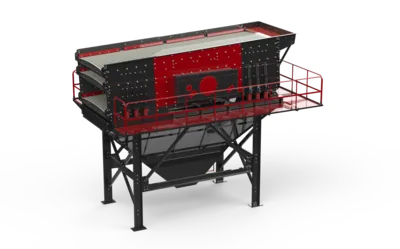
Crushing screening plant noise exposure management
Noise is managed through exposure normalised to eight hours, not through an instantaneous reading. Once an action value is crossed, handing out earmuffs does not close the duty: control at source comes first, organisation second, personal protection last.
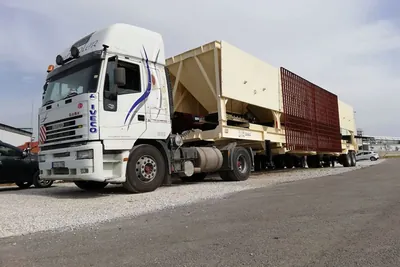
Mobile vs stationary plant ROI comparison
Purchase price on its own settles nothing. Once reserve life, relocations per year and the repeat cost of foundations and erection sit in one present-value table, the gap between a mobile and a stationary plant can change direction within a few years.
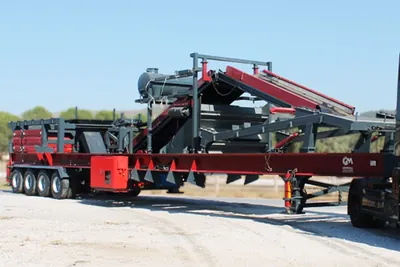
How to plan crushing plant lead time and shipment realistically
Lead time is not one number but the sum of four blocks that wait on each other: configuration freeze, manufacturing, site preparation and transport. Road gauge limits and customs paperwork are the two items buyers underestimate most often.
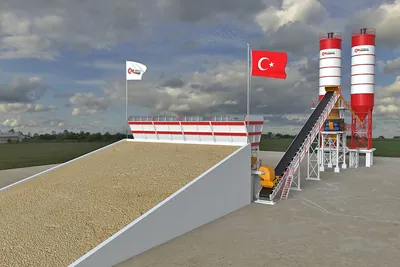
Plant Mix Road Base Gradation Compliance
Plant mix base material is rejected far more often for uncontrolled blend ratios and moisture than for anything the machinery did. This article walks through the test methods behind the sieve curve, where deviation from the approved mix formula is caught, and which three records a shift must keep before compaction begins.
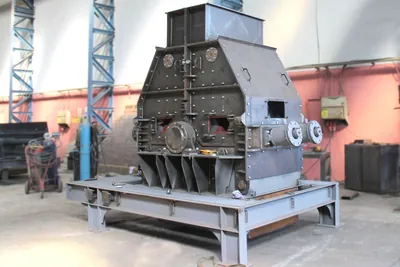
Manganese Steel Alloy Selection for Crusher Liners
Two different manganese alloys bolted into the same frame will not last the same number of tonnes. This article matches work-hardening rate to feed hardness and impact energy, and shows in a table that the price of a harder surface is brittleness.
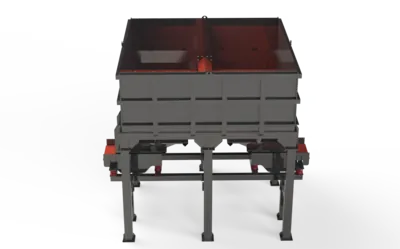
Choke Feeding Crusher Productivity
With the chamber kept full, rock breaks against rock: product turns cubical, liner wear spreads around the circumference and power draw flattens. Starved feed distorts shape and concentrates wear. Holding the level is a feeder and sensor job, not a wish.
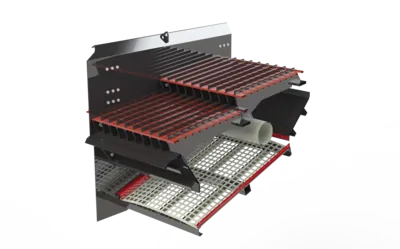
Screen efficiency and screen area sizing
A screen is not chosen from a catalogue. First the efficiency of the existing deck is measured with a sieve analysis, then the required area is derived from basic capacity and correction factors. This article puts the two-product formula, the sizing factors and the bed-depth limit in one place.
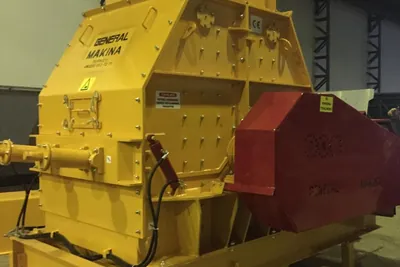
Crushing plant environmental noise limits and barriers
Noise limits apply at the nearest sensitive building, not at the machine; a point source loses six decibels each time distance doubles, and a barrier only works once it breaks the line of sight.
Respirable Crystalline Silica Exposure Crushing Plant Guide
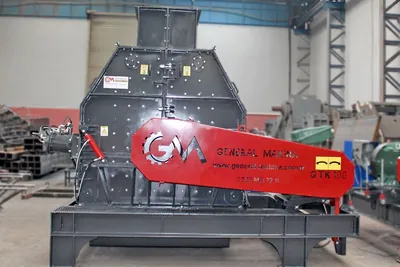
The dangerous part of quarry dust is not the visible cloud but the fine fraction that reaches the alveoli. Limits, personal sampling with a cyclone, engineering controls, respirator classes and health surveillance, set out in one place.
Crusher Total Cost of Ownership
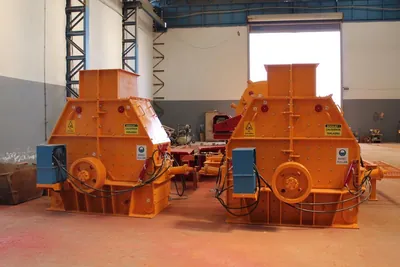
Purchase price is a small share of what a crusher will cost you over its life. This article builds the skeleton of a ten-year ownership model: which line items belong in it, which record feeds each one, and which assumptions the cost per tonne is genuinely sensitive to.
Letter of credit for crushing plant purchase
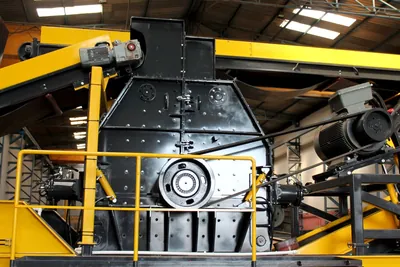
On a crushing and screening order the payment instrument decides how non-delivery, non-payment and delay risk is split between the two sides. This guide compares irrevocable and confirmed credits, documents against payment and the advance payment guarantee, and lists the documents that belong in the credit text.
Rebar Separation When Crushing Reinforced Concrete
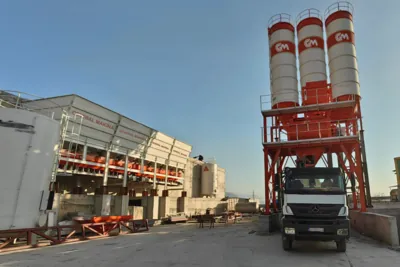
Steel embedded in demolition concrete is the single most expensive contaminant a recycling line handles: it wraps the rotor, wedges the chamber and breaks wear parts. This article sets out where the steel is taken out, with which equipment, and in what order, so the machine is protected and the scrap becomes revenue.
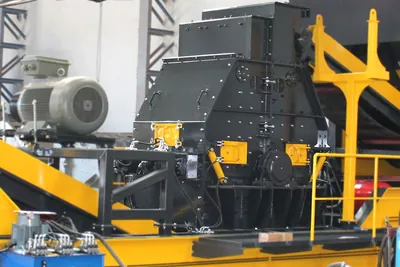
Wear Part Life Tracking Method
Life is counted in tonnes passed, not in days. Thickness readings from fixed points, weighing at fitting and removal, a wear rate per tonne and the remaining allowance divided by that rate give a change window you can plan around.
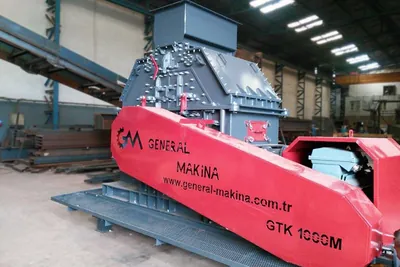
Shift production report crushing plant
What gets written at the end of the shift decides what can be improved next quarter. Here is the field structure, the downtime code set, the tonnage reconciliation and the weekly review that makes the record pay for itself.
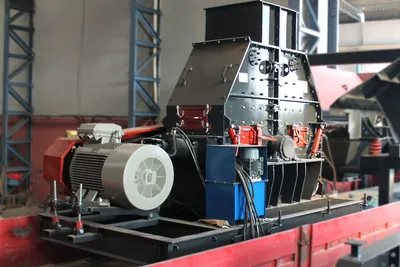
Closed Circuit Circulating Load Crushing: Sizing the Real Feed
In a closed circuit the crusher always sees more tonnage than the plant produces, and the difference is the returning oversize. This article shows how that multiplier is calculated, how screen efficiency inflates it, and why a tertiary machine has to be selected on total feed rather than on fresh feed.
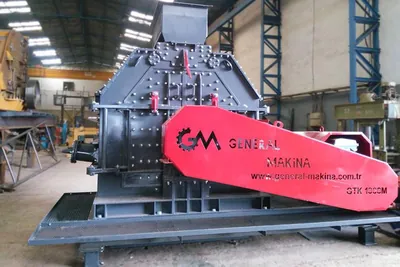
Baghouse jet pulse dust collector selection for crushing plants
Dry dust extraction is decided by three numbers: the air volume to be drawn, the filter area it passes through, and the ratio between them. For mineral dust that ratio sits in a narrow band, and pushing past it costs bag life and stable pressure drop. This article sets out the band and the hood geometry that feeds it.
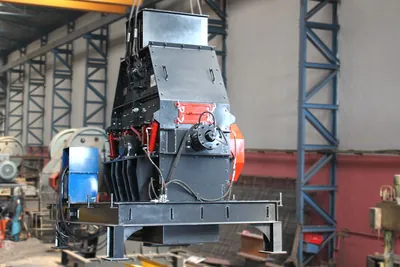
Crusher emergency stop pull cord system
A pull cord breaks the hazard chain in one movement, but it only works if the rope reaches every point, slack is detected and resetting never restarts the machine. An untested chain protects nobody.
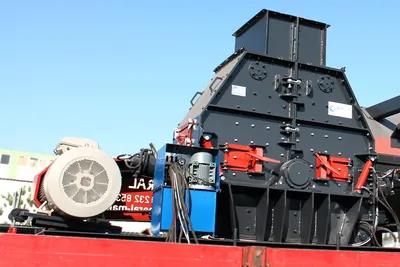
Aggregate production cost per ton
Cost per ton is not one figure but the sum of six components. This piece shows what data measures each one, how often it is read, and why the denominator must be saleable tonnage rather than rated capacity.
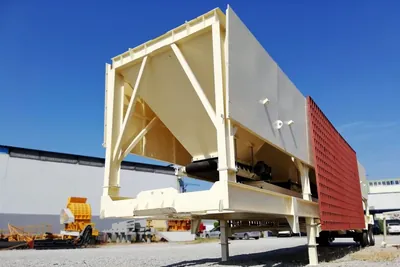
Incoterms for crushing equipment export FOB vs CIF
A delivery term is not a price line; it states where risk changes hands. An out-of-gauge crusher body and a container of wear parts will not tolerate the same rule, so the choice follows cargo type and which side actually controls the freight.
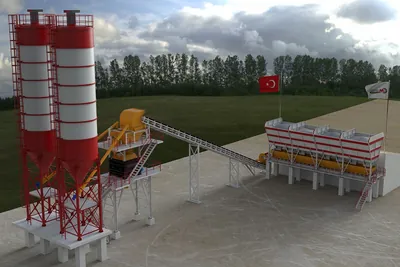
On-site concrete demolition crushing workflow
Demolition concrete processed where it falls avoids paying twice: once to haul it away and once to buy fill. A workflow that pins pre-sorting, feeding, crushing, screening and stockpiling to shift hours turns a rubble pile into measured tonnes by close of day.
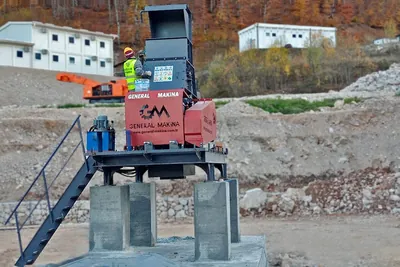
Crushing plant vibration analysis as the base of predictive maintenance
Vibration measurement is the only practical way to tell imbalance, misalignment, a loose anchor bolt and bearing damage apart on a crushing circuit. An overall reading alone will not do it; without a spectrum read against shaft speed, an alarm is just a number.
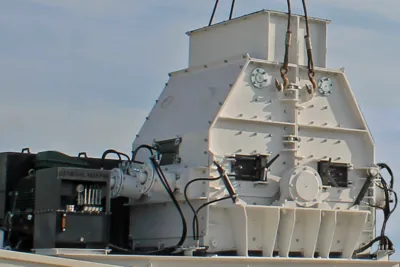
Cost Per Ton Crushing Breakdown
Cost per ton in a crushing and screening plant never arrives as a single invoice. It is assembled from five separate items that must be reduced to the same production period. This article separates fixed from variable behaviour, names the record each item comes from, and shows how to verify the tonnage that goes in the denominator.
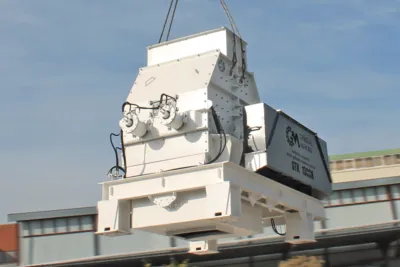
Crushing Circuit Mass Balance
Feed tonnage splits at the screen, oversize returns to the crusher and the rest reports to stockpiles. This article derives every stream in tonnes per hour from a 200 t/h feed and ties belt width and stockpile area to that table.
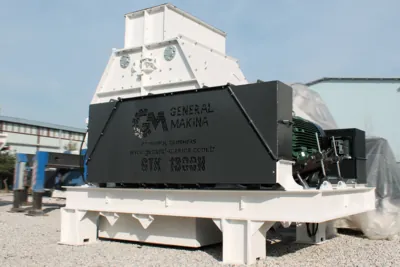
Fog Cannon vs Water Spray Dust Suppression
Capture probability rises as droplet size approaches the size of the dust being targeted. A fan-driven cannon covers open areas, a nozzle line suppresses dust at the source with far less water, and winter drainage decides which one survives on your site.