 EN — English
 TR — Türkçe
 DE — Deutsch
 RU — Русский
 FR — Français
 ES — Español
 AR — العربية
 SR — Српски

NEWS & BLOG
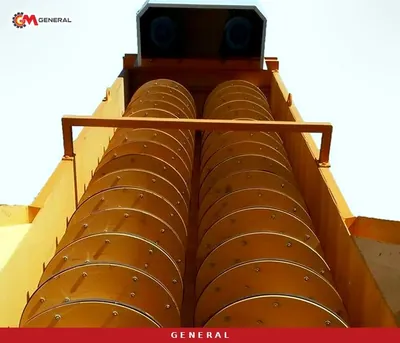
Closed circuit water recycling for wash plant
In a washing plant water is not consumed but circulated: the loss comes only from product moisture, water held in the sludge, evaporation and seepage. This article sets out the parts of the circuit, the difference between a settling pond and a thickener, and the water balance that fixes the make-up rate.
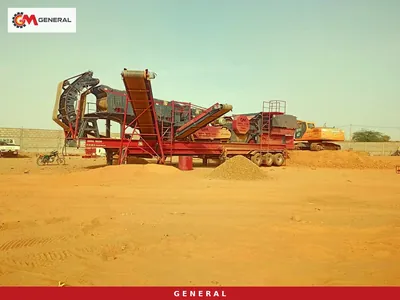
Crusher CE Marking Machinery Safety Technical File
CE marking is not a quality award but the manufacturer's declaration of legal compliance. Behind it sit a risk assessment, a technical file, a declaration of conformity and instructions in the user's language, and those records are kept for at least ten years after the machine is placed on the market.
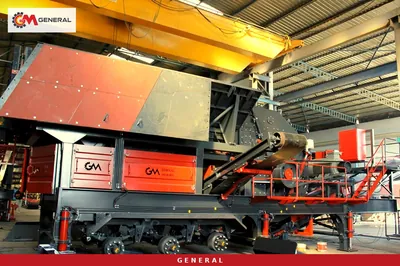
Used crusher plant investment risk
The cheap part of a used plant is the purchase; the expensive part is five years of parts, downtime and yield difference. This guide turns the decision into countable line items.
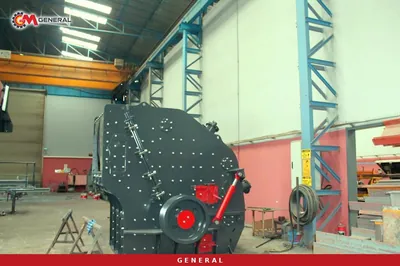
Crushing Plant Critical Spare Parts Stock and Reorder Point
Holding a part costs money and not holding it costs money; the real question is how many of which item, at what consumption rate and what lead time. This article covers criticality classification, the reorder point calculation and how the chosen service level sets safety stock, using a worked example.
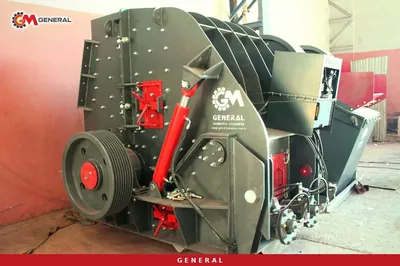
Rent or buy a crusher for a short-term project?
One number settles this: utilisation, meaning how many of the available working days the machine will genuinely run. Below the threshold, ownership fixed costs spread across too few hours and the cost per tonne climbs. This article builds the break-even from project duration and tonnage.
Conveyor belt maintenance and tracking
When a belt drifts, the first place to look is the structure, not the nearest idler. First contact rule, small adjustments, three revolutions and a written record are what separate training from chasing.
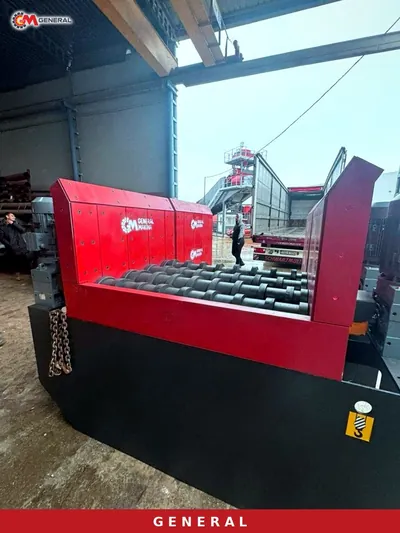
Circulating load closed circuit crushing
In a closed circuit the oversize returning from the screen is the crusher's invisible load. This piece covers how the ratio is measured, how it ties to screen efficiency, and how excess recirculation eats saleable capacity.
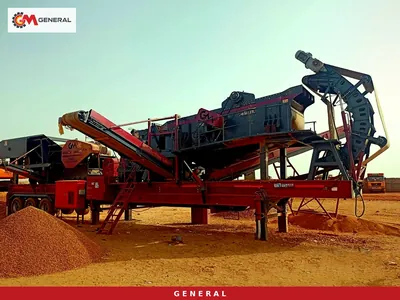
Aggregate specification and grading criteria
A customer specification asks four independent questions at once: size distribution, particle shape, resistance to fragmentation and fines content. Three of them are answered by plant configuration, one by the quarry face itself.
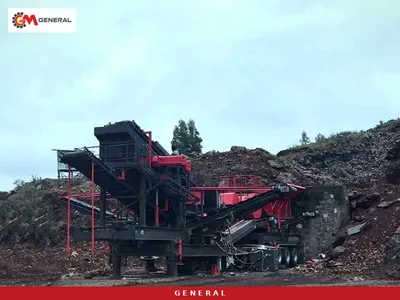
Respirable crystalline silica exposure monitoring program
Visible dust and respirable dust are not the same thing. What has to be measured at crushing, screening and transfer points is the quartz-bearing respirable fraction, and in several jurisdictions the limit is not a fixed number but a calculation driven by the crystalline content.
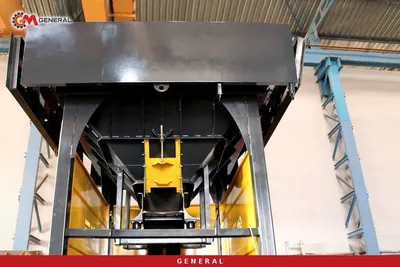
Bin and silo confined space entry safety: before anyone breaks the bridge
Entering a bin with a material bridge is lethal; a collapsing arch buries a person in seconds. The rule is short: clear blockages from outside, and enter only under a written permit, with gas monitoring and an attendant posted.
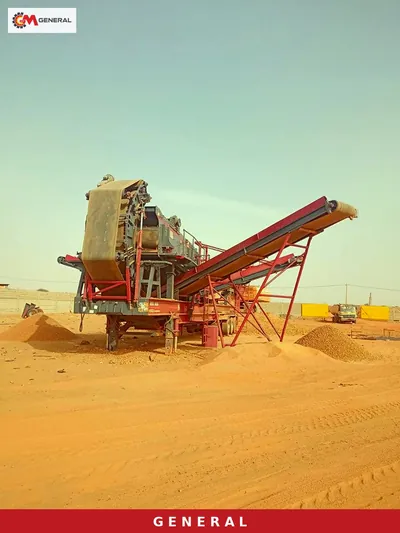
Crusher Plant Financing and Leasing
Buy the same crushing plant for cash, on a loan, under a lease or through a documentary credit and the headline price barely moves, while the cash timing, the balance sheet and the collateral burden behave completely differently. This article compares the four routes and shows which one squeezes an operation and when.
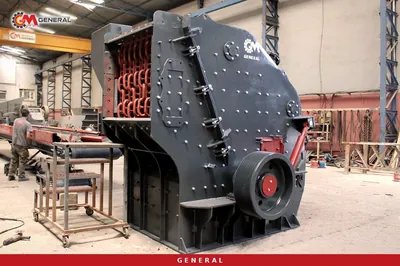
Crusher Warranty Coverage and Wear Parts Exclusion
A warranty answers for manufacturing defects, not for wear; the trouble starts when the boundary between those two is never written into the contract. This article covers the item-by-item coverage matrix, response time and the aftermarket parts clause.
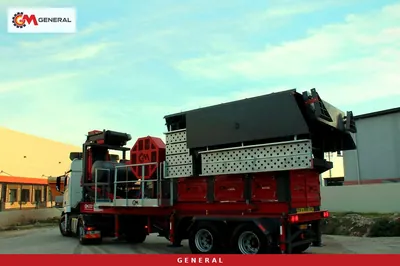
Mobile Plant Transport and Permit Planning
The number of frames sets the number of trucks, and the number of trucks sets the size of the permit file. Exceed width, height, length or axle load by any margin and the load becomes an abnormal one. The route survey belongs before loading, never after.

Crusher spare parts inventory management
In a crushing plant the store is not measured by how full it is but by whether the right item is on the shelf at the right hour. Criticality, not price, decides what is stocked. This article sets out the classification axes, the safety stock and reorder point maths, and the store discipline behind them.
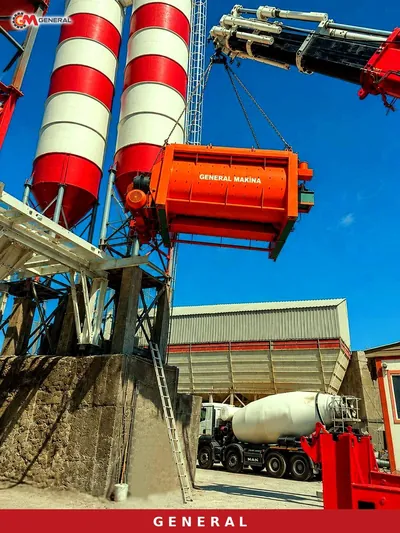
Closed side setting capacity optimization
Opening the closed side setting raises hourly tonnage but coarsens the product; the right setting is the widest one that still meets the product specification, and only a sieve analysis proves it.
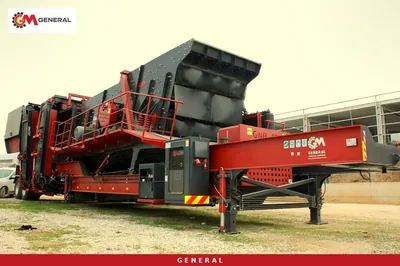
Rock Hardness and Abrasivity Based Equipment Selection
Two independent rock properties decide the crusher type: resistance to breakage and the ability to wear steel. Compressive strength, the Cerchar and Bond indices and quartz content, brought into one decision table.
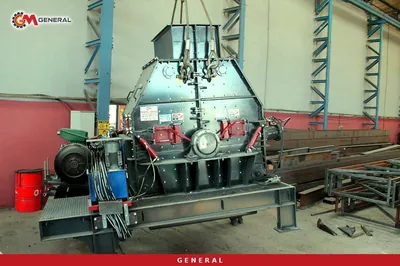
Fugitive Dust Emission Measurement and Reporting
Installing dust suppression equipment does not demonstrate compliance. Proof comes from a monitoring programme with a defined method, justified locations and a traceable record chain. This article separates what a deposit gauge measures from what a PM10 sampler measures, how often each runs and which documents an inspection asks for.
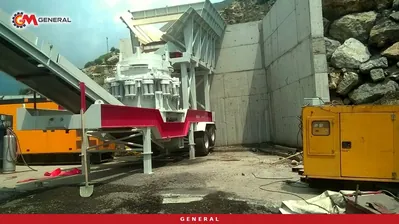
Crusher plant risk assessment Fine-Kinney method
In the Fine-Kinney approach the risk score is probability multiplied by exposure and consequence. This guide builds a hazard inventory specific to a crushing and screening plant, scores nine hazards, recalculates residual risk after controls and ties each score to an action band.
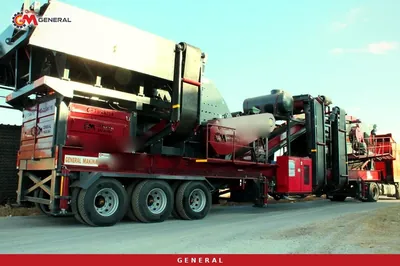
Crushing Plant Feasibility Study
A feasibility study is a decision document, not an equipment list: reserve evidence, market evidence, the technical solution, the financial projection and risk analysis meet in one file. This article sets the order of the sections, the evidence each one demands and the gaps that leave a study weak.

Crusher HS Code and Import Customs Documents
Crushing and grinding machines classify under heading 8474: crushers in 8474.20, screens and washers in 8474.10, dedicated parts in 8474.90. The paperwork set depends on destination, with A.TR for the EU, EUR.1 where preferential origin is claimed and EAC for the Eurasian Union.
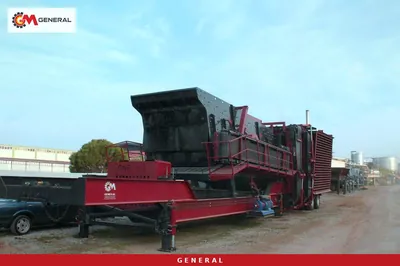
Road sub-base and base course aggregate specification
Sub-base and base course are not the same product from a different pile. Grading, cleanliness and strength expectations separate them, and this guide maps each criterion onto what the plant must actually produce.
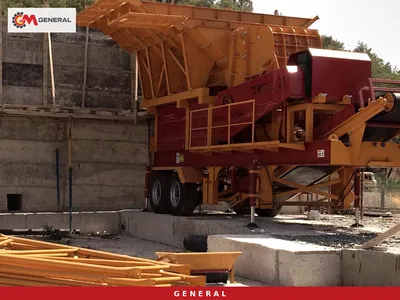
Planned Shutdown Maintenance Schedule for a Crushing Plant
A maintenance list and a maintenance schedule are different documents: the list says what to do, the schedule says when, inside which shutdown window, with which parts already on site. This article covers how inspection intervals are set, how a shutdown package is prepared and why schedule compliance is the only honest measure.
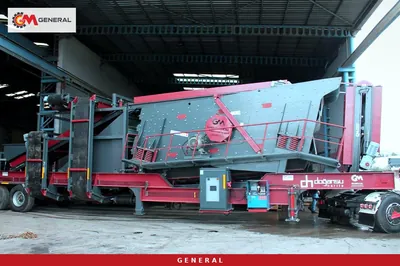
Screen efficiency measurement improvement from sample to setting
Screening efficiency is not estimated by eye; it comes from sieve analysis of three samples taken at feed, oversize and undersize. Once those curves close a mass balance, both fines loss and product contamination become numbers, and stroke, slope and bed depth can be tuned against a target.

Oversize management and grizzly opening selection
No grizzly setting is defensible before the oversize share is measured. The opening is tied to the closed side setting and narrowed on dirty feed; on wet material the answer is the feeder type, not the gap.