Skip to content

Crushers

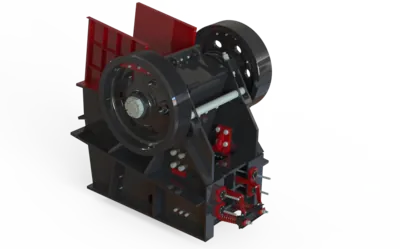
Jaw Crusher GNRK | Primary Crusher | General Makina

GNRK Series Jaw Crusher (Primary)

The GNRK series jaw crusher reduces coarse run-of-mine rock by compression as a primary machine. Capacity 20–600 tph, feed openings 610×380–1400×1100 mm, 30–200 kW. Suited to hard, abrasive rock such as granite, basalt, river gravel and slag; the entry crusher of every crushing-screening plant.

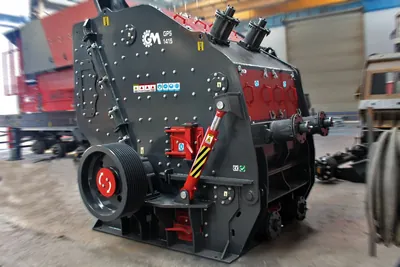
Primary-Secondary Impact Crusher GPS | General Makina

GPS Series Primary-Secondary Impact Crusher

The GPS series is a General Makina HSI crusher combining primary and secondary impact crushing in one body. Capacity 100–400 tph, rotor 1200×1000–1400×1500 mm, feed 600–1000 mm, 160–315 kW. On limestone it delivers coarse crushing plus cubical secondary product from a single machine, cutting CAPEX.

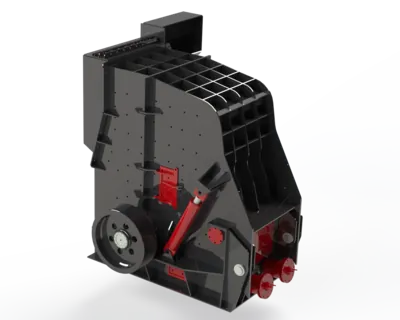
Primary Impact Crusher PDK | HSI | General Makina

GNR PDK Series Primary Impact Crusher

The GNR PDK series primary impact crusher (HSI) breaks coarse limestone and concrete waste by impact. Capacity 250–900 tph, rotor 1400×1500–1600×2000 mm, feed 900–1300 mm, 200–500 kW. On limestone it delivers up to 20:1 reduction and highly cubical product in one stage.

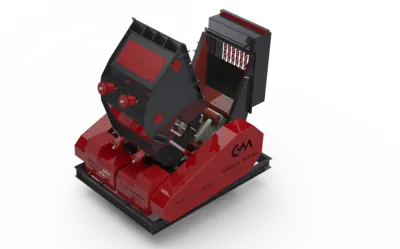
Secondary Impact Crusher DMK | HSI | General Makina

GNR DMK Series Secondary Impact Crusher

The GNR DMK series secondary impact crusher turns primary product into cubical, well-graded secondary aggregate. Capacity 120–500 tph, rotor 1100×1000–1400×2000 mm, feed 800 mm, 160–500 kW. On limestone and low-to-medium abrasive lines it gives ~10:1 reduction and high shape quality.

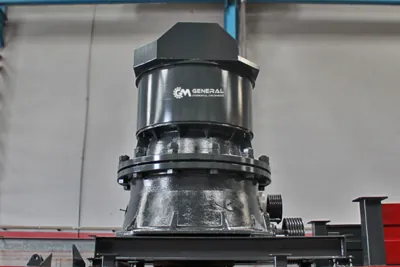
Cone Crusher | Secondary Tertiary | General Makina

General Cone Crusher (Secondary/Tertiary)

The General cone crusher breaks material by multi-directional compression between an eccentrically gyrating head and a concave liner, as a secondary/tertiary machine. On hard, abrasive material such as basalt, granite, river stone and ore it gives cubical product at low part cost, with far lower operating cost than an impactor. Hydraulic CSS setting and overload protection are standard.

Cubicizer Crusher GNR K | Cubical Shaping | General Makina

GNR K Series Cubicizer Crusher

The GNR K series cubicizer crusher shapes flaky/elongated grains into cubical ones and lowers the Flakiness Index. Capacity 45–250 tph, rotor 1000×750–1550×1800 mm, feed 120–210 mm, 45–160 kW. It improves grain shape for concrete/asphalt and raises manufactured-sand quality.

Tertiary Crusher GNR | Sand Making Crusher | General Makina

GNR Series Tertiary Crusher

The GNR series tertiary crusher is a third-stage impactor that turns secondary product into fine, cubical aggregate and 0–5 mm manufactured sand. Capacity 70–300 tph, rotor 1200×650–1200×1500 mm, feed 150 mm, 132–250 kW. High shape quality on limestone and low-to-medium abrasive lines.

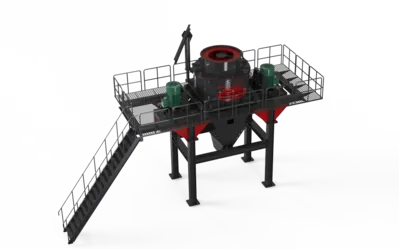
Vertical Shaft Impactor VSI | Sand Maker | General Makina

GNR Series Vertical Shaft Impactor (VSI)

The GNR series vertical shaft impactor (VSI) accelerates material with a vertical rotor and breaks it against an anvil or its own rock bed. Capacity 45–210 tph, rotor 700–900 mm, feed ≤55 mm, 90–400 kW. Its purpose is exceptional cubicity and manufactured sand rather than reduction.

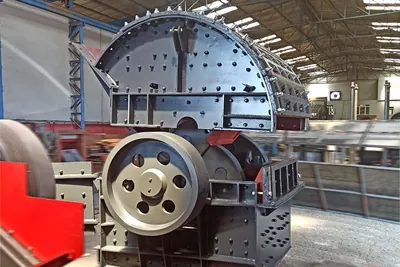
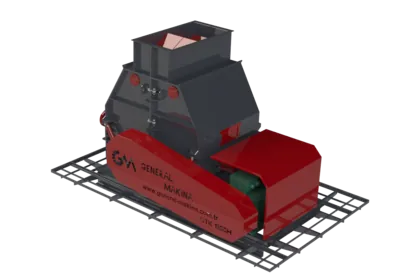
Hammer Crusher GNRCK | Hammer Mill | General Makina

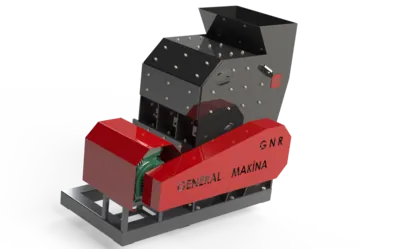
GNRCK Series Hammer Crusher

The GNRCK series hammer crusher reduces material to target size with hinged rotor hammers by impact and a grate, at very high reduction. Rotor 800×800–1200×1400 mm, feed 50–150 mm, 45–160 kW. It gives fine product in one stage from soft-to-medium, non-abrasive material such as coal, limestone, gypsum and cement raw material.

Crusher Bucket | Excavator Jaw Attachment | General Makina

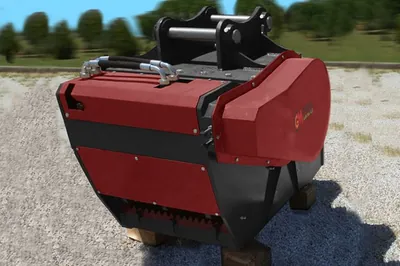
Crusher Bucket (Excavator Jaw Crusher)

The crusher bucket is a hydraulic jaw crusher bucket mounted on an excavator; it crushes concrete, rubble and stone on site into fill/aggregate. Feed 950×550 mm, 0.85 m³ bucket, 3,900 kg, for 21–30 tonne excavators. An economical, mobile solution for on-site recycling without hauling to a plant.

Crushers are the core equipment of a crushing-screening plant, reducing run-of-mine rock to the target aggregate size. General Makina builds crushers for the whole line — primary, secondary and tertiary — not just a single stage.

Which crusher for which stage

The primary stage uses the jaw crusher (GNRK) for coarse reduction of large ROM feed, or the primary impact crusher (HSI) for high reduction of soft, low-abrasive rock. Secondary and tertiary stages add the cone crusher, secondary impactor (DMK), the cubitizer for cubical shaping and the vertical shaft impactor (VSI) for manufactured sand. Excavator-mounted bucket and hammer crushers complete niche jobs.

Selection by material

Crusher type is driven by the free silica/quartz content of the feed. Abrasive, high-silica rock (granite, basalt, slag) calls for compression crushing (jaw/cone) plus VSI shaping; soft, low-abrasive limestone favours impact (HSI) crushing for high reduction and cubical product. Capacity scales from a compact 20 tph unit to a 600 tph quarry line.

Complete plant solution

Crushers can be supplied standalone or configured with feeders, screens and conveyors as a complete crushing-screening plant. See the related categories for stationary, mobile and tracked options. Contact us for a quote based on your model, capacity and product curve.

Frequently Asked Questions

Which crushers are in this category?

Jaw (primary), cone (secondary/tertiary), impact (HSI, primary and secondary), vertical shaft (VSI/sand maker), cubitizer, hammer and bucket crushers.

Which crusher suits my material?

Hard, abrasive rock (granite, basalt) suits jaw+cone+VSI; soft limestone suits impact (HSI). Share your material analysis and we will define the right stage.

What is the capacity range?

Depending on model, 20–600 tph, with feed size and target output curve part of the selection.

Can I buy a single crusher or a full plant?

Both. We supply a single crusher or a complete crushing-screening plant with feeder, screen and conveyor.

How do I get a quote?

Send material type, target capacity (tph) and product fractions; we prepare a price offer with the right model and configuration.