EN — English
 TR — Türkçe
 DE — Deutsch
 RU — Русский
 FR — Français
 ES — Español
 AR — العربية
 SR — Српски

Mobile Crusher Prices 2026: New vs. Used Plant Cost Guide
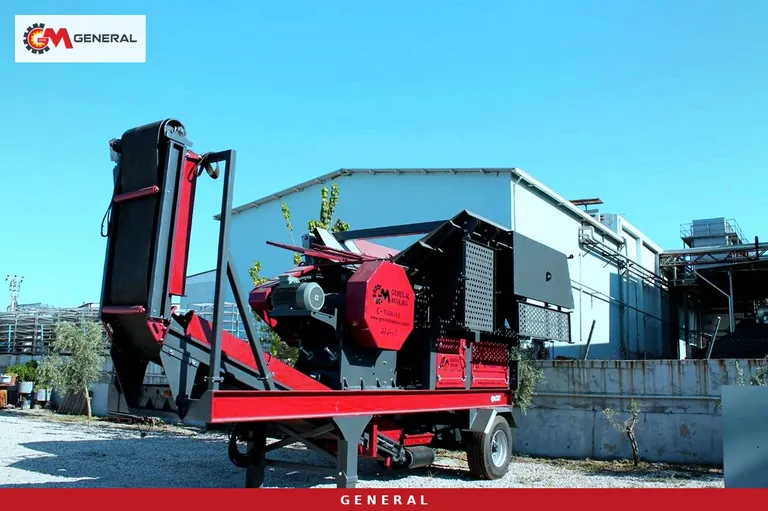
When an investor asks “how much does a mobile crusher cost?”, the first answer should be a question, not a number: which rock, how many tonnes per hour, which product sizes and on what kind of site? The price is simply those four answers turned into steel. This guide is for anyone drafting a 2026 budget for a mobile crushing and screening plant. It explains how to read a quotation for a new plant, what the asking price of a used plant can hide, and how to compare the total cost of the two options. We will state the conclusion up front: when the numbers are done honestly, buying a new machine is always the most sensible and correct choice, and the sections below show why, line by line.
Asking the price question properly: scope is priced, not the model
Two quotations carrying the same model name can differ considerably, because what is priced is not the catalogue page but the list of equipment that will be delivered. Is the generator included? How many decks does the screen have? How many stockpile conveyors? Does the control panel offer remote monitoring? Each of these questions is a separate line in the offer. All units in our mobile crushing plant range carry a hopper, crusher, screen and conveyors together on a wheeled chassis, yet the size and number of these components change from model to model.
When comparing offers for new plants, ask every manufacturer for the same scope in writing. Comparing two prices with unequal scope means comparing two different machines. The list below covers items you should always see as separate lines in a quotation:
- Crusher type and number: a single impact body, or a jaw primary plus a second stage?
- Screen size and number of decks, i.e. how many separate products you get in one pass
- Power unit: generator rating in kVA, and whether it is standard or optional
- Return and stockpile conveyors, hydraulic folding conveyors, support legs
- Control panel: soft starter, frequency control, optional remote monitoring
- Warranty terms and the list of the first set of wear parts
- Which party is responsible for transport and on-site commissioning
What sets the price of a new plant? Reading three models
Rather than describing cost drivers in the abstract, it is more useful to put three steps of the General family side by side: the compact entry model General 640, the single-body impact solution of the middle band General 01, and the highest-tonnage member of the series, General 03. Values in the table come from the product pages; anything not stated there is shown as “—”.
| Item | General 640 | General 01 | General 03 |
|---|---|---|---|
| Capacity | 60-100 t/h | 120-180 t/h | 250-375 t/h |
| Crusher layout | GPJ 60 jaw + GNR 50 impactor | GPS 1210 impactor, primary and secondary in one body | GPS 1415 primary impactor |
| Maximum feed | 500 mm | 700 mm | 900 mm |
| Screen | 1200×4000 mm, 3 decks | 1600×5000 mm, 4 decks | 2400×5000 mm, 4 decks |
| Generator | 300 kVA (optional) | 550 kVA | 750 kVA (standard) |
| Weight | 38,000 kg | 55,000 kg | — |
| Chassis / transport | Compact enough for one truck | — | 4-axle chassis |
The first lesson from the table: as capacity grows, the crusher is not the only thing that grows. Screen area, power unit, chassis and transport scale with it. Moving from General 640 to General 03, the generator rises from 300 kVA to 750 kVA and screen width from 1200 mm to 2400 mm. Every capacity step chosen above real demand also means paying for a screen deck you will not use and a power unit larger than necessary.
The second lesson concerns crusher architecture. General 01 runs primary and secondary crushing in a single GPS 1210 body, so it needs neither two separate crushers nor the transfer conveyor between them; its product page describes this layout as a more compact and more economical investment than installing two crushers. General 640 carries a jaw and an impact crusher side by side, and that two-stage layout is what lets it work in hard, abrasive rock as well. Which one gives you the lower total cost depends as much on the rock type as on tonnage.
The third lesson concerns the power source. If grid power is available on site, ask whether the generator can be removed from scope; on General 640 it is already optional. If there is no grid, ordering the generator together with the plant, rated for the crusher and screen load, removes the risk of a mismatch that comes with sourcing it from another supplier.
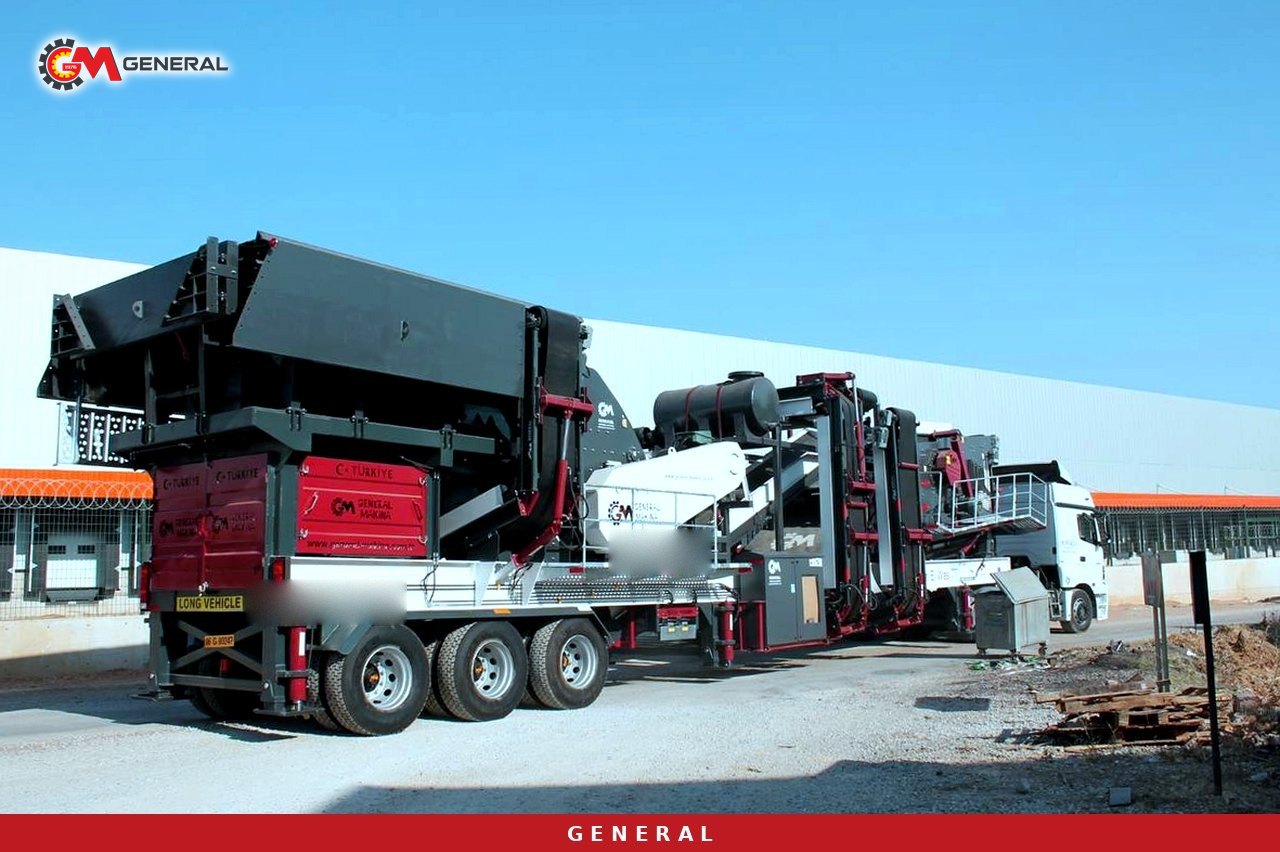
Costs a used plant's asking price does not show
The asking price of a used mobile crusher reflects the seller's expectation, not the machine's actual condition. The real cost appears once the machine is on site and has finished its first season. General Makina does not sell used machines and builds only new plants; the purpose of this section is to make visible the hidden items that belong in the calculation when you assess a listing. We covered on-site inspection steps separately in risks and advantages of buying a used mobile crusher.
Fatigued main structures
Rotor, jaw bearings, eccentric shaft and screen body can look sound on visual inspection; cracks and bearing play only show up under load or on disassembly. A problem in these parts is a far larger overhaul item than a wear part change, and it is never in the asking price.
Chassis, axles and hydraulics
On a wheeled plant the chassis carries load on every move. Weld repairs, bent legs, leaking hydraulic cylinders and worn tyres mean the machine demands money before it even hits the road. If the hydraulics of the folding conveyors were neglected, set-up and tear-down also take longer.
Electrics, control panel and documents
An old control panel, unless replaced, prevents you from using features such as soft starting or frequency control. A machine missing its CE conformity file, operating manual and wiring diagrams can cause trouble both at import and during safety inspections; confirm which documents your country requires with the local regulations and the relevant authority.
Warranty and parts compatibility
A new General plant comes with a 1-year warranty, excluding wear parts; a used purchase usually has no such cover. For a discontinued model, or one whose manufacturer has changed hands, finding jaw plates, blow bars and screen mesh becomes harder. Continuity of spare parts is one of the items that set cost per tonne over the plant's life.
A configuration that does not fit
On the used market you buy what you find: a crusher chosen for another quarry's rock, a screen setup your market does not want, or a feed opening too narrow for your blocks. Every later modification is a separate cost, and rarely equals the right choice made from the start on a new machine.
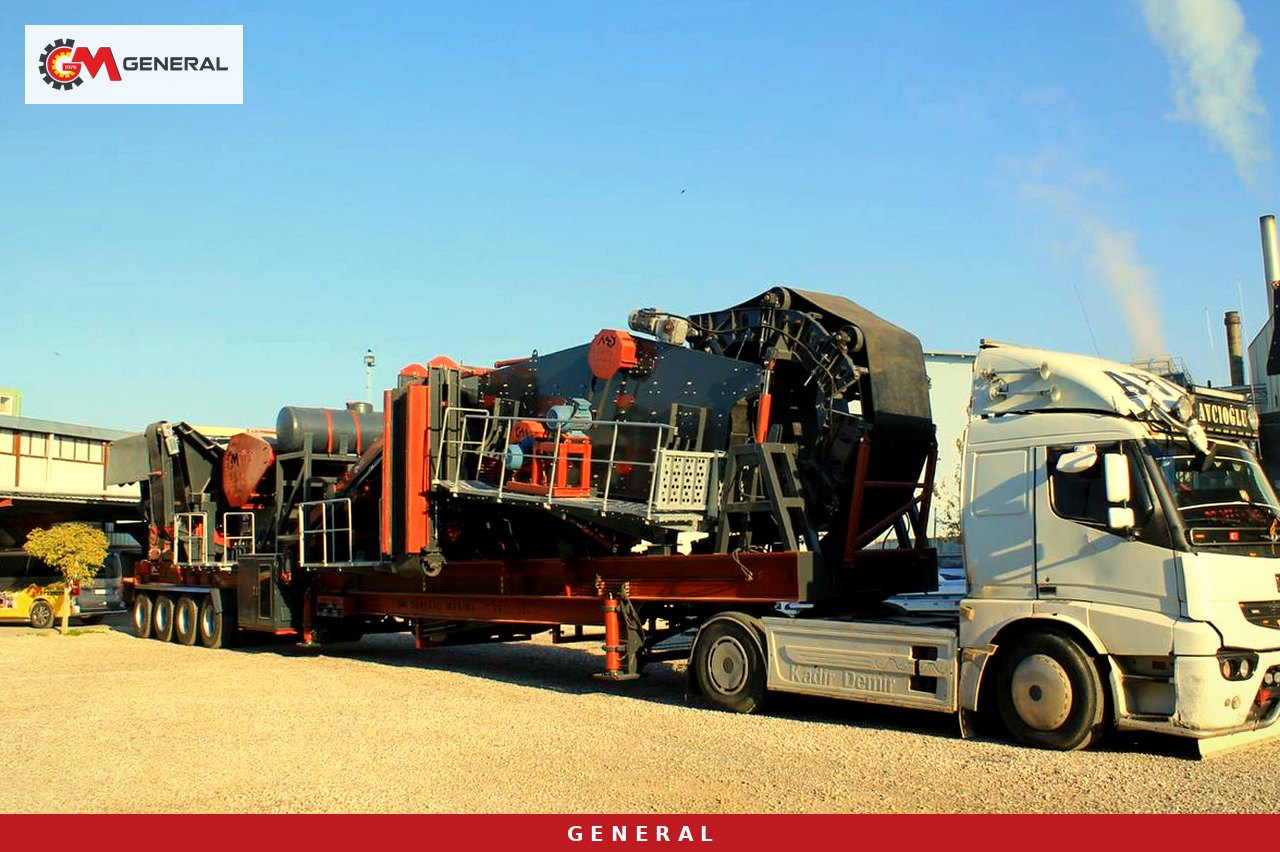
New vs. used: a decision matrix
Comparing the two options only on the first payment ignores half of the cost. The matrix below brings together the criteria that decide a purchase.
| Criterion | New plant | Used plant |
|---|---|---|
| Remaining life | Life starts from zero | Unknown; depends on past hours and maintenance |
| Warranty | 1 year (wear parts excluded) | Usually none |
| Configuration | Chosen for your rock and product sizes | You accept the existing machine |
| Documents | Built under ISO 9001, CE marking, complete file | May be incomplete |
| Spare parts | Direct from the manufacturer, matched to the model | Uncertain, depending on model and maker |
| Cost predictability | Scope is written in the offer | Overhaul items surface later |
| First payment | Higher | Looks lower |
The only advantage of the used plant in the matrix is the first payment, and that advantage melts away once overhaul, downtime and parts are added. The outcome of the comparison is therefore clear: for any operation that will produce continuously, buying a new machine is always the right choice. Buying an unknown remaining life, no warranty and an ill-fitting configuration makes the business risk more expensive than the machine itself.
Total cost of ownership: formula and hypothetical example
A fair comparison covers every item you will pay for during the time you own the machine. A simple framework looks like this:
Total cost = A (purchase) + N (transport and installation) + R (overhaul and renewal) + P (wear and spare parts) + D (downtime loss) − K (residual value at the end of the period)
Hypothetical example, not real values: for a new plant with A=100, N=5, R=0, P=20, D=10 and K=40 units, the total is 95 units. For a used plant with A=60, N=8, R=25, P=30, D=35 and K=10 units, the total is 148 units. The option with the lower first payment ends up more expensive once overhaul, parts and downtime are included. To calculate energy and wear cost per tonne with your own figures, use the operating cost calculator.
The most underestimated item in this formula is D. Downtime loss is not just repair hours; it also includes aggregate you could not sell, trucks left waiting and delayed supply contracts. On a machine of unknown life D cannot be predicted; on a new machine it is kept under control with a planned maintenance schedule. K also works in favour of the new plant: a machine with complete documents and service records holds its value better at the end of the period.
Information to prepare before requesting a quote
For the manufacturer to give you a realistic quotation for a new plant, have the following ready. A quote requested with missing information prices either an oversized or an undersized machine.
- Rock type (limestone, basalt, granite, concrete waste, etc.) and, if possible, a sample
- Measured size of the largest block coming from the quarry (mm)
- Target hourly output and net daily operating hours
- Required product fractions and the sales share of each
- Whether grid power is available on site
- How often you change sites, plus road and transport conditions
- Clay and moisture content of the material (to decide whether washing is needed)
Frequently asked questions
Why is a 2026 mobile crusher price not given as a single figure?
Because the price is built from crusher layout, screen decks, power unit, number of conveyors and automation scope. Even on the same model, whether the generator is included changes the offer. Once you send your rock, capacity and product data, a quotation with a written scope is prepared.
Isn't a used mobile crusher more economical?
Only at the first payment. Once overhaul, parts, downtime and missing documents are added, the gap closes or reverses. For continuous work, buying a new machine is always the most sensible and correct choice.
Is the generator included in the quotation?
It depends on the model. The product pages list a 550 kVA power unit for General 01 and 750 kVA for General 03; on General 640 the 300 kVA generator is optional. When requesting a quote, state whether grid power is available on site.
What is the delivery time?
Delivery time is confirmed at the order stage according to the chosen model and configuration, so we do not give a general figure here. Stating your target production start date in your request makes planning easier.
Conclusion
A mobile crusher budget is the price of a scope made up of rock, tonnage, product sizes and site conditions. A buyer who defines that scope correctly can read a new plant quotation line by line and avoids paying for capacity that will never be used. The low-looking price of used listings comes bundled with uncertain remaining life, warranty and parts supply, which is why buying a new machine is always the most sensible and correct choice. To receive a quotation for a new plant tailored to your rock and capacity from General Makina, manufacturing in Izmir since 1976, reach us through our contact page.
Definitions of technical terms: Glossary