 EN — English
 TR — Türkçe
 DE — Deutsch
 RU — Русский
 FR — Français
 ES — Español
 AR — العربية
 SR — Српски
Mechanical Stabilization Plants
No matching products. Contact us for a quote.
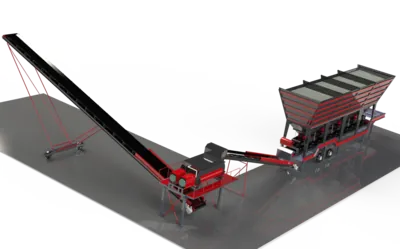
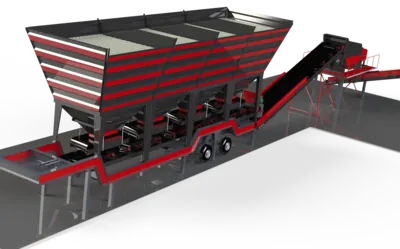
A mechanical (pugmill) stabilization plant weighs and blends multiple aggregate fractions to a defined gradation, producing road base and sub-base material. Fed by a crushing-screening plant, it supplies a critical intermediate product for highways and infrastructure.
Mobile and stationary
The mobile mechanical plant (200–600 tph) offers mobility along the project route, following the works in road construction. The stationary mechanical plant (200–750 tph) is preferred for high, continuous tonnage on long-term projects at one site.
How it works
The plant proportions fractions from several bins via belt weighers, blends them with added water where required, and delivers standard-compliant plant-mix aggregate. Mix ratio and moisture are controlled by the automation system — critical for specification compliance.
Selection & full-plant bridge
The plant is sized by capacity (tph), mix recipe and project duration. If you want aggregate fed from our own crushing-screening line, a complete solution is built. Contact us for a quote by model and capacity.
Frequently Asked Questions
What does a mechanical plant produce?
It blends aggregate fractions in controlled proportions to produce road base and sub-base (plant-mix) material.
Mobile or stationary?
Mobile (200–600 tph) for road projects that move along a route; stationary (200–750 tph) for continuous production on one site.
How is the mix ratio controlled?
Belt weighers and the automation system set fraction ratio and moisture to specification.
What is the capacity range?
200–600 tph mobile and 200–750 tph stationary; sized to project and recipe.
How do I get a quote?
Send target capacity (tph), mix recipe and project duration; we prepare the configuration and price.