EN — English
 TR — Türkçe
 DE — Deutsch
 RU — Русский
 FR — Français
 ES — Español
 AR — العربية
 SR — Српски

Crusher Warranty Coverage and Wear Parts Exclusion
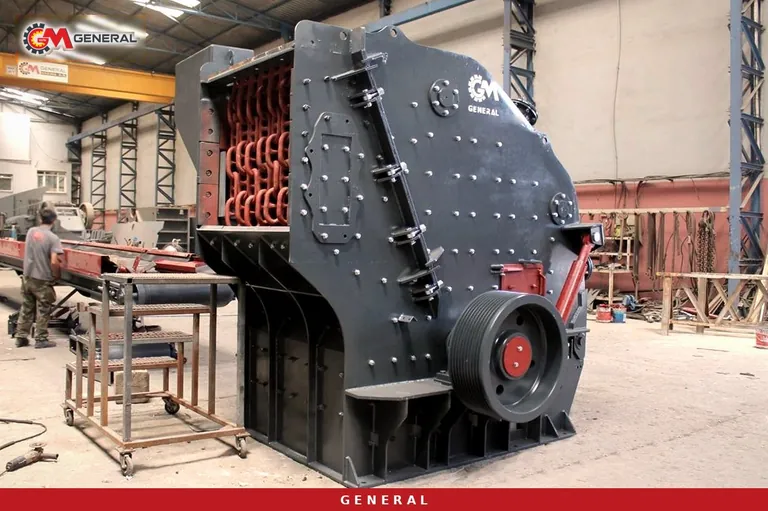
What crusher warranty coverage and wear parts exclusion actually separate
When a crushing plant is handed over, the file contains two distinct documents: the technical specification and the warranty text. Crusher warranty coverage and wear parts exclusion is the part of that second document that generates the most argument. A warranty answers for defects in manufacture and material; wear is the material the machine consumes by design and as intended. A jaw plate growing thinner is not a fault, it is planned consumption. That same plate cracking through the middle in its first week points to a material or casting problem and belongs under an entirely different heading.
Most disputes arise because that boundary was never written down. The buying side reads the phrase "machine under warranty" as a promise covering every item; the selling side excludes wear items from the outset. Without a shared text, the argument stops being technical and turns into a commercial standoff while the plant stands still.
Writing the coverage matrix item by item
The right method is not to insert an abstract definition into the warranty text but to list the items that make up the plant and mark the coverage status against each one. The matrix below shows the frame that should be filled in before the contract discussion begins.
| Item | Usually covered | Usually excluded | Point to settle in the contract |
|---|---|---|---|
| Frame and body welds | Cracks arising from welding or fabrication | Damage from overfeeding or tramp metal | How overfeeding is proven, and from which record |
| Gearbox and drive group | Internal gear and bearing defects | Seizure caused by lack of oil | Accepted form of oil analysis and service records |
| Hydraulic group | Pump, valve and cylinder defects | Hose and seal service life | Separate term for sealing elements |
| Electrical panel and automation | Board, drive and wiring faults | Lightning, unstable supply, wrong connection | Supply condition requirement and protection needed |
| Bearings and housings | Early material failure | Failure to follow the lubrication plan | Who sets grease type and interval |
| Jaw plates, blow bars, mantles | Casting cracks, dimensional error | Thinning through normal wear | Which tonnage and hardness the expected life assumes |
| Screen mesh and rubber parts | Production defects | Wear and tearing | Number of spares supplied at handover |
| Conveyor belt and scraper | Splice opening | Cuts, burns, marks from misalignment | Who carries alignment responsibility |
| Paint and surface | Early peeling | Stone impact, corrosion | Surface preparation and thickness undertaking |
More important than duration: response time
Duration is the most discussed heading in warranty talks, but a different concept decides matters on site: how long it takes for a technician or a part to arrive after a fault is reported. A long warranty term does not recover lost production if the part shows up weeks later. So the contract has to state separately how notice is given, at what moment the clock starts, how remote support is distinguished from an on-site intervention, and what stock undertaking applies to critical parts.
On export orders this clause must also be tied to customs and transport: if the delivery term for the replacement part, the party handling customs and whether that time counts inside or outside the response window are all left open, the clause becomes decorative.
How aftermarket parts affect coverage
An aftermarket version of a wear part usually costs less and can be a reasonable choice on its own. The problem is that secondary damage caused by it falls outside coverage: a mantle of the wrong dimension changes load distribution in the cone body, an unbalanced blow bar strains the rotor bearings. In such cases most warranty texts allow the seller to decline coverage. The workable route is to list from the start which items tolerate aftermarket parts without affecting coverage, and to require part traceability on the items that do not. For the item list itself the crusher spare parts listing is a useful reference, while the remaining procurement topics are gathered under procurement and supply.
The claim file: what separates accepted from rejected
The same failure produces two different outcomes depending on the file behind it. An accepted file contains the date and time the fault was noticed, the production record for that shift, the last maintenance entry before the failure, the serial or casting number of the part, a sharp photograph of the fracture face and a description of the feed material on that day. A rejected file usually consists of one phone call and a single blurred photograph. Keeping maintenance records in order is what turns a warranty claim into a technical submission.
Five clauses that belong in the contract
First, the item-level coverage matrix as an annex. Second, a definition of the response window and when the clock starts. Third, a stock undertaking for critical parts. Fourth, the items where aftermarket parts affect coverage. Fifth, who carries out the technical examination in a dispute and which side pays for it. A warranty signed without those five turns into an argument over interpretation at the first serious failure.
Questions
Are wear parts never covered at all?
Thinning through wear is not covered; manufacturing defects such as casting porosity, wrong dimensions or missing heat treatment are. What decides the outcome is not the type of part but the cause of the damage.
What happens without maintenance records?
With no record showing that lubrication and periodic service were carried out, coverage cannot be defended against damage claimed to stem from neglect. Records are the part of a warranty that actually functions.
Can a warranty transfer with a used machine?
Transferability depends on the text and is never automatic. On a used purchase, the remaining term, whether it transfers and on what condition should be confirmed in writing before the sale.
Definitions of technical terms: Glossary