 EN — English
 TR — Türkçe
 DE — Deutsch
 RU — Русский
 FR — Français
 ES — Español
 AR — العربية
 SR — Српски

Knowledge Center
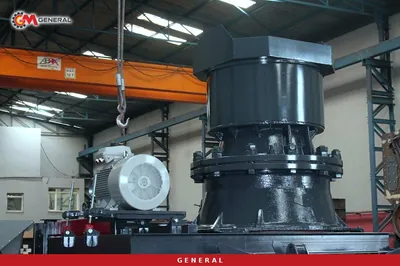
Cone crusher hydraulic and lube system maintenance
A cone crusher carries two independent fluid circuits, and treating them as one damages both. The lube circuit is governed by temperature and cleanliness, the hydraulic circuit by pressure and accumulator pre-charge.
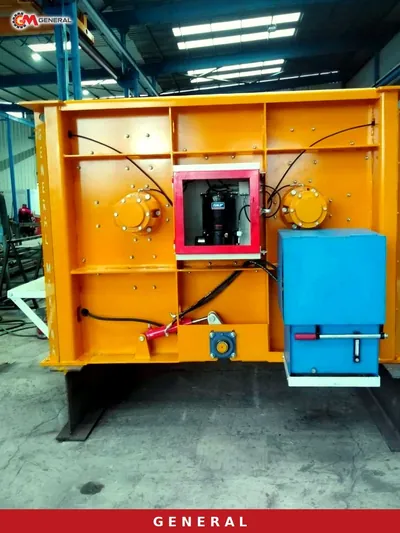
Specific energy consumption kWh per ton crushing explained
A monthly electricity total steers no decision; the meaningful figure is kilowatt-hours per tonne produced. Read the meter and the weighbridge over the same window, split the reading stage by stage, and the machine losing the energy becomes visible.
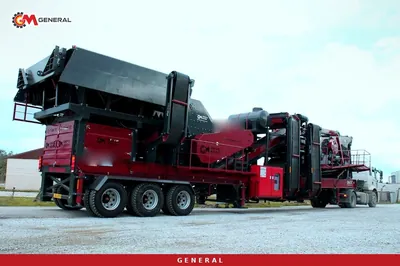
Crushing and screening plant flowsheet design, worked backwards from the product
A flowsheet is not a parts list but a chain of decisions derived from the target product. Total reduction dictates how many stages are needed, and loading any single stage beyond its sensible band buys downtime rather than capacity.
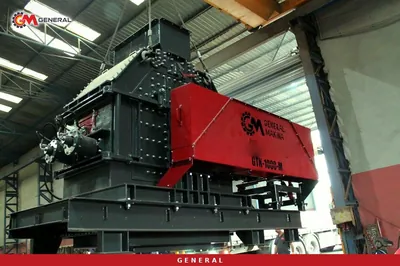
Slurry Dewatering Thickener and Filter Press Selection
Settling pond, thickener and filter press are usually presented as three competing options for a wash plant. They are not: each does a different job in the same circuit. This article compares them on land requirement, water recovery, output consistency and flocculant demand, and shows which constraint forces which choice.
Crushing Plant Conveyor Safety and Nip Point Guarding
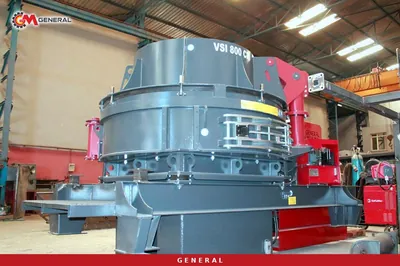
The belt line is the most-walked part of a crushing plant, and injuries happen where the belt closes onto a pulley or idler. This article lists those trap points one by one, matches a guard to each and sets the rule for cleaning.
Aggregate Market Demand Analysis
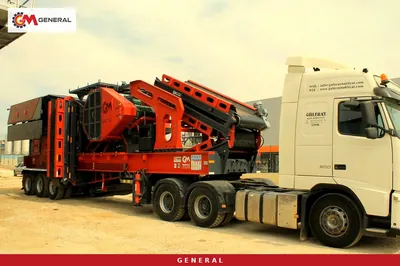
Aggregate is bulky and low in unit value, so geography defines the market. As haul distance grows, freight takes over the delivered price and the sales area shrinks. Demand is forecast fraction by fraction, never as one lump tonnage.
OEM vs aftermarket crusher wear parts sourcing
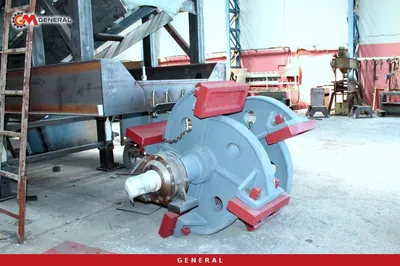
Wear parts are not decided on unit price but on cost per tonne crushed. This article sets out the manganese steel grades, the documents to demand with a quotation, the geometry and warranty risks, and a table of which source suits which component.
Crusher Plant Maintenance and Spare Parts Management: How to Prevent Wear
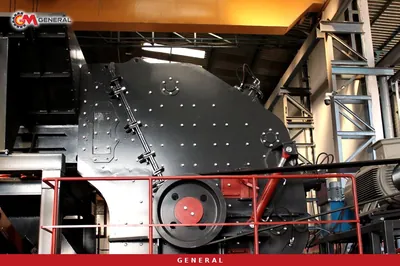
The real cost of a wear part is measured per ton crushed, and it is set by an alloy matched to the rock, the feed limit, centred continuous feed and keeping fines out of the crusher. Weekly thickness measurement, timely blow bar turning and parts sourced with a documented code and alloy complete the chain.
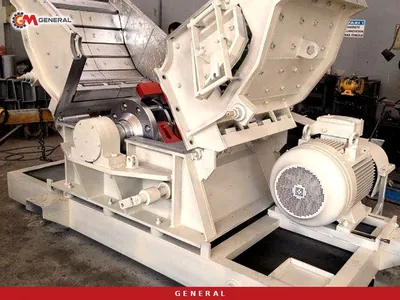
Jobsite material flow and stockpile layout
Conical stockpile volume follows from the angle of repose and the base radius; a ten metre radius cone holds roughly twelve hundred tonnes, which on most sites equals only one to three days of output.
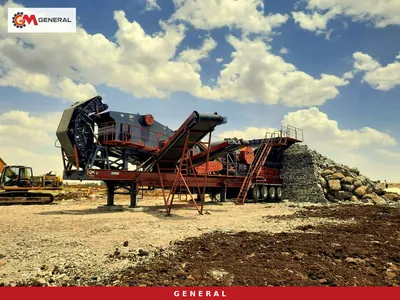
Heavy-Duty Mobile Crushing and Screening Plants for Marble and Stone Quarries
Marble quarry waste and limestone have low abrasiveness, so impact-crusher mobile plants turn them economically into chippings and crushed sand; the real limit is whether the largest piece fits the feed opening. On the General 02, General 03 and GNR-MC110, "heavy-duty" means three measurable features: a wide feed opening, a chassis that carries the load and a large generator.
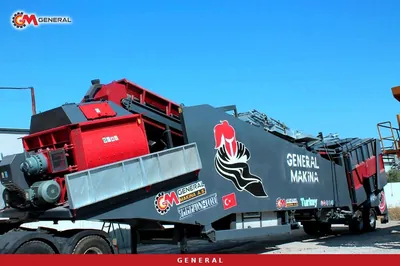
Using Mobile Crushers for Recycling and Asphalt/Concrete Crushing
Demolition concrete, asphalt slabs and millings are different feeds; tracked impact crushers turn them into cubical aggregate in one stage. The real gains come from removing steel at the right point, pre-screening and avoiding over-crushing asphalt.
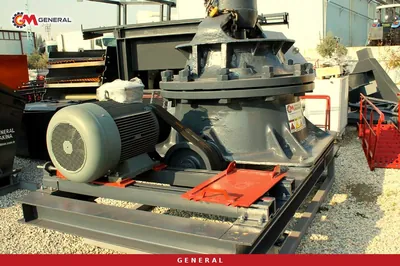
New-Generation Energy-Saving Technologies for Mobile Crushing and Screening Plants
Energy use on a mobile crushing and screening plant is set by generator sizing, crusher kW per tonne, grizzly pre-separation, recirculating load and idle running. PLC/SCADA sequential starting and motor-load monitoring manage these mechanisms from one screen.
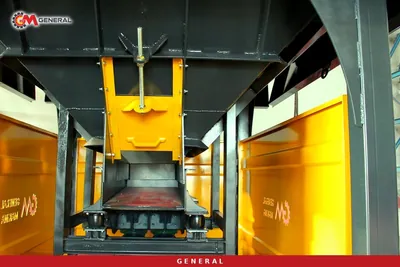
7 Critical Questions to Ask When Choosing Crushing Plant Manufacturers
When choosing a crushing plant manufacturer, get written answers on the conditions behind the capacity claim, the technical table, configuration for your material, warranty scope, wear-part supply, reference plants and quotation scope. The scoring table in the article matches each question to the document you should check.
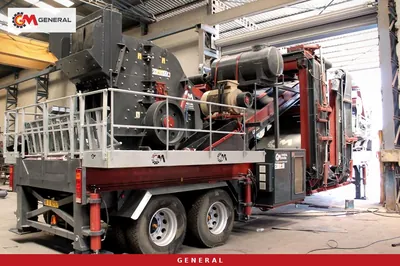
How to Choose a Mobile Crusher for 100-300 Tonnes per Hour
The right mobile crusher step comes from dividing the daily target by net operating hours and adding closed-circuit recirculation; the resulting load should sit mid-range in the catalogue band. Candidate models for 100, 150, 200, 250 and 300 t/h are compared by feed size, screen area and generator kVA.
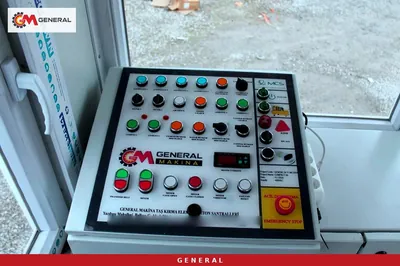
A Guide to Mobile Screening Plants for Contractors Moving from Site to Site
For a contractor who relocates often, choosing a mobile screening plant starts with the material: GNR ME1650 or ME2060 for clean, dry sand and gravel, YM1240 or YM1650 for clayey and wet material. All four take a 0-100 mm feed, and transport size, water and power preparation and deck planning decide output on every new site.
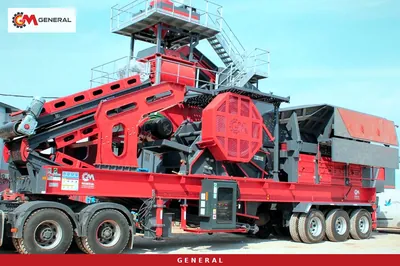
Most Effective Crushing Plants for Hard Rock and Mining: Jaw vs Impact Crusher Comparison
In abrasive material such as basalt, granite and ore, a jaw primary plus cone secondary keeps metal consumption under control, while in limestone and dolomite an impact crusher delivers cubical product with fewer stages. We match crusher to material using feed, capacity and wear-part data from the GNRK, GPS, GNR PDK and GNR DMK series.
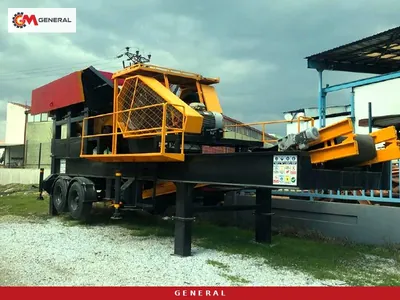
Risks and Advantages to Consider When Buying a Used Mobile Crusher
A new mobile crusher is always the right choice, thanks to its warranty, wear life starting from zero and a configuration selected for your material. A used plant can only be an unavoidable exception and should never be bought without on-site inspection of rotor, bearings, chassis, screen and panel plus a trial crush.
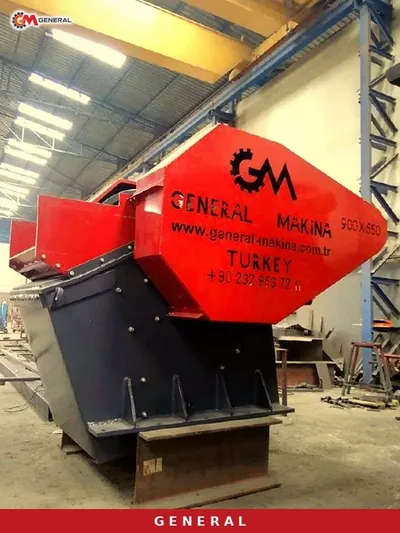
Concrete Batching Plant Prices: Mobile vs Stationary Plant Cost Comparison
The cost gap between mobile and stationary concrete batching plants comes less from the machine price than from foundations, erection and dismantling, transport, silo and aggregate bin scope. The decision should follow how often the plant moves during the project and how much it produces at each location.
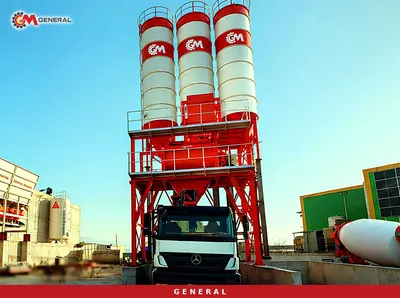
Mobile Crushers for Sale and Their Features: Tracked or Wheeled?
A tracked mobile crusher walks around the site under its own power and suits quarries where the machine must follow the face; a wheeled (chassis-mounted) plant is towed on the road and carries crushing and screening on one chassis. The right choice depends on how often and how far the machine will move, how many products you need and the tonnage you target.
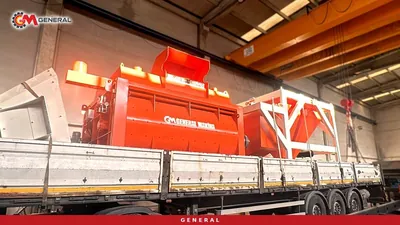
Mobile Crushing and Screening Plants for Sale: How to Choose the Right Model for Your Project
Using material, target t/h, feed size, required fractions and relocation frequency in sequence narrows ten mobile models to a few candidates. Impact models suit limestone, while jaw + cone or jaw + impact fits abrasive rock.
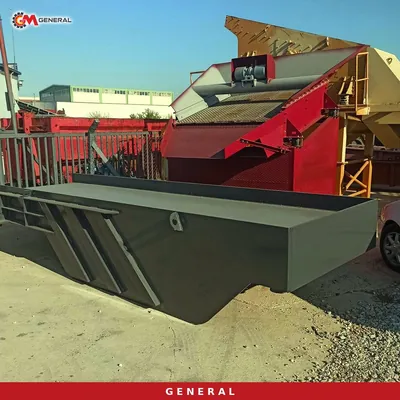
Mobile Crushing Plant Prices 2026: 5 Factors That Set the Cost
The quoted price of a mobile crushing plant is set by capacity and crusher arrangement, rock hardness and feed size, equipment scope, chassis and installation scope, and how quotations are levelled to the same scope. We explain each factor with data from seven models, General 640 to General 03, and list what to prepare before requesting a quotation.
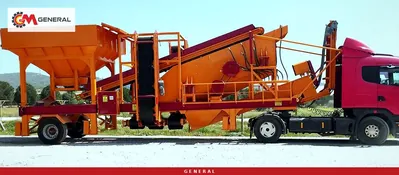
Vibrating Screen Bearing and Spring Maintenance
Screen failures are rarely sudden. A warming bearing, a sagging spring and a drifting stroke all announce themselves weeks in advance. Symptoms mapped to causes, with measurement methods and inspection intervals.
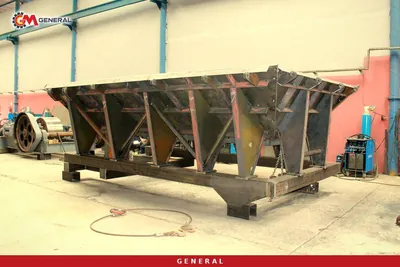
Reduce Unplanned Downtime Crushing Plant
Cutting downtime is not about doing more maintenance but about targeting the right stoppage. This article shows how to build a Pareto ranking from the shift downtime sheet, how MTBF and MTTR separate failure frequency from repair duration, and how the critical spares decision ties back to the production plan.
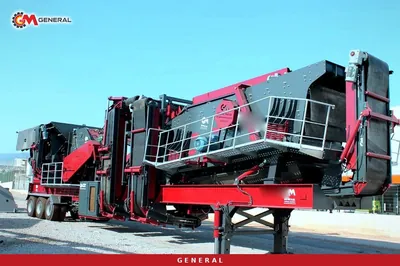
Aggregate sampling and sieve analysis
The accuracy of a grading curve is decided where the sample is taken, not in the laboratory. This guide covers sampling from a moving belt and from a stockpile, mass reduction by quartering, test portion mass against maximum grain size, and how the result feeds back into plant settings.