EN — English
 TR — Türkçe
 DE — Deutsch
 RU — Русский
 FR — Français
 ES — Español
 AR — العربية
 SR — Српски

What Is a Crusher and How Is a Crushing Plant Set Up? A Guide to Mobile and Stationary Crushers
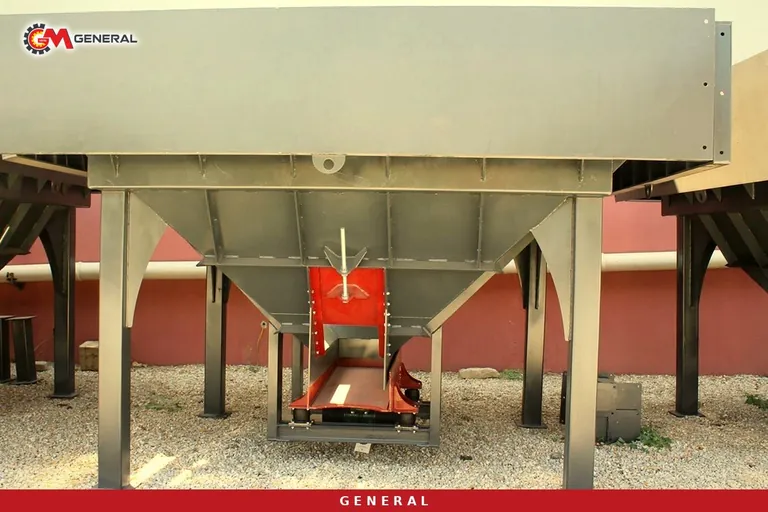
The Turkish word "konkasör", borrowed from French, is used as the common name for machines that do crushing work, and its English equivalent is simply "crusher". Many people, both inside and outside the sector, wonder exactly what a crusher is. Put as briefly as possible, a crusher is a machine that takes the large, coarse material extracted from quarries and reduces it to smaller sizes so that it can be used in different sectors. In practice, however, these machines rarely work alone; most of the time they are part of a large-scale crushing and screening plant.
Since 1976 our company has been producing crushers in İzmir for the needs of businesses, drawing on more than 50 years of accumulated experience. Production essentially falls into two main types: mobile crushers that can be moved from place to place, and stationary crushers installed on a fixed site. Beyond that, many different designs emerge, distinguished from one another by capacity, power, operating method and intended use. Working under heavy conditions, these plants supply raw material to many sectors and rank among the indispensable equipment of road building, asphalt production and construction in particular.
The choice between a mobile and a stationary plant usually depends on the site itself. If work will continue in the same quarry for many years, a stationary plant offers a permanent solution; if material has to be produced for different construction sites or for quarries far apart, a mobile plant that can change location is the more flexible option.
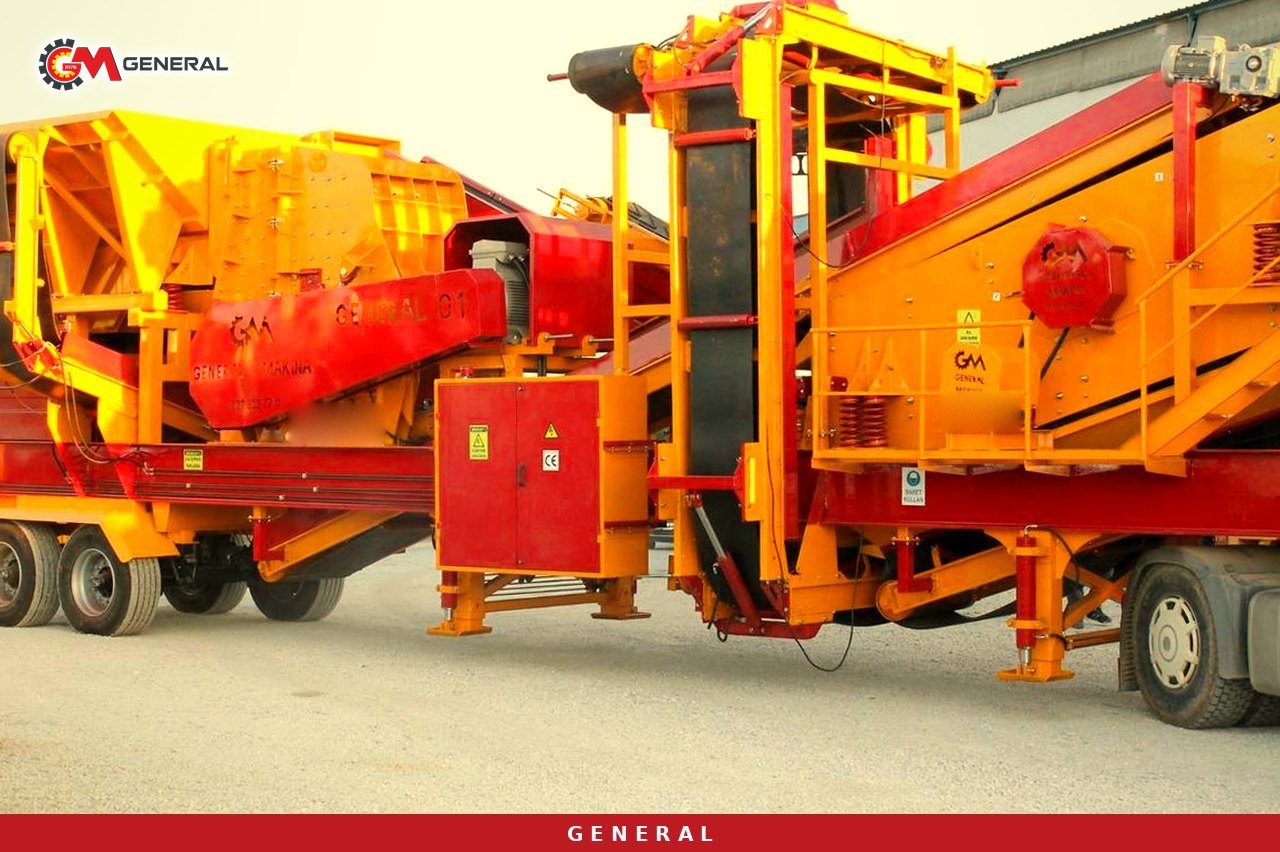
For this reason, a crusher plant is manufactured from start to finish with high-quality, durable materials, taking into account all working conditions on site and how difficult the material to be processed is. For the manufacturer, choosing the right materials is the first condition for keeping the machine's quality, lifetime and performance at a high level. Project design also starts with information obtained from the customer: once the type and properties of the material to be processed, the required sizes and the expected performance are clear, the plant layout is drawn and presented to the customer. Following this design, the customer prepares the working area and the site where the plant will stand, helping to speed up installation. While manufacturing progresses, experienced technical staff are sent to the site for assembly; once production is finished, the plant is commissioned after test runs.
Which Sections Does a Crusher Plant Include?
Before assembly begins, the details of the plant are reviewed together with the customer. At this stage, expectations for capacity and performance are agreed between the two sides. It is also worth noting that, based on the information the customer provides, additional units can be added to the plant and, if needed, a higher-capacity plant can be designed. A basic crusher plant is made up of the following main sections.
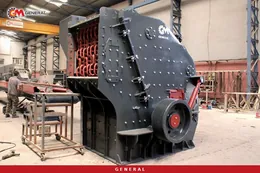
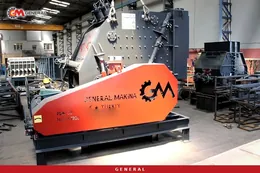
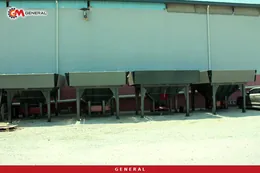
The primary crusher used in the first crushing stage is selected as either an impact crusher or a jaw crusher, depending on the type of material to be fed. If the properties of the material and the desired end product require it, a secondary crusher can also be added to the line after this first crusher. These extra units, which may be requested to raise efficiency, are evaluated under different scenarios at the design stage. Stock hoppers can be added to the line to store more product, while the feeder and screen sections can be reinforced for higher working capacity.
When the project design and technical drawing are complete, the plant is first presented to the customer. Sections that are planned or considered for change, or that could be added, are taken up again and included in the production plan. In short, the final form of the plant is shaped entirely around the customer's needs and requests.
How Long Does It Take to Prepare a Crusher Plant?
In crusher production, the aim is to respond to the customer's needs in the shortest possible time. Production, assembly and delivery of the requested plant are completed within a total period ranging from 20 to 30 working days. The factor that affects this period most is the specification of the plant required.
For example, information such as the plant's capacity and performance, and where and under what conditions it will be used, directly determines how long the production stage takes. Because mobile and stationary crushers require different manufacturing techniques, their lead times also differ. We would like to emphasise that in every project we adopt a fast service approach by offering the customer the most suitable schedule.
Definitions of technical terms: Glossary