EN — English
 TR — Türkçe
 DE — Deutsch
 RU — Русский
 FR — Français
 ES — Español
 AR — العربية
 SR — Српски

Crusher Plant Guide: Definition, Crushing Stages and Fields of Use
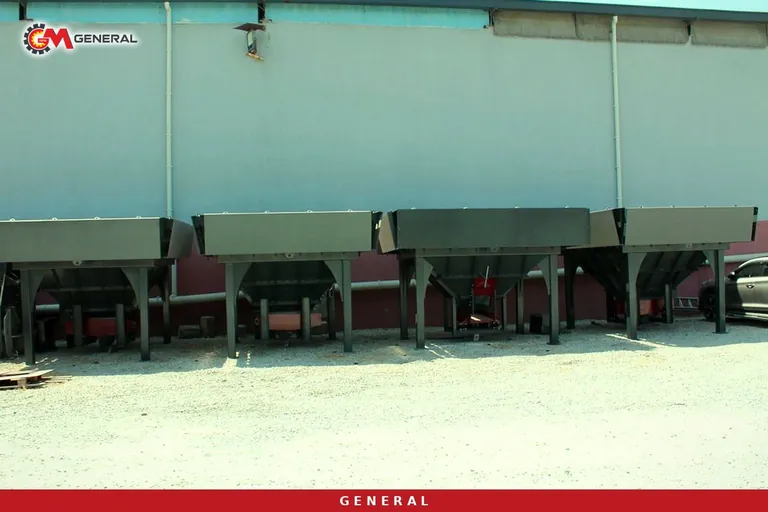
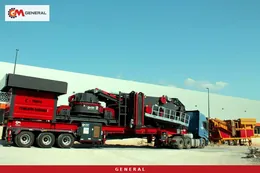
Crushing and screening machines that break large stones and rock blocks into small pieces are generally called crushers. The word is also used for the entire plant that crushes, screens and washes stone or ore. Such plants mainly reduce the coarse material coming out of a quarry and turn it into a form the road and building sectors can use.
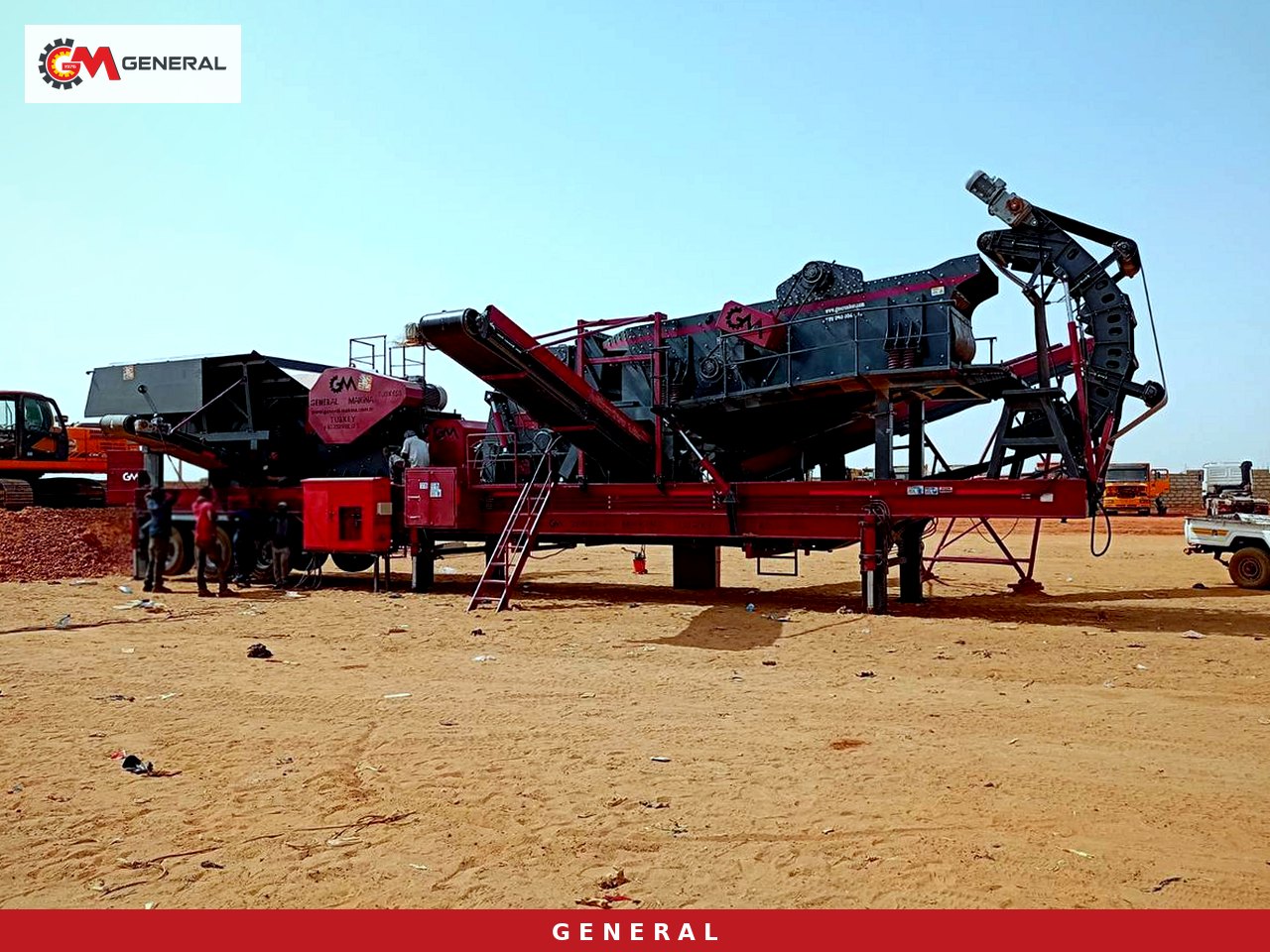
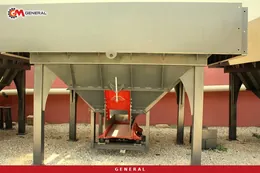
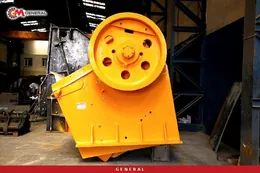
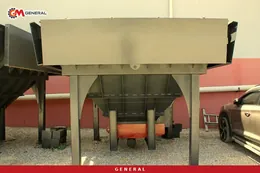
A crusher plant is not a single machine but a chain of stages that feed one another. The feeder passes run-of-mine material to the line at a steady rate, the primary crusher makes the first reduction of large pieces, secondary and tertiary crushers bring the material into the target size range, and the screen splits the product into its fractions.
Where the plant is used depends on the fraction it produces.
Road building calls for fill and sub-base material, concrete production for aggregate in defined ranges plus crushed sand, and railway projects for ballast. Being able to get all of these products from the same quarry depends largely on how the screening stage is designed.
In mining the expectation is different. The goal there is not to produce saleable aggregate but to bring the ore down to a size suitable for beneficiation, so keeping the size distribution narrow matters more than particle shape.
The main areas where crusher plants are used include:
- Mining crushing-screening and mineral processing plants
- Stone crushing and aggregate plants
- Urban renewal and recycling of building demolition waste
- Infrastructure works, organised industrial zones and dual carriageway projects
- High-speed rail, subway, natural gas pipeline and water-channel projects
- Hydroelectric and wind power plant construction
- Crushing tunnel and excavation material; processing marble, tile and concrete waste
Definitions of technical terms: Glossary