EN — English
 TR — Türkçe
 DE — Deutsch
 RU — Русский
 FR — Français
 ES — Español
 AR — العربية
 SR — Српски

Bearing Failures in a 200-300 TPH Crushing and Screening Plant
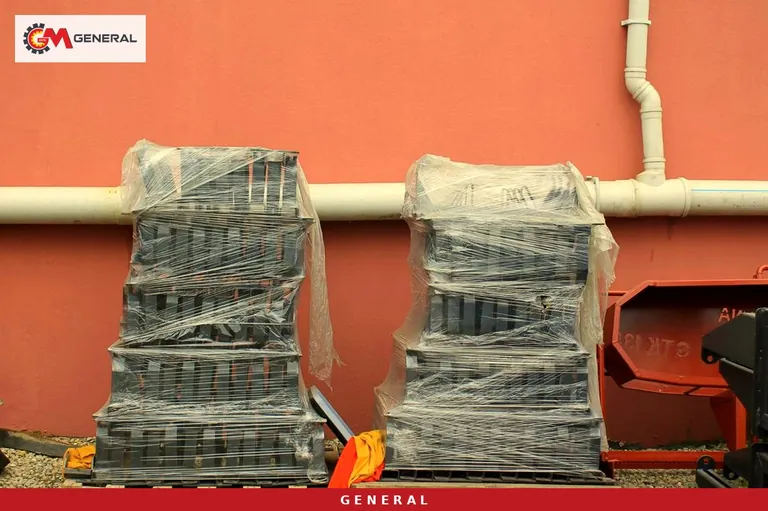
On a crushing and screening plant handling 200-300 tonnes per hour, a bearing rarely lets go without warning. Most failures leave tracks weeks in advance: a housing cap running a little warmer than usual, darkened grease purging from the seal, a dry growl from the screen when it runs empty. A crew that reads those tracks swaps the bearing during a planned stop. A crew that misses them ends up repairing the shaft, the housing and sometimes the frame as well. Below we walk through every bearing position on the line, from the feeder to the screen exciter, explain how to tell the symptoms apart and lay out a prevention routine you can actually run on site.
The model figures quoted here come from the tables on our product pages. Bearing type, grease quantity, relubrication interval and temperature limit are written in each machine's own maintenance manual, so do not carry those values over from one machine to another.
The quiet period before a failure
A rolling bearing lives as long as a thin oil film stays between the rolling elements and the raceways. Once that film thins out, metal-to-metal contact begins. Microscopic pits form on the surface first, and later those pits start to flake. This does not happen overnight. The time in between is the most valuable window a maintenance crew has, because the bearing is still turning, production keeps going and the replacement can wait for the next scheduled shutdown.
The mistake we see most often in the field is that the first symptom never gets written down. Someone says it is running a bit warm and they will keep an eye on it, and that is the end of it. Without records there is no trend to see. Measuring the same housing every shift, at the same spot, with the same instrument, and writing the value in a logbook or on the automation screen is the job to do long before anyone buys predictive maintenance software.
Where the bearings sit on a 200-300 TPH line and what they carry
A typical line in this capacity band consists of a feeder, a primary crusher, a secondary crusher where needed, one or two screens and the conveyors. The load on the bearing has a different character on each machine. In a jaw crusher the eccentric shaft bearings take a pulsating, shock-type compressive load. In an impact crusher the rotor shaft runs at high speed, and every mass difference on the rotor goes straight into the bearings. On a screen the load is constant vibration, so the bearing handles rotation and oscillating force at the same time. The table below lists equipment that falls into this tonnage band and shows where the bearings work.
| Equipment | Model | Capacity (t/h) | Main dimension | Power | Bearing position |
|---|---|---|---|---|---|
| Vibrating feeder | GNR 110 | 200-300 | 1100×4750 mm | 2x7.5 kW | Vibromotor or eccentric drive bearings |
| Primary jaw crusher | GNRK 110 | 200-350 | Opening 1100×850 mm | 110/132 kW | Eccentric shaft bearings |
| Primary impact crusher | GNR PDK02 | 200-300 | Rotor 1400×1200 mm | 200 kW | Rotor shaft bearings |
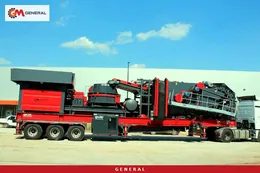
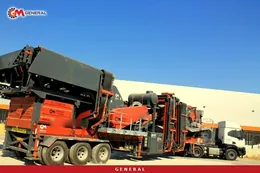
| Wheeled mobile plant | General 02 (GPS 1413) | 250-300 | Feed 1000 mm | 660 kVA generator | Rotor, screen and conveyor pulleys |
| Top-driven screen | ELK-U2050 | 100-400 | 2000×5000 mm, 3 decks | 2×15 kW | 2 bearing units, 2 screen bearings per unit |
| Circular vibrating screen | GNR 2050 | 100-400 | 2000×5000 mm | 18.5 kW | Eccentric shaft bearings |
In hard, abrasive rock the line usually starts with a GNRK jaw crusher, while in limestone an impact primary tends to be cheaper to run. That choice also changes how you look after the bearings. On a jaw crusher, watch housing temperature and grease contamination. On an impact crusher, watch rotor balance and vibration. Details on the other crusher types are in our crushers category.
Reading the symptoms correctly
Bearing failure symptoms get confused with other faults. A slipping belt, a loose bolt or a stone jammed in the crushing chamber will also make noise and vibration. To tell them apart, look at three signs together.
Temperature trend
A single high reading usually tells you very little. A difference between a summer afternoon and the first hour of the morning is normal. The real warning is a housing that runs slightly hotter day after day under the same ambient conditions, or one side running noticeably warmer than the opposite side. A freshly greased bearing heating up in the first few hours and then settling down is normal. If it never settles, look for overgreasing or a binding seal.
Character of noise and vibration
A healthy bearing runs with a steady hum. Once surface damage starts, the sound turns into a ticking or a growl and changes with speed. If the noise disappears when you cut the feed, the cause is most likely in the material flow. If it carries on running empty, check the rotating parts and the bearings. Hands-on vibration checks are done only on the housing and the mountings after the machine has been stopped and isolated. Nobody goes near the moving parts of a running crusher.
Grease, seals and leakage
The colour of grease purging from the housing cap tells you something. Dark grey or black grease may be carrying metal particles. Grease that feels gritty with fine rock dust means the seal is no longer doing its job. If water or mud is coming through the labyrinth seal on a wash plant, the oil film can break down at any moment.
How bearings get to the point of failure
Most of the bearing damage we inspect in the field comes from the operating environment and maintenance habits, not from how the bearing was made. Fitting a new bearing without finding the cause just means living through the same failure again a few months later.
Contamination and wrong lubrication
Quarry dust is the bearing's most insidious enemy. Every stroke of a grease gun whose nozzle was not wiped pushes a little dust into the housing. Too much grease does as much harm as too little: when the housing is packed full, the grease churns, heats up and strains the seal. Mixing greases with a different consistency or a different thickener can break down the lubricant structure. Stick to the grease grade and quantity in the manual, and if you switch products, clean out the old grease first.
Extra load from worn parts
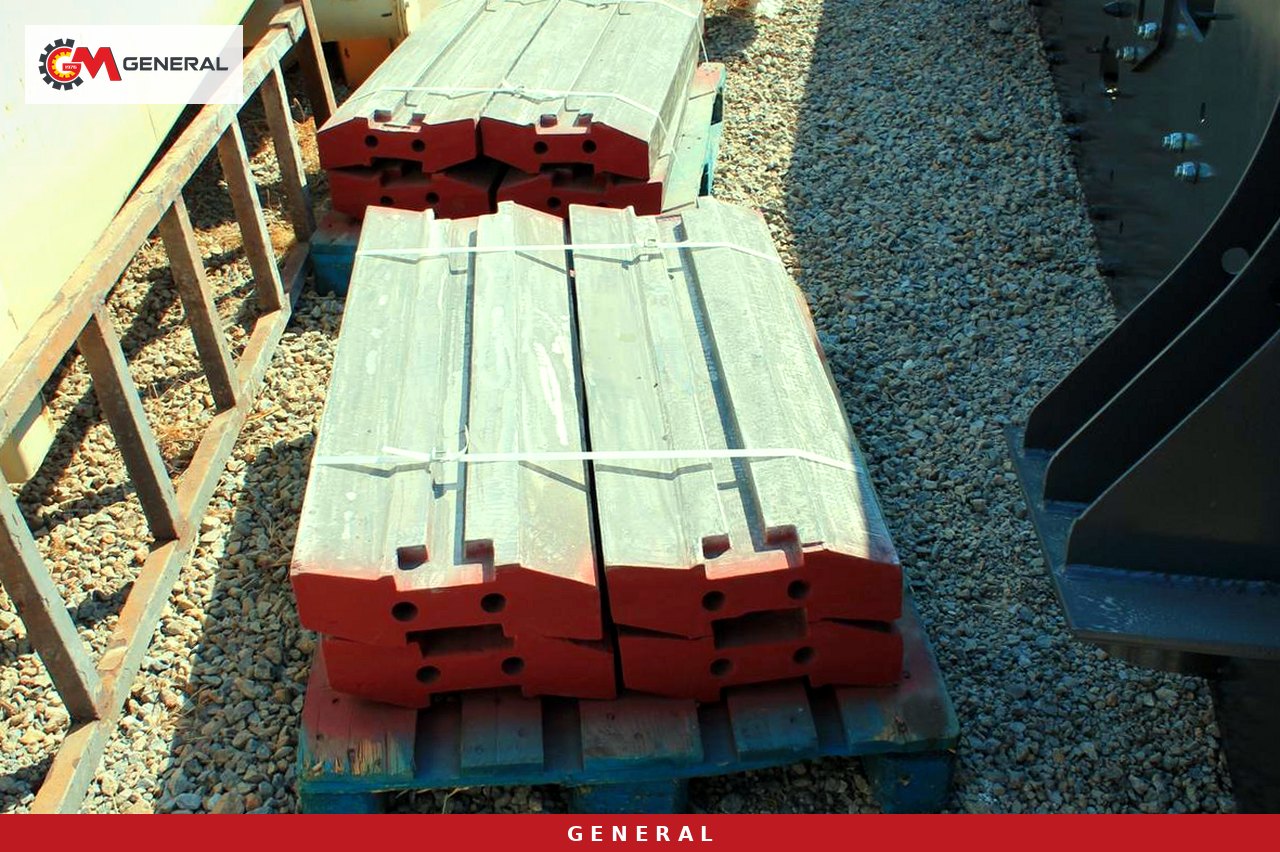
On an impact crusher, a broken blow bar or a set matched with unequal weights makes the rotor run out of balance, and that imbalance hammers the rotor shaft bearings on every revolution. On a jaw crusher, worn jaw plates and a narrowed crushing cavity raise the compressive load on the eccentric bearings. Uncrushable tramp metal entering the chamber, such as a bucket tooth or a drill bit, leaves a sudden impact mark in the bearing. Replacing wear parts on time and as complete sets belongs to bearing maintenance just as much as greasing does.
Fitting and alignment errors
Driving a bearing onto the shaft with a hammer leaves nicks in the rings that you cannot see. Misaligned pulleys and overtensioned belts put a constant side load on the housing. On mobile plants, if the ground is not prepared properly, the chassis flexes while running, and that flex throws the screen and crusher bearings out of alignment. That is why, on a single-chassis plant such as the General 02 weighing 76,000 kg, getting the support legs onto flat, load-bearing ground matters for bearing life as well as for safety. Model details are on the General 02 product page.
Bearing life in the screen exciter
In the 200-300 TPH band, screen bearings spend more hours under vibration than crusher bearings do. On a top-driven screen, short shafts carrying eccentric weights are linked by cardan shafts, and each bearing unit holds 2 special screen bearings. The number of bearing units depends on screen area: screens smaller than 14 m² use 2 units, larger ones use 4. In practice that means 2 units and 4 bearings in total on the 2000×5000 mm ELK-U2050, and 4 units and 8 bearings in total on the 2400×6000 mm ELK-U2460. Base your spare bearing stock on those numbers. The full model list is on the top-driven screen page and in our vibrating screens category.
The main thing that overloads screen bearings is mass added to the screen body. With wet, clayey feed, mud packing between the wires increases the vibrating weight of the screen. A loosely fixed wire panel striking the body on every stroke also sends irregular loads into the bearings. Setting up the tensioning arrangement completely during a mesh change and cleaning built-up material off the body have a direct effect on how often you replace bearings.
A prevention routine from shift checks to overhaul
A prevention routine has to be simple enough for the crew to follow every day. The list below summarises what we recommend to site teams on 200-300 TPH lines. Adjust the intervals to your own machine's manual.
- At the start of every shift, measure crusher and screen housing temperatures at the same spot and log them.
- Wipe the nipple and the gun nozzle before greasing, and never exceed the quantity given in the manual.
- On the weekly walk-round, check around the seals for dust, mud and grease purging.
- Check belt tension and pulley alignment monthly, and change belts as matched sets.
- Replace blow bars and jaw plates as complete sets, and weigh and match the parts on an impact rotor.
- Check screen mesh tension and material build-up on the body at every stop.
- Inspect every bearing you remove before scrapping it, and record the type of damage mark.
On automated lines, part of this monitoring can move onto the screen. In our automation and control system, temperature and vibration sensors are among the field instruments. When crusher current approaches the threshold, the feeder slows down, and the alarm history is logged. Which bearing gets a sensor and at what threshold is decided together during the project.
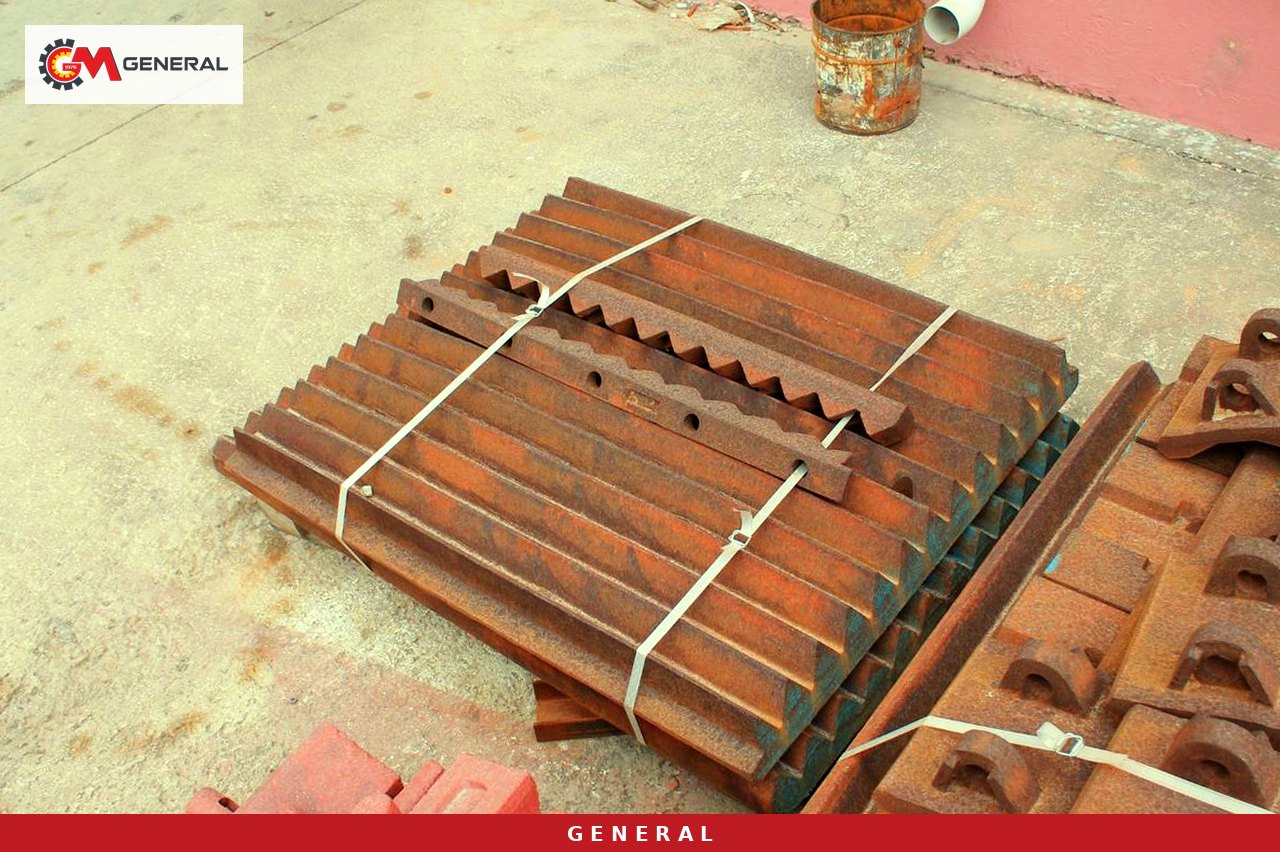
On the spare parts side, keeping the seals, bushings and grease nipples that should be changed along with the bearing in the same kit shortens downtime. For wear parts and other spares, see our spare and wear parts category.
Frequently asked questions
Should I stop the machine straight away if a bearing is running hot?
Yes, if the temperature is approaching the limit in the manual or climbing quickly over a short time. If it is a slow rise, you can keep producing until the planned stop and take readings more often. The decision always rests on the values in the machine's manual.
When one bearing fails, should the one on the opposite side be replaced too?
On screen bearing units and on the rotor shaft, replacing pairs together is usually the better call, because both have carried the same load for the same time. Decide by looking at the damage marks on the removed bearing. If it shows contamination, the other bearing has been working in the same conditions.
Is a bearing failure covered by the warranty?
Our machines carry a 1-year warranty, excluding wear parts. How a bearing failure is assessed depends on its cause, so keeping regular lubrication and temperature records makes things easier for both sides. Detailed terms are set out in the quotation and the contract.
Can we extend the relubrication interval ourselves?
The interval in the manual is for standard operating conditions. On a very dusty, hot or wet site you may need to shorten it rather than extend it. Before changing anything, monitor grease condition and the temperature log for a few weeks and share them with us.
A final note for the maintenance crew, and a quote
On 200-300 TPH lines, a bearing failure is usually the result of contamination, an unbalanced rotor or a loose screen mesh. Logging temperature every shift, greasing cleanly and changing wear parts as complete sets turns most of these failures into planned stops. General Makina has been building crushers, screens and complete plants in Izmir since 1976. For spare bearings, wear parts or a new line for our ISO 9001 and CE certified machines, send us your material type and target capacity through our contact page, and our team will prepare a quotation that fits your project.
Definitions of technical terms: Glossary