EN — English
 TR — Türkçe
 DE — Deutsch
 RU — Русский
 FR — Français
 ES — Español
 AR — العربية
 SR — Српски

Africa Operator Training & Commissioning: Aggregate Crusher Plant 100-200 TPH
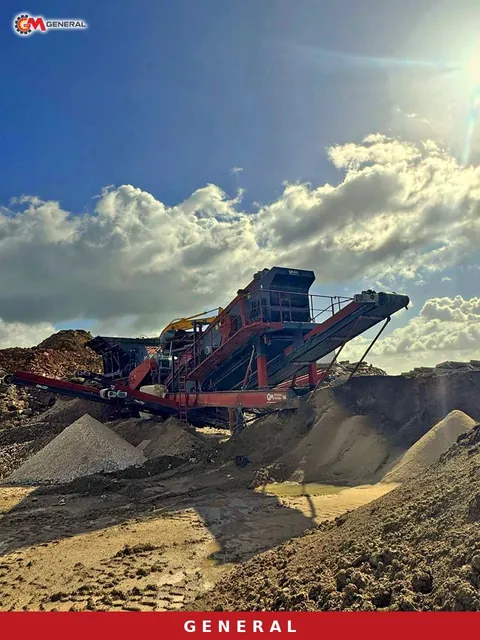
How a new crushing and screening plant performs in Africa during its first months depends less on the machine itself than on what the operating crew learns, and how, during commissioning week. A mobile plant in the 100-200 TPH range is a single chain made up of generator, feeder, crusher, screen and stockpile conveyors, and the weakest link is very often an untrained loader driver or a shift that skips filter cleaning. This article walks through commissioning on African sites stage by stage, breaks training down by role, and uses the data on our product pages to compare the extra learning load each model places on the crew.
General safety rules and personal protective equipment are covered in a separate post: Mobile Crusher Operator Training and Safety Standards. Here the focus is the period when a new plant goes into production on site for the first time, and the decisions specific to that period.
Commissioning is three separate layers of testing
A common buyer mistake is to treat commissioning as the day the machine first crushes rock. In a sound process the plant passes two separate checks before it sees any material, and only once those are signed off is it loaded with quarry feed. Each layer narrows down the source of any fault that might appear in the next.
Mechanical and electrical checks: plant at standstill
Once the chassis support legs are set on the ground, levelling is checked; a screen that sits out of level piles material to one side and wears the screen mesh unevenly. Belt tensions, bolt torques, oil levels, conveyor tracking and emergency pull-cords are verified one by one at this stage. Cable connections between generator and plant panel, earthing and motor rotation directions are also checked while the machine is empty; a conveyor motor running backwards, if noticed only under load, can damage the belt and the frame together.
No-load running and stepwise loading
All units are run without material while bearing temperatures, vibration and unusual noises are watched. Feeding then starts at a low rate and is increased step by step. Meanwhile the operator sees with his own eyes how crusher current, screen deck load and conveyor spill points change. These are the most valuable minutes of training: the settings in the manual are matched to the behaviour of real material.
Performance verification
In the final layer the plant runs without interruption for a set period on the actual site material and the target product fractions. Tonnage measured by weighbridge or truck count, sieve analysis and particle shape are recorded. The protocol must state under which feed conditions (size, moisture, clay content) these values were measured; otherwise there is no reference point if capacity is ever disputed.
Where training effort goes on 100-200 TPH models
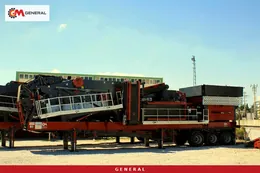
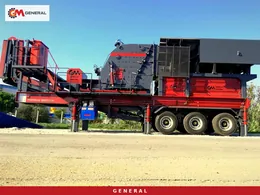
This range offers several wheeled mobile crushing plant options, and each brings a different learning load. On an impact line, rotor speed and blow bar monitoring dominate; on a jaw-and-cone line, closed-circuit operation and setting measurement come first. The values in the table are taken from our product pages.
| Model | Capacity | Crusher layout | Max. feed | Screen | Generator | Weight | Key training topic |
|---|---|---|---|---|---|---|---|
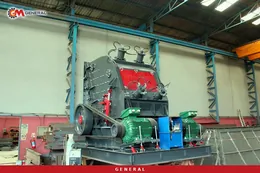
| General 800 | 80-150 t/h | PDK 1280 primary impactor | 600 mm | 1300×4000 mm, 3 decks | 450 kVA | 35,000 kg | Turning and replacing blow bars, safe access to the rotor area |
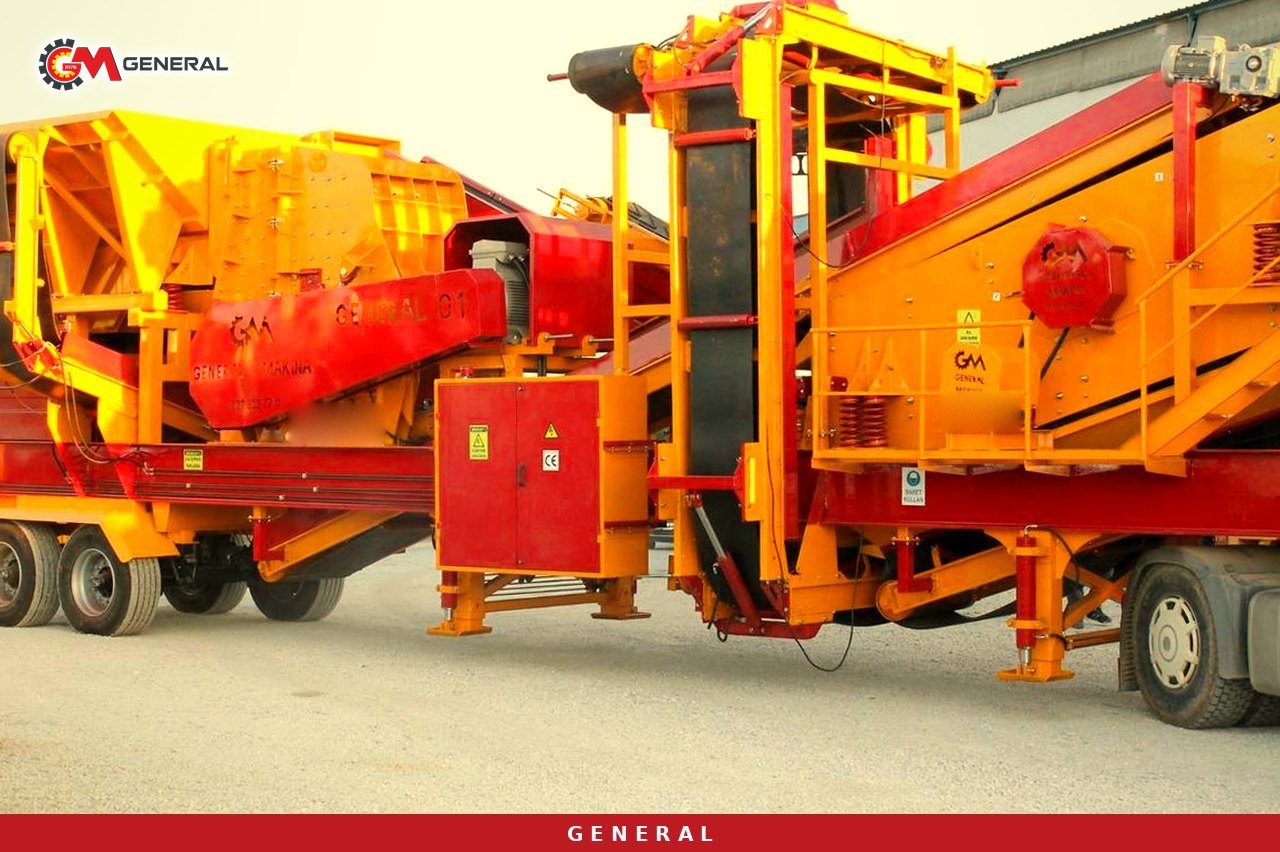
| General 01 | 120-180 t/h | GPS 1210 impactor (primary + secondary) | 700 mm | 1600×5000 mm, 4 decks | 550 kVA | 55,000 kg | Setting two stages in one housing, balancing fractions on a 4-deck screen |
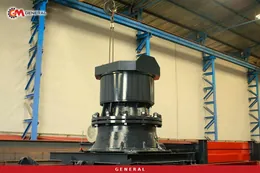
| General 944 | 120-180 t/h | GPJ 90 jaw + GM430 cone | 800 mm | 1600×5000 mm, 3-deck horizontal | 550 kVA | 70,000 kg | Choke-feeding the cone, setting measurement, return conveyor |
| General 950 | 120-180 t/h | GPJ 90 jaw + DMK01 impactor | 800 mm | 1600×5000 mm, 3-deck horizontal | 600 kVA | 70,000 kg | Tracking wear on two different crusher types, cubical product setting |
| GM 100 (tracked) | 100-180 t/h | GNR-01 impactor, 160 kW | 600 mm | 1500×5500 mm, 3 decks | 450 kVA | 42,000 kg | Tramming on tracks, relocating safely on site |
In abrasive rock such as granite, basalt or quartzite, the main thing an operator must learn on a jaw-and-cone layout like the General 944 is never to starve the cone; a half-empty cone wears its liners unevenly and the product turns flaky. On impact lines like the General 01 preferred for low-abrasion material such as limestone, the priority skill is reading how blow bar wear shifts the grading curve. Which layout suits your quarry should be decided by laboratory results on samples taken from the deposit.
Topics to add to the training programme on an African site
Conditions vary from limestone quarries in the north of the continent to volcanic basalt sites in the east and granite and laterite areas in the west, yet three subjects deserve their own training module in almost every African commissioning.
Generator and power discipline
At quarries far from the grid the plant runs on its own generator, and that generator is the heart of the whole line. Operators should be shown in practice the sequence in which motors are started, which unit is stopped first under load, and how fuel quality affects filter life. How fuel is transferred to the tank and through which filtering arrangement, and when the water separator is drained, should be set out in a written instruction.
Dust, heat and filter care
In hot, dusty climates air filters, radiator cores and panel cooling inlets clog much faster than in temperate regions. Training should show one by one how these points are checked at the start of each shift, from which direction compressed-air cleaning is done, and which filters must be replaced rather than washed. If dust suppression nozzles are fitted at conveyor transfer points, nozzle blockage and water pressure checks belong in this module too.
Clayey and lateritic feed
The lateritic overburden common in West and Central Africa, and material that turns wet in the rainy season, cause blinding on the grizzly feeder and on the screen deck. An operator who knows how to watch the by-pass grizzly, reduce the feed rate when blinding starts and keep stripping material separate at the quarry face protects the crusher from needless load and unplanned stoppages.
Role-based training: who needs to know what?
Training a single “operator” is not enough. A 100-200 TPH line has at least four roles, each needing its own set of skills. Where staff turnover is high, training at least two people per role keeps the plant from depending on one person.
- Plant operator (control): start-up and shutdown sequence, crusher setting, reading current and temperature gauges, first response to alarms.
- Loader or excavator operator: steady feeding without overfilling the hopper, separating oversize blocks and tramp iron, a rhythm that keeps the crusher mouth full.
- Maintenance technician: greasing points, belt and V-belt tension, screen mesh changes, lifting and lockout steps when changing jaw plates, blow bars or cone liners.
- Electrical and generator lead: panel lockout-tagout, what the motor protection relays mean, daily generator checks.
If the crew speaks several languages, printing control panel warnings and checklists in the team's common working language should be discussed at quotation stage.
What to verify before signing the handover protocol
The handover document is the starting point for warranty and every later technical discussion. Before signing, each of the following should have been demonstrated on site and recorded:
- Every emergency stop button and conveyor pull-cord was tested individually and the plant stopped each time.
- Guards and belt covers are in place; none was removed during commissioning and forgotten.
- Tonnage measured on real quarry material is written down together with feed size and moisture.
- Sieve analysis of a sample from each product fraction is on record.
- The greasing and oil change schedule has been read and understood by the site crew.
- The first wear parts kit (jaw plates, blow bars or liners, screen mesh) is on site and identified.
- Names of the staff trained per role and the topics covered are listed.
- It is written down whom to contact in case of a fault, through which channel and with what information (photo, alarm code, running hours).
The first period after training: holding performance
The commissioning team leaving the site is not the end of learning. The first wear part change is when the crew applies what it saw in training on its own for the first time, and most mistakes happen there. Keeping a photo log of the steps and noting part dimensions during that first change makes it easier to order the right part next time. For original wear and spare parts, see our crusher wear and replacement parts page.
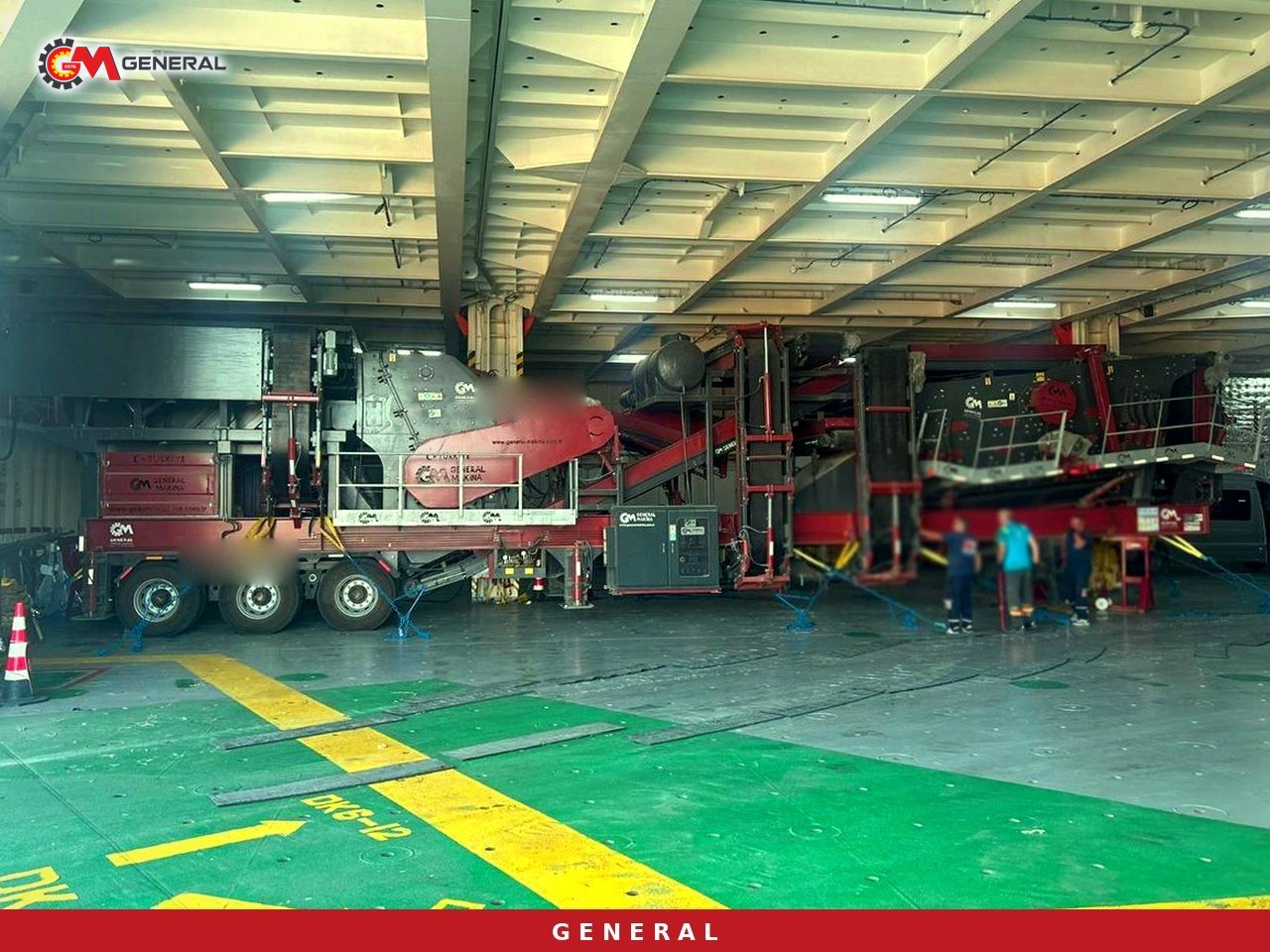
Examples from our deliveries in Africa show what this range looks like in the field: the General 01 mobile crusher in Algeria, a 150 t/h project and the GNR 944 hard-stone crushing and screening plant, 120-150 t/h, in Africa. On both project pages capacity is defined for the material on that site; rather than assume the same figure for your quarry, have it assessed on samples.
A daily log book is the cheapest and most effective tool in this period: running hours, tonnage crushed, stoppages and their causes, wear observations. A few weeks of records also show clearly which operator needs refresher training on which topic.
Frequently asked questions
Are commissioning and training included in the quotation?
The scope is defined per project and should be written into the quotation: whether it is done on site or remotely, how many people and which roles are trained, and the language of the documents. Rather than proceed on verbal assumptions, we recommend adding these items to the contract.
Our operators have used another brand before; do they still need training?
Yes. Crusher type, adjustment method, control panel logic and greasing points differ from model to model. An experienced crew moves faster because it knows the basics, but model-specific settings and lockout steps must still be demonstrated again.
If the target is 200 TPH, is one plant enough?
The upper limit of the wheeled models in the table is around 180 t/h. If 200 t/h is required continuously, a larger model or a two-unit arrangement should be evaluated depending on the material. That changes the training plan too: feed and stockpile balance between two units must be taught as a separate topic.
What is the most common mistake during training?
Feeding the crusher intermittently. When the hopper empties and refills, the crusher cycles between overload and idling; capacity drops and product shape suffers. Communication between the loader driver and the plant operator is a skill that has to be practised deliberately during commissioning.
Conclusion
The value of a 100-200 TPH mobile plant in Africa is directly linked to what the crew learns during commissioning week. Three-layer testing, role-based training, modules added for climate and material, and a complete handover protocol prevent unplanned stoppages in the first months. Contact us with your quarry material, target fractions and crew structure, and we will prepare a quotation covering the right model and commissioning scope together.
Definitions of technical terms: Glossary