EN — English
 TR — Türkçe
 DE — Deutsch
 RU — Русский
 FR — Français
 ES — Español
 AR — العربية
 SR — Српски

Dust Suppression Options for a 100-300 TPH Aggregate Crushing Plant
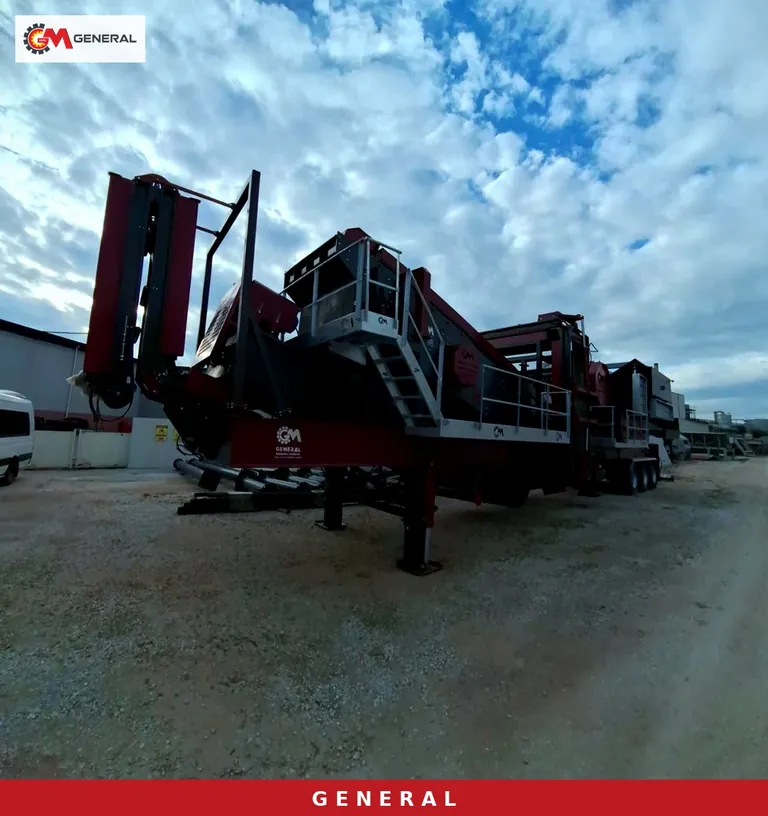
On an aggregate line running between 100 and 300 tons per hour, dust does not come from one place. The crusher mouth, the screen box, the conveyor transfers and the top of the stockpile each throw off dust, and each needs a different fix. This article puts the four suppression routes used on real sites side by side: water spray through nozzles, dry fog, enclosure with extraction filters, and machine choices that cut dust at the source. We cover where each one fits, what it costs you in water and maintenance, how it affects the product, and how it matches our actual models in the 100-300 TPH range.
What drives the dust load on a crushing line
Two plants of the same capacity can produce very different amounts of dust. The difference comes less from machine size and more from the material and the line layout. Before we size a suppression system at quotation stage, we pin down the following variables.
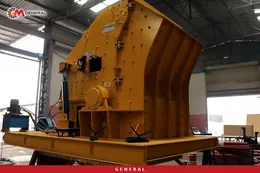
Natural moisture of the material comes first. Dry limestone straight from the face and river gravel that has been rained on are night and day as far as dust goes. The second variable is the share of fines and clay in the feed: the more soil in the run-of-mine, the more dust goes airborne, unless it is separated before the crusher. Third is the crushing principle. Impact crushers and vertical shaft impactors break rock by throwing it, and they make plenty of fines; a cone crusher works by compression and releases less dust. Fourth is drop height: the further material falls from one belt to the next or onto a pile, the bigger the dust cloud. Wind direction and distance to housing then set the level of suppression you need. What is enough on a remote site will not be enough at a quarry near a village.
That is why we do not hand out a ready recipe like "this many nozzles for 300 TPH". The suppression plan is drawn from a sample and a site layout. We recommend having the moisture content and fines share of your material measured in a laboratory.
Wet suppression: nozzle lines and water management
The most common method is spraying water through nozzles at the points where dust is released. The system consists of a pump, a filter, a manifold, solenoid valves and nozzle groups. It is simple to install, the parts are available almost anywhere and operators learn it quickly. Its weak side is that it adds water to the product. If you produce manufactured sand or concrete aggregate, excess water leads to blinded screen decks and lumping of the fine fraction.
Where to put the nozzles
With wet suppression, nozzle placement matters more than nozzle count. At the crusher feed opening, water is sprayed onto the incoming material so the fines generated during breakage stick to a wet surface. On the crusher discharge belt, the nozzle faces the area just behind the falling curtain of material. Spraying water onto the screen usually backfires: fine material sticks to the wire cloth and screening efficiency drops. If the screen is the dust problem, cover the screen box first and then add suppression at the discharge chutes. At the head end of stockpile conveyors, aim at the point where material lands on the pile.
Water quality, freezing and automation
The most frequent nozzle failure is clogging. If you use borehole or pond water, a fine filter at the pump inlet is a must. On sites with frost risk in winter, plan drain valves on the line and heat tracing cable if needed. When water keeps spraying while no material is moving, mud builds up on belts and on the chassis. To prevent this, the solenoid valves are tied to the conveyor run signal. The PLC in our automation and control system can be programmed with the sequential start logic so that only the nozzles of running conveyors open.
Dry fog, enclosures and extraction filters
Where you do not want to add water to the product, or where water is scarce, wet suppression alone does not fit. In that case three methods are considered, together or separately.
Dry fog units
Dry fog uses compressed air and water to produce very fine droplets. Because the droplet size is close to that of the dust particles, it captures airborne dust and drops it out without noticeably wetting the material. It works well at enclosed or semi-enclosed points, for example above the crusher feed hopper or at a covered conveyor transfer. In open air the wind disperses the fog and efficiency falls. Because of the compressor and the sensitive nozzles, it needs more maintenance discipline than a plain spray system. Dry fog is not standard equipment on General Makina plants; it is an option that can be selected and integrated per project.
Enclosures and belt covers
The cheapest way to suppress dust is to keep it from getting out in the first place. Rubber-curtained covers on transfer chutes, a dust cover on the screen box and half or full covers along the belt serve this purpose. On our conveyor systemsprimary and secondary belt scrapers are standard; they reduce the fines that stay stuck to the return strand, fall to the ground and get lifted by the wind. Enclosure also raises the efficiency of wet suppression and dry fog, because it cuts the airflow.
Extraction filters
Drawing air from enclosed points and passing it through a bag or cartridge filter gives the highest capture rate, but it also demands the most energy and maintenance. It is the usual choice on stationary plants, especially on lines where fine product is bagged or where housing is very close. On mobile plants, the fan and filter group needs its own chassis, and the ducting has to be reconnected after every move. If the captured dust can be sold as filler, the method pays back part of its own cost.
Machine choices that cut dust at the source
Every suppression system deals with dust that has already formed. Choose the machines well and there is less dust to suppress from the start.
Step one is keeping soil out of the crusher. The vibrating grizzly feeder delivers run-of-mine up to 1500 mm to the crusher at a steady 75-600 t/h, and its grizzly bypass section separates fines and clay before the crusher. That fine fraction goes onto a separate belt, and if needed only that belt is suppressed. Clay that would have been ground to powder inside the crusher never gets the chance.
Step two is matching the crushing principle to the rock. The compression action of cone crushers lowers both the dust share and wear. The General 944 pairs a GPJ 90 jaw primary with a GM430 cone secondary; in hard, abrasive rock it pays off in wear part life and in dust. In soft rock such as limestone, an impact crusher is more economical and gives a cubical product, but in return the feed and discharge points need more suppression.
Step three is a steady feed rate. When a crusher runs empty and then gets flooded, you get a burst of dust. Frequency drives in the automation system balance feeder speed against crusher load; the chamber stays full and even, and dust output becomes more predictable.
Suppression points on our 100-300 TPH models
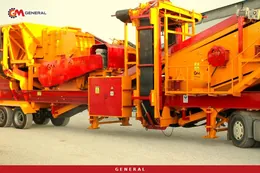
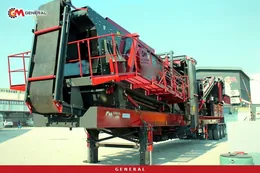
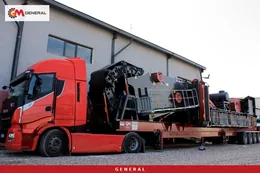
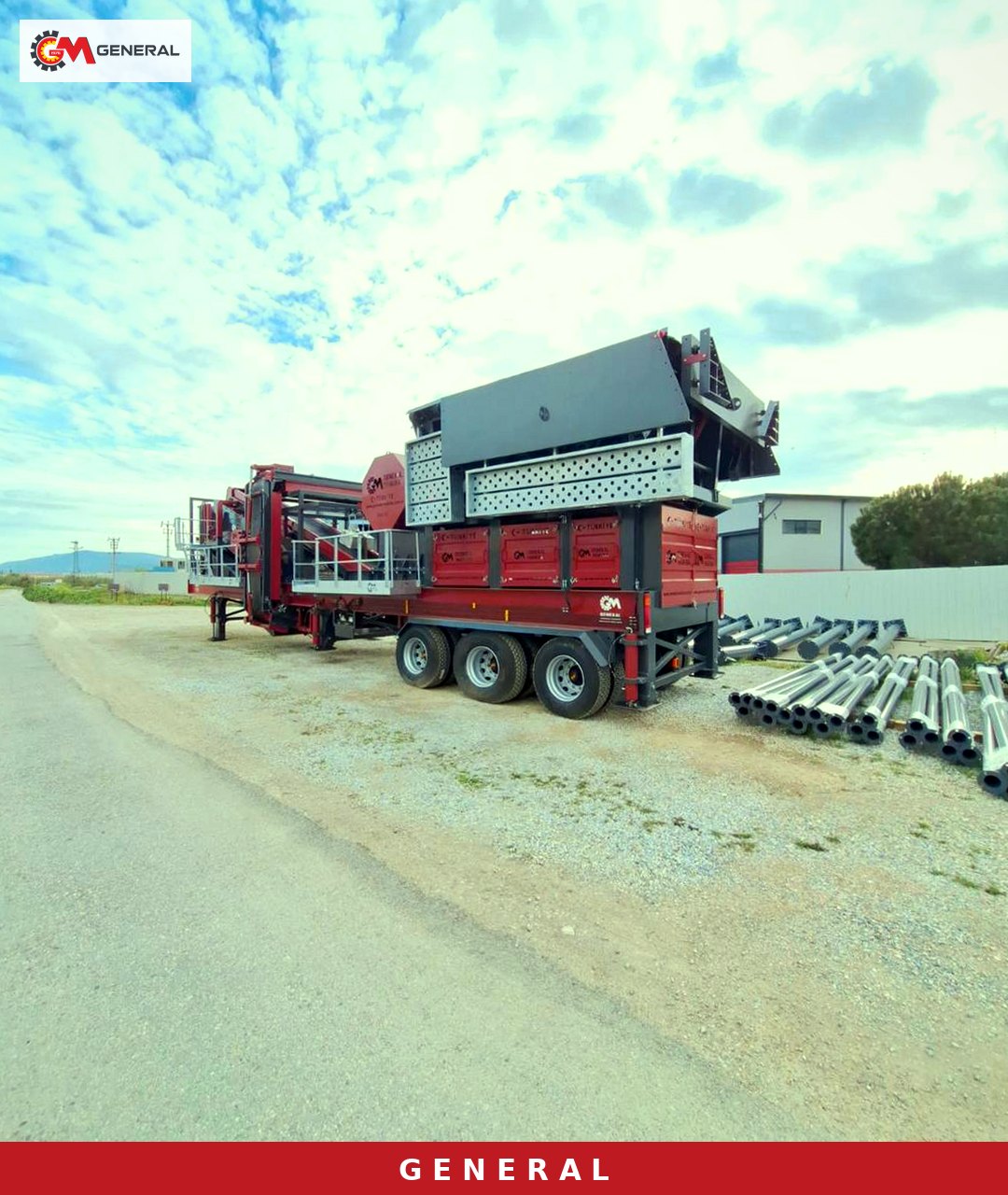
The table below lists the values from the product pages of our models in this capacity band, along with the point on each where suppression should be concentrated. A single unit covers 100-180 TPH. In the 200-300 TPH band, the General 02 or the GNR-MC110 are the main candidates. The full range is on our mobile crushing plants page.
| Model | Capacity | Max. feed size | Crusher(s) | Screen | Generator | Where to concentrate suppression |
|---|---|---|---|---|---|---|
| General 01 | 120-180 t/h | 700 mm | GPS 1210 impact | 1600×5000 mm, 4-deck | 550 kVA | Impact crusher discharge and screen discharge chutes |
| General 944 | 120-180 t/h | 800 mm | GPJ 90 jaw + GM430 cone | 1600×5000 mm, 3-deck | 550 kVA | Feed hopper and 0-5 mm stockpile conveyor |
| General 02 | 250-300 t/h | 1000 mm | GPS 1413 impact | 2000×5000 mm, 4-deck | 660 kVA | Crusher discharge, closed-circuit return belt, screen |
| GNR-MC110 | 200-300 t/h | 900 mm | GPJ 110 jaw + DMK03 impact | 2000×6000 mm, 4-deck | 750 kVA | Transfer between the two chassis and secondary discharge |
| Mobile VSI tertiary unit | 60-250 t/h | 0-200 mm | Vertical shaft impactor (VSI) | — | — | Rotor discharge and 0-10 mm sand conveyor |
The General 02 runs in closed circuit, so oversize returns to the rotor. That return belt can be one of the longest drop points on the line and should not be left out of the suppression plan. On the GNR-MC110, the primary and secondary sit on two separate chassis. The link conveyor between them gets longer or shorter depending on site layout, so the enclosure at that transfer is worked out for each site.
The manufactured sand line is a separate case
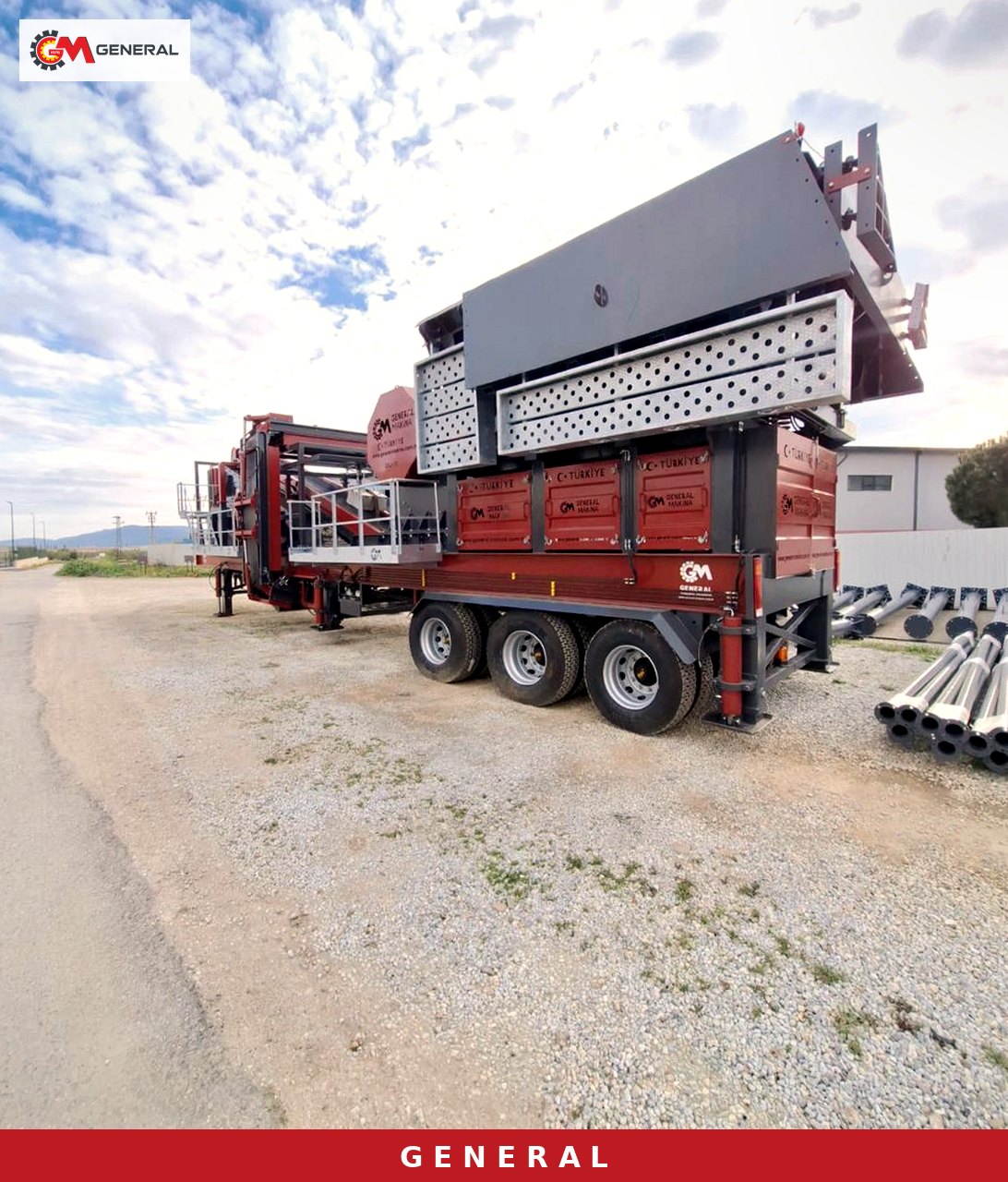
The mobile VSI tertiary unit turns screen oversize into 0-10 mm manufactured sand. Its rock-on-rock principle gives the finest product on the line, so this is where dust is felt most. Wet suppression at this point raises sand moisture, which may be unwanted in product going to a concrete batching plant. Dry fog combined with an enclosed rotor discharge is a better pair. If you plan to wash the sand, the dust problem solves itself in the washing line, but that turns into a water and slurry management project.
Comparing the options and a commissioning checklist
| Method | Water demand | Effect on product moisture | Maintenance load | Best location |
|---|---|---|---|---|
| Nozzle water spray | High | Noticeable | Low, filter cleaning | Crusher feed, stockpile discharge |
| Dry fog | Low | Very little | Medium, compressor and nozzles | Enclosed transfers, above hoppers |
| Enclosure and covers | None | None | Low, curtains and seals | Conveyor transfers, screen box |
| Extraction filter | None | None | High, bags and fan | Stationary lines, fine product points |
| Reduction at source | None | None | Regular machine maintenance | Feeding and crushing stages |
In practice one method rarely does the job alone. The setup we install most often on site looks like this: nozzle spray at the feed and primary discharge, enclosure plus dry fog on the fine product side, and curtained covers at conveyor transfers. When commissioning the system, run through these checks:
- Have the natural moisture and fines share of the material been measured from a sample?
- Are the water source, its flow rate and quality known, and is there a filter at the pump inlet?
- Are the nozzle valves wired to the conveyor run signal?
- Is the screen kept dry, with the screen box covered?
- Are curtained covers and belt scrapers fitted at the transfers?
- Are drain valves and frost protection planned for winter?
- Have stockpile locations been chosen with the prevailing wind direction in mind?
- Have operators been shown how to clean nozzles and change filters?
Frequently asked questions
Does the dust suppression system come with the plant?
On our mobile plants, suppression equipment is specified separately with the order, because it depends on each site's water, material and layout. A nozzle line, dry fog or covers can be selected per project and integrated into the plant.
Can wet suppression be used when producing manufactured sand?
It can, but sand moisture goes up and screen blinding may appear. If the sand is going to a concrete batching plant, dry fog with enclosure is the better fit. The final decision follows the specification for the end use of the sand.
Does choosing a cone crusher solve the dust problem?
Compression crushing makes fewer fines, so it lowers the dust load, but it does not remove it. Conveyor transfers and stockpiles still need suppression. A cone secondary makes sense in hard rock anyway; in soft limestone, an impact crusher with a well-built suppression plan can be the more economical route.
How is the cost of a suppression system determined?
The number of points, the chosen method, the distance to the water source, the climate and integration with the automation system set the cost. Share these details with your site layout and we will add suppression as a separate line item in the plant quotation.
Final notes
On a 100-300 TPH aggregate line, dust suppression is not finished by buying one device. Removing clay at the grizzly, choosing the right crusher for the rock and holding a steady feed rate cut dust from the start. What remains you suppress point by point with water, dry fog, enclosure or filters. Our team has built crushing and screening plants since 1976; we look at your material sample and site plan and work out the model and the suppression points with you. All machines carry ISO 9001 and CE certification. Send us your capacity, material and site details and contact us for a quotation.
Definitions of technical terms: Glossary