EN — English
 TR — Türkçe
 DE — Deutsch
 RU — Русский
 FR — Français
 ES — Español
 AR — العربية
 SR — Српски

How a Bentonite Milling Line Works: Drying, Grinding, Classifying and End Uses
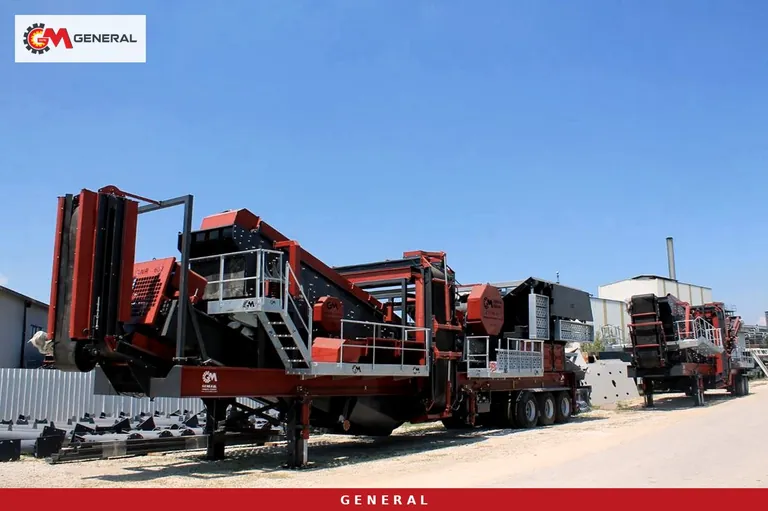
A bentonite grinding plant is the production line that first dries the bentonite taken from the quarry and then mills it down to the target fineness. The best-known use of this mineral is drilling: bentonite thickens the drilling mud so that the cuttings produced while boring are carried up to the surface, and it stops water from escaping in the well.
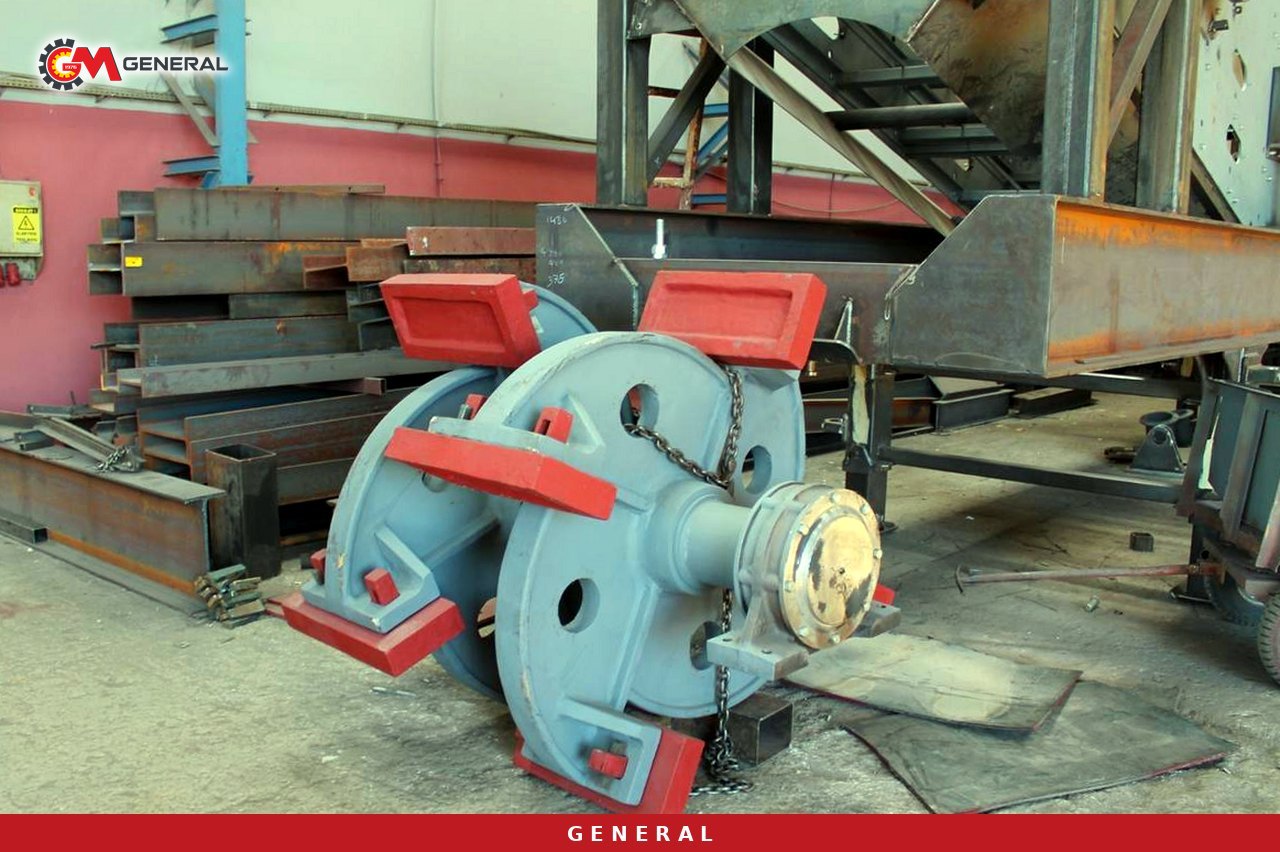
A line that processes bentonite does not look like an aggregate line. With this clay-type material the aim is not to break lumps but to remove moisture and turn the material into powder, so the dryer and the classifier shape the result as much as any crusher. A typical line is made up of feed silos, a pendulum mill, a drying oven and bag filling machines.
Moisture is the most sensitive variable on the line.
Clay that arrives wet from the quarry forms lumps inside the mill and blinds the screen openings. That is why the drying stage is placed ahead of grinding: whether the product reaches its target fineness depends on bringing its moisture down first.
Beyond drilling, bentonite has a wide range of uses: binder in foundry sand, cat litter, sealing of dam foundations and ground, iron ore pelletising, animal feed, bleaching of edible oils, clarification of wine and fruit juice, an additive for cement and ceramics, and wastewater treatment are some of them. Since each of these calls for a different fineness, the moisture of the material and the target fineness decide which stages the installation will need.
Definitions of technical terms: Glossary