EN — English
 TR — Türkçe
 DE — Deutsch
 RU — Русский
 FR — Français
 ES — Español
 AR — العربية
 SR — Српски

Zimbabwe Gold & Platinum Mobile Crushing & Screening Plant 100-200 TPH
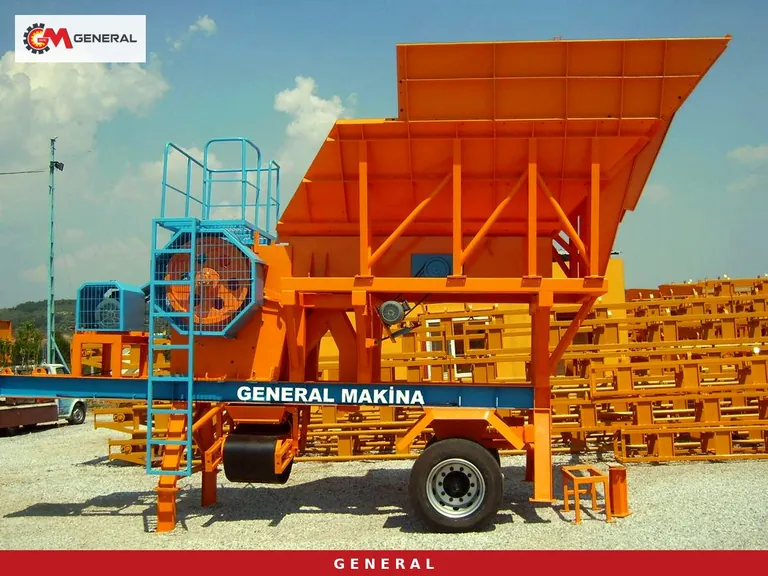
A mine in Zimbabwe looking for a crushing and screening plant usually has one of two ores in front of it: quartz-vein gold from the greenstone belts, or the platinum group metal (PGM) reef running along the Great Dyke. Both are hard and both are abrasive, yet they wear a crusher in different ways, call for different intermediate product sizes and create different problems on site. This article explains which mobile crushing and screening plant suits a gold or platinum operation targeting 100-200 TPH, and why, using real models whose catalogue figures are published.
Do quartz veins and platinum reef stress the same crusher?
From a crusher's point of view, gold-bearing quartz vein is one of the toughest feeds there is: silica content is high, and it consumes jaw plates and rotor hammers quickly. The host rock that comes with it, whether greenstone, schist or banded iron formation, can behave quite differently from the vein in terms of hardness. The result is that the character of the feed entering the crusher changes often within a single shift.
Platinum is a different picture. Mineralisation on the Great Dyke sits as a thin zone inside dark, dense, tough rocks such as pyroxenite, often accompanied by chromitite bands. This material is not as brittle as quartz; it absorbs energy and needs pressure for longer inside the crusher. Because it is dense, the same volume carries more tonnes, so feeder, conveyor and crusher capacity must be calculated by tonnage, not volume.
For both ores, compression machines (jaw primary, cone secondary) stand out on wear-metal life. An impact secondary is worth considering in the weathered, softened near-surface zone and where a high reduction ratio is needed. That distinction forms the backbone of the model selection below.
What will the crusher receive? Three facts to collect on site
Before any model is discussed, three pieces of site information are needed. The first is the largest block size after blasting; the jaw crusher's feed opening is chosen to match it. The second is which zone the ore comes from: the oxide zone near surface can be clayey and wet, while fresh rock at depth is hard. The third is where the crushed product goes; feed for a milling circuit, a heap leach pad or a concentrator each calls for a different top size.
Rock properties vary noticeably between Zimbabwean sites; a gold pit around Kwekwe, Shurugwi or Bindura and a platinum site on the Great Dyke will not run on the same crusher settings. For that reason we recommend compressive strength and abrasion testing on representative samples before ordering. Test results replace guesswork when choosing the jaw plate alloy and the type of secondary crusher.
Model options for 100-200 TPH
There are three routes in this tonnage range: a single-chassis wheeled plant, a twin-chassis high-tonnage plant, or starting with primary crushing only and adding the secondary later. The table contains only values published on the product pages; unknown cells are marked with a dash.
| Configuration | Primary | Secondary | Capacity (t/h) | Max. feed | Screen | Generator |
|---|---|---|---|---|---|---|
| General 944 | GPJ 90 jaw | GM430 cone | 120-180 | 800 mm | 1600×5000 mm, 3-deck | 550 kVA |
| General 950 | GPJ 90 jaw | DMK01 impact | 120-180 | 800 mm | 1600×5000 mm, 3-deck | 600 kVA |
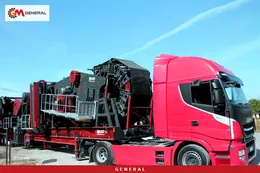
| GNR-MC110 (twin chassis) | GPJ 110 jaw | GS1215 / DMK03 impact | 200-300 | 900 mm | 2000×6000 mm, 4-deck | 750 kVA |
| Mobile Primary Jaw GNR 90 | GNRK 90 | — | 70-180 | 0-1100 mm | — | — |
| Mobile Primary Jaw GNR 110 | GNRK 110 | — | 180-300 | 0-1100 mm | — | — |
Middle of the range: General 944 or General 950
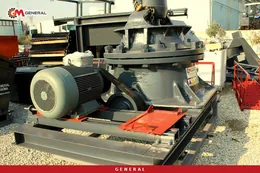
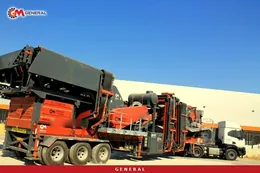
If the target lies between 120 and 180 TPH, the General 944 and the General 950 are siblings with the same chassis dimensions (4130×20350×4500 mm) and the same weight (70,000 kg). Both take 800 mm feed through a GPJ 90 jaw primary. The difference is the secondary: the GM430 cone on the 944 protects wear-metal life on quartz-vein gold ore and chromitite-banded platinum reef, while the DMK01 impactor on the 950 delivers high reduction in the weathered oxide zone. For a site that will crush fresh, hard ore for most of its life, the 944 is the more consistent choice.
Top of the range: GNR-MC110
Where 200 TPH and above is on the table, the GNR-MC110 comes in. The GPJ 110 jaw primary and DMK03 impact secondary sit on two separate chassis of 55,000 kg each, with 900 mm feed. Because the primary group can run on its own, primary crushing does not stop on days when the secondary line is under maintenance. The 2000×6000 mm 4-deck screen gives 0-5 / 5-12 / 12-19 / 19-40 mm product fractions; on a mine site these decks can also separate process feed from haul-road material.
The staged route: primary first, secondary later
On a newly licensed site where ore reserves and process flow are not yet settled, a mobile primary jaw crusher can be the first step. The GNR 90 (70-180 TPH, 25,000 kg) and GNR 110 (180-300 TPH, 55,000 kg) carry the feeder hopper and jaw crusher on one chassis, accept 0-1100 mm feed and produce a 0-250 mm intermediate product. The secondary stage is added later from the range of single-chassis mobile crusher units according to the ore test results.
The role of the cone secondary on platinum ore
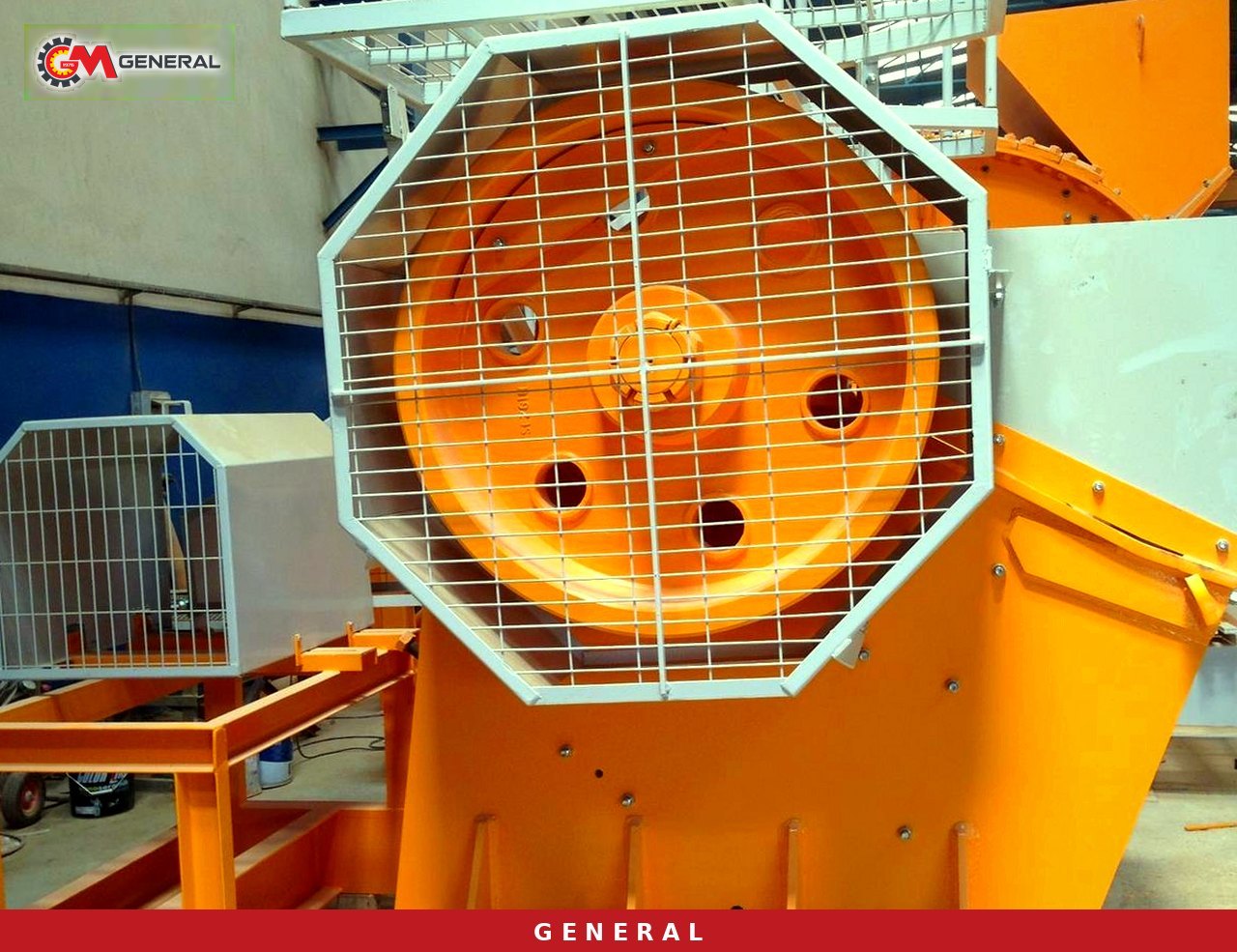
Platinum reef is a thin zone; generating excessive fines during crushing can raise the risk of losses in the downstream beneficiation step. A cone crusherworking on the compression principle, produces less dust and fines than an impact crusher, and product size is controlled through hydraulic CSS adjustment. A cone crusher's typical reduction ratio in the secondary stage is 6:1-8:1, which brings material from the jaw primary close to process feed size in a single step.
On a gold site the situation differs slightly. Quartz vein is brittle; the cone secondary still wins on wear-metal life here, but if part of the ore comes from the clayey oxide zone, the cone must be run with more care against packing on wet material. In that case a grizzly pre-screen removes the fine, clayey fraction ahead of the primary. Standard Mn13/Mn18 manganese steel jaw plates work-harden at the surface under impact and resist wear; on high-silica vein ore, alloy selection should follow the test results.
Plateau climate: rainy season, dry-season dust and generators
Most of Zimbabwe's mine sites lie on a high plateau. Altitude can reduce the power a diesel generator delivers, so the plant's rated generator size (550 kVA on the 944, 600 kVA on the 950, 750 kVA on the MC110) should be rechecked against the site elevation using the generator manufacturer's derating table. For sites close to the grid, connection capacity and voltage stability should be confirmed with the local power utility.
In the rainy season, material from the oxide zone gets wet and sticky, and blockages can appear in the hopper and between grizzly bars. In the dry season, fine dust builds up around the crusher and screen and shortens filter change intervals on engines and generators. Measures that can be selected per project include water-spray dust suppression at screen and conveyor transfer points, enclosed conveyor transfers and a stock of filters.
Shipping and installation in a landlocked country
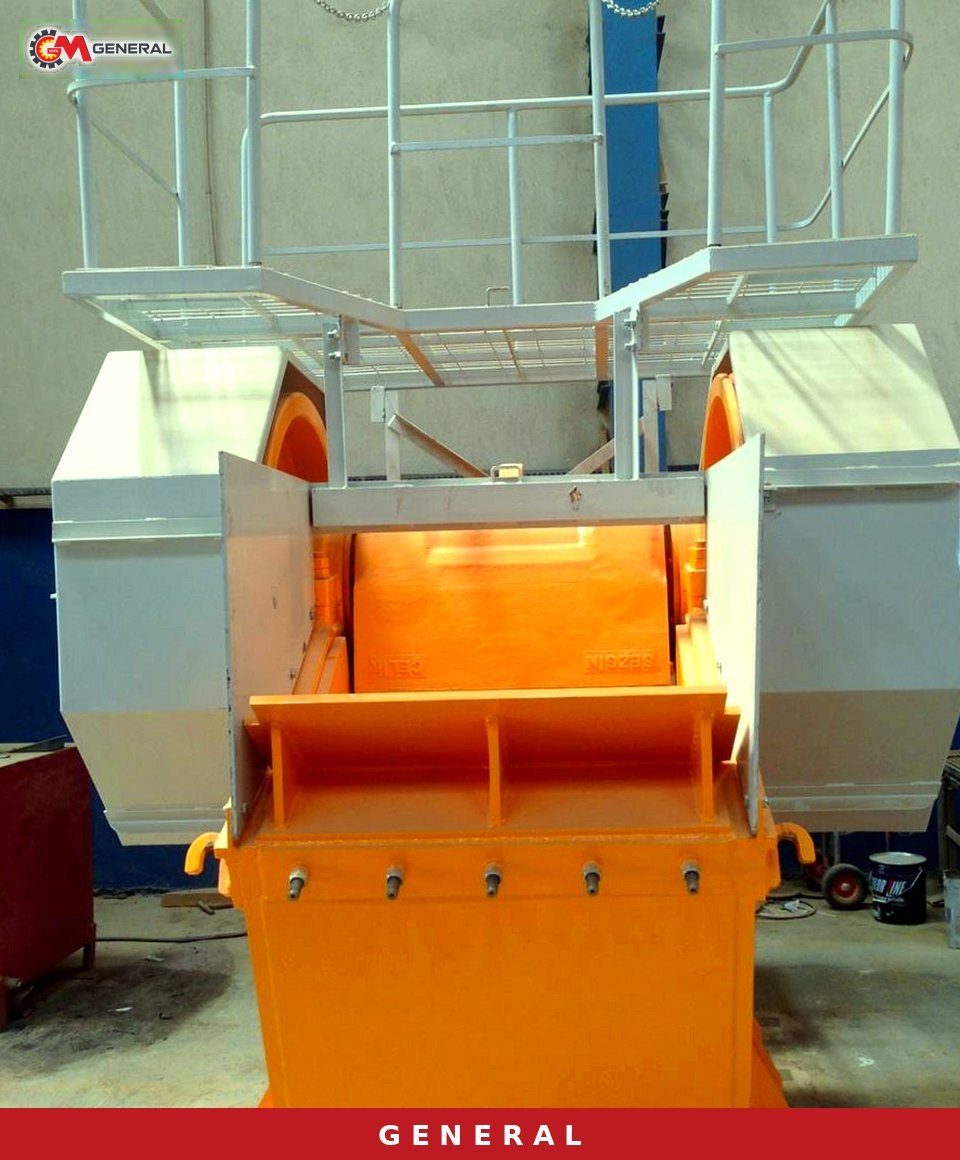
Zimbabwe has no seaport; equipment travels by road from ports in neighbouring countries. Permit and escort requirements for heavy and wide loads on this route vary from country to country, so confirm the current rules with your haulage contractor and the relevant authorities. This is where wheeled mobile plants show their advantage: the General 944 and 950 are towed as a single chassis, the two chassis of the GNR-MC110 travel separately, and the mobile primary jaw crusher leaves on a single truck.
No concrete foundation is needed for installation on site; hydraulic legs and compacted level ground are enough. Even so, the site must be planned from the start for the ore stockpile area, truck turning radius and screened product stockpiles. Collecting the following information in one file when preparing your quotation request speeds up the process:
- Ore type (quartz-vein gold, oxide zone, PGM reef, chromitite-banded material) and the share of each
- Largest block size after blasting and expected moisture/clay conditions
- Target tonnage and daily operating hours
- Crushed top size required by the process plant and any additional products (road base, fill)
- Power source: grid or generator, plus site elevation
- Preferred port of arrival and road conditions to site
- Sample analysis and abrasion test results (if available)
Frequently asked questions
Can I crush gold and platinum ore in the same plant?
Mechanically, yes; a plant with a jaw primary and cone secondary such as the General 944 can process both ores. However, the ores should be crushed in separate campaigns, with settings (CSS, screen mesh) reset between campaigns. Keeping the ores apart is required by the process and by the mining licence.
Can a single mobile plant reach 200 TPH?
The GNR-MC110 meets this target in one plant with its 200-300 TPH range. The catalogue range of the 944 and 950 is 120-180 TPH; if one of them is chosen for 200 TPH, it should be configured together with a separate primary pre-crushing unit.
What warranty and certificates apply?
General Makina has been manufacturing in İzmir since 1976. The machines carry ISO 9001 and CE certification, and a 1-year warranty is provided, excluding wear parts.
What determines the price?
Price depends on the model and number of stages, the secondary crusher type, whether a generator is included, the number of screen decks, extra equipment such as dust suppression, and shipping terms. A figure is given in a project-specific quotation prepared from your ore data and target tonnage.
Conclusion: know the ore, then choose the machine
For a 100-200 TPH gold and platinum crushing line in Zimbabwe, the deciding factors are which zone the ore comes from and how abrasive it is. The cone-secondary General 944 suits hard, fresh ore, the impact-secondary General 950 suits the weathered surface zone, and the twin-chassis GNR-MC110 leads at 200 TPH and above; where the start is uncertain, a staged approach with a mobile primary jaw crusher is possible. You can review every wheeled option on the wheeled mobile crushing plants page and contact us with your ore data to request a quotation tailored to your site.
Definitions of technical terms: Glossary