 EN — English
 TR — Türkçe
 DE — Deutsch
 RU — Русский
 FR — Français
 ES — Español
 AR — العربية
 SR — Српски

screening plant technical specifications
This page brings together our products, project examples and guides related to “screening plant technical specifications”.
mineral screening plantmineral screening plant manufacturermineral screening plant solutionsmineral screening plant equipmentmineral screening plant machinemineral screening plant systemscreening plant pricescreening plant
Related Products
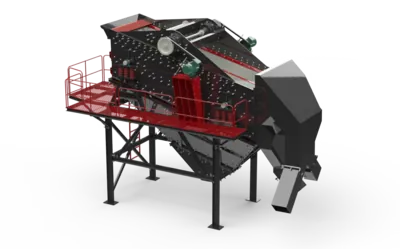 Product
Top-Driven Elliptical Motion Vibrating Screen
The top-driven screen is an elliptical-motion screen whose ellipse direction changes along the deck; higher efficiency than a conventional screen, reduced blinding…
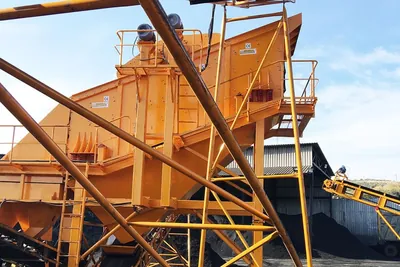 Product
Banana Screen: Top-Driven Multi-Slope Vibrating Screen
The top-driven multi-slope screen (banana screen) has 3 different-slope stages that give +30% capacity over a flat screen of the same size; 100-400 tph, ELKK-2565 and…
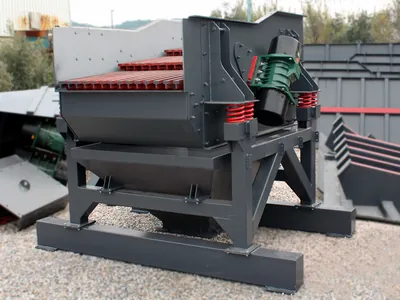 Product
Grizzly Scalping Screen, G and M Types
The grizzly screen comes in two types: G-type for bypass ahead of the primary crusher (2 vibromotors, linear), M-type for fines removal ahead of the secondary crusher…
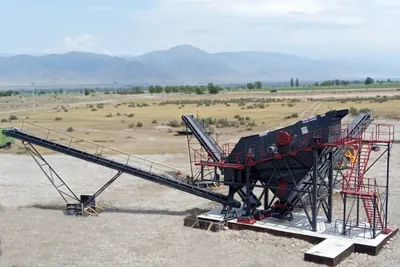 Product
Circular-Motion Inclined Screen, 1-4 Decks, GNR 1020 to 2470
The conventional vibrating screen separates crushed aggregate into required sizes; a 1-4 deck circular-motion screen, 100-400 tph, GNR 1020 to GNR 2470 model range…
 Product
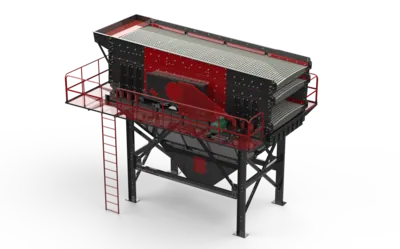
Adjustable Stroke Screen with Triple-Shaft Oval Motion
The vibration-controlled screen uses a triple-shaft drive to produce an adjustable oval stroke; 100-400 tph. GNRTK-1550 and GNRTK-2060 models, triple-deck, bolted…
 Product
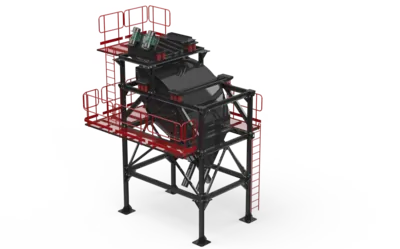
IME-GM155 Fine Material Screen, Down to 600 Microns
The fine material screen is a linear vibrating screen with two counter-rotating vibromotors for separation down to 600 microns; 5-10 tph, 5 decks. IME-GM155 model.…
 Product
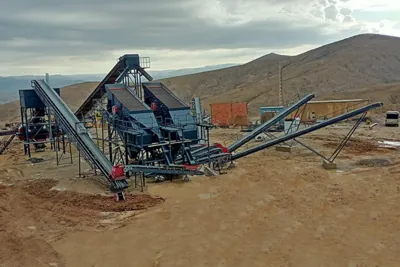
Twin Vibrating Screen for High-Tonnage Plants
The twin vibrating screen runs two screen bodies together to double the surface area; 100-500 tph capacity, circular motion, screening without choking in high-tonnage…
 Product
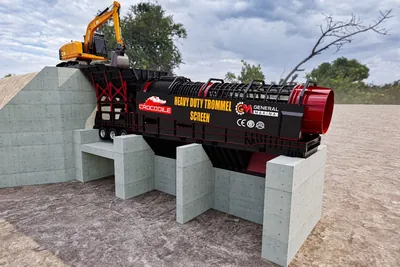
Trommel Screen: Rotary Drum Screen for Wet Material
The trommel screen is a perforated cylindrical rotating drum; it screens clayey, wet and sticky material and recycling without blinding. Capacity 100-500 tph, 2-3 hole…
 Product
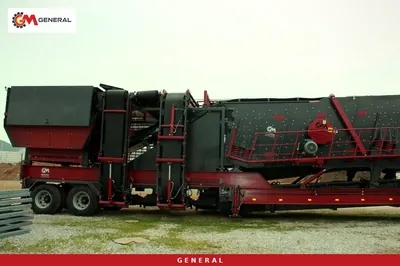
GNR ME1650 Mobile Dry Screening Plant
The GNR ME1650 is a mobile DRY screening plant rated at 120-180 tph, carrying no washing unit.
 Blog
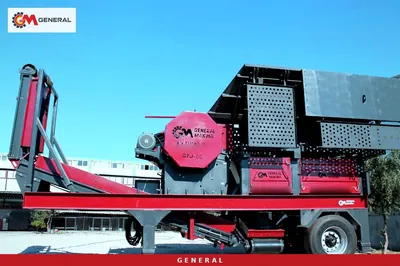
Crushing plant RFQ technical specification
Most quotations for a crushing and screening plant come back impossible to compare, and the cause is rarely the suppliers. It is the document the buyer sent out.
 Product
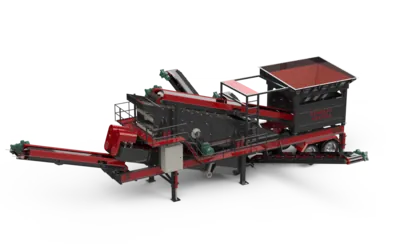
GNR YM1240 Compact Wash Plant for River and Mountain Sand
The GNR YM1240 is a COMPACT mobile sand washing-and-screening plant rated at 60-100 tph. A sand hopper, washing screen and screw scrub river and mountain sand with water, stripping clay and silt.
 Product
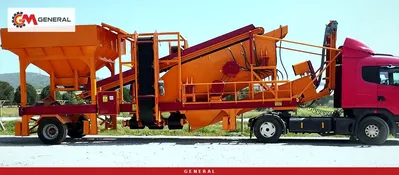
GNR YM1650 Wash-and-Screen Plant on a 21,000 kg Chassis
The GNR YM1650 is the range's BEST-SELLING washing-and-screening plant at 120-180 tph. Its wide washing screen and screw turn out clean sand in several sizes.
Product
IME-GM155 Fine Material Screen, Down to 600 Microns
The fine material screen is a linear vibrating screen with two counter-rotating vibromotors for separation down to 600 microns; 5-10 tph, 5 decks. IME-GM155 model.
 Product
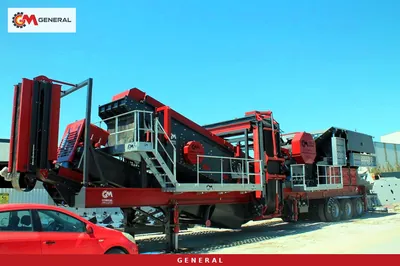
GNR ME2060 – Fully Automatic Mobile Screening Plant with Grizzly Hopper
GNR ME2060 mobile screening plant: 200-350 tph capacity, 2000×6000 mm triple-deck screen, 20 m³ hopper with grizzly pre-scalping. Dry screening, full automation.
 Blog
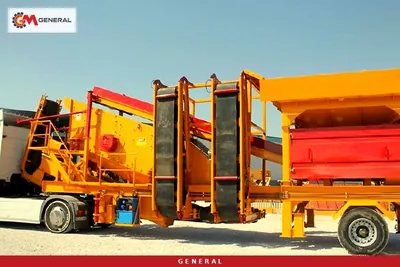
Jijiga, Ethiopia: 120-150 t/h Basalt Crushing and Screening Plant Handed Over
The installation of the Basalt Crushing and Screening Plant with a capacity of 120-150 tons per hour was successfully completed.
 Blog
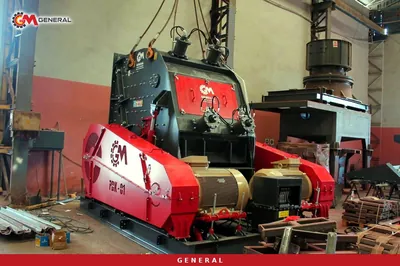
Primary, Secondary and Tertiary Crushing Stages
In a crushing and screening plant the material is reduced step by step: primary accepts up to 1300 mm, secondary 800 mm, tertiary 150 mm and VSI only 25-55 mm.
 Blog
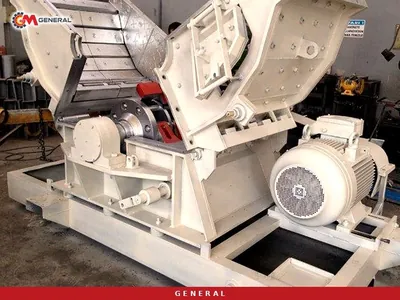
Jobsite material flow and stockpile layout
Once a mobile crushing and screening plant is on the ground, output is usually governed less by the machine rating than by how material travels around the site.