EN — English
 TR — Türkçe
 DE — Deutsch
 RU — Русский
 FR — Français
 ES — Español
 AR — العربية
 SR — Српски

Stone Crushing Plant Features: a Guide to Material, Capacity and Equipment Choice
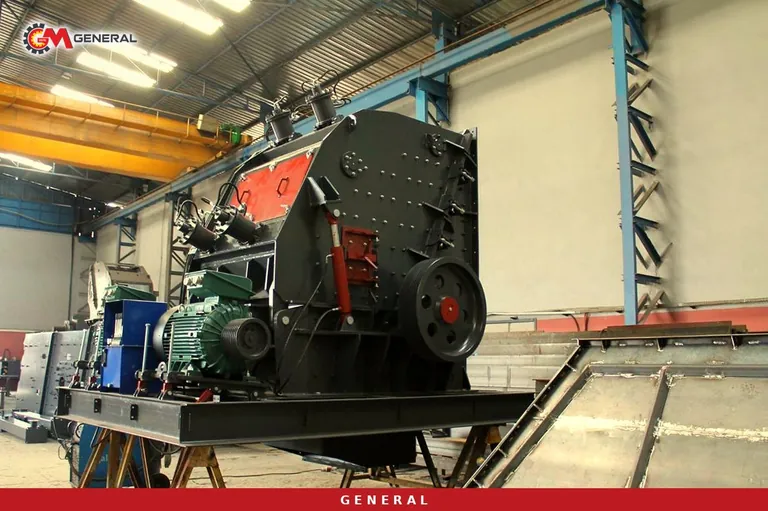
The job of a stone crushing plant is to crush, screen and wash the material extracted in quarries and to prepare products for the sectors that use it. Because crushing machines are produced in different sizes, every operation can obtain the performance and output that suit its own needs. The greatest advantage of this process is that the plant is engineered according to criteria agreed between the customer and the manufacturer, and only then put into production.
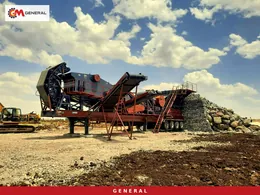
In the industry, a stone crushing plant is usually simply called a crusher. These crushing and screening plants are designed as compact machines that take on all the work required by themselves. The fact that each plant is engineered specifically for the user's needs and can be built as either a stationary or a mobile crushing plant also explains the balance of supply and demand for these plants. Operators can choose products of different designs depending on their line of work, and the material they will process is a decisive factor in that choice.
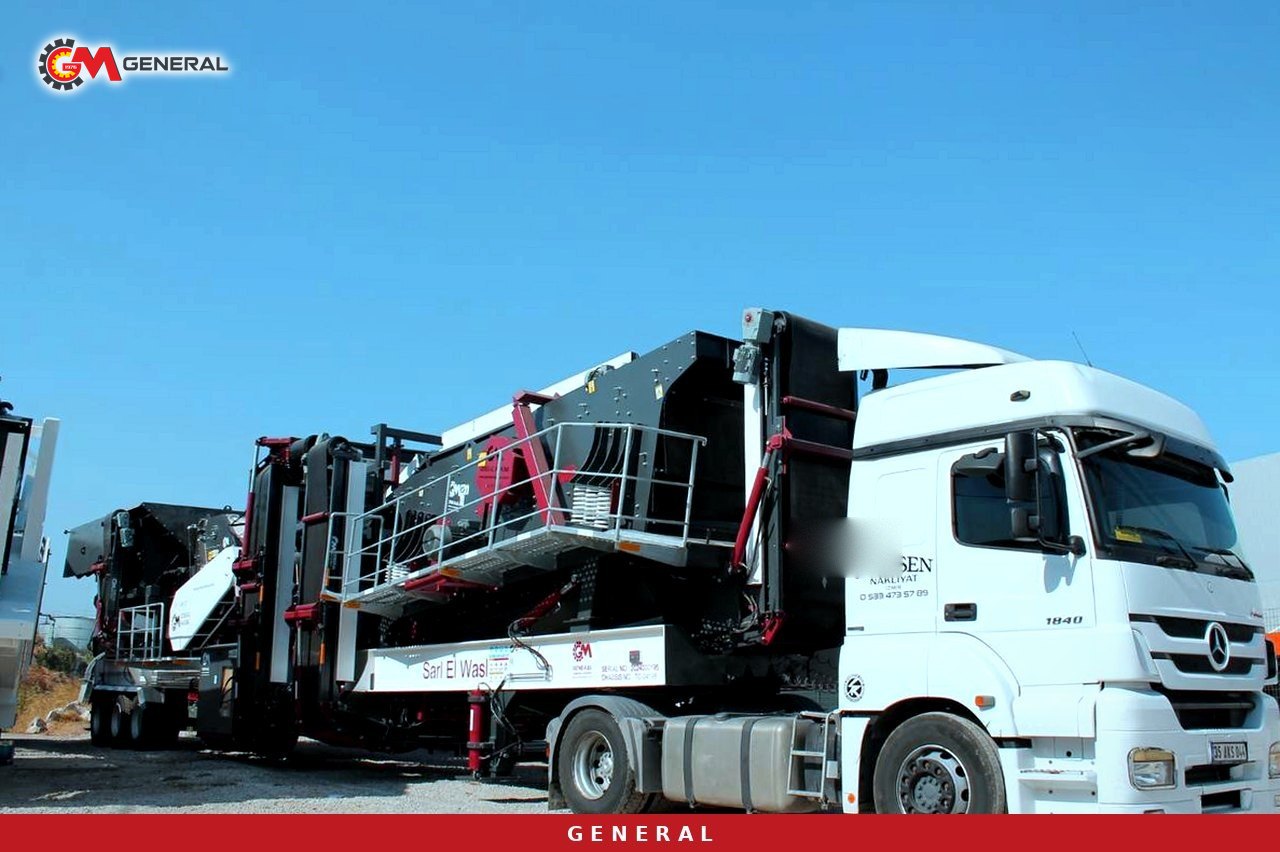
When drawing up the equipment list, the size of the material to be processed, its hardness and how abrasive it is matter enormously. Results-oriented manufacturers build plants that meet all of the customer's needs while adhering to quality standards. In hard, abrasive rock, for example, jaw plates, impact parts and screen surfaces wear out faster, so equipment should be chosen not only by capacity but also by the service life of its wear parts. That is why the way to own a crusher made from quality materials and special alloys is to work with a machine manufacturer that specialises in this field.
Definitions of technical terms: Glossary