EN — English
 TR — Türkçe
 DE — Deutsch
 RU — Русский
 FR — Français
 ES — Español
 AR — العربية
 SR — Српски
Blow Bars (Impact Hammers): Material and Application Matching
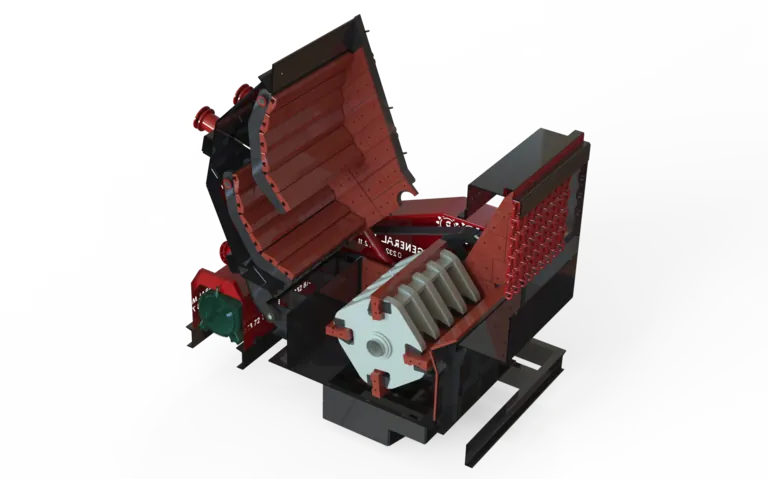
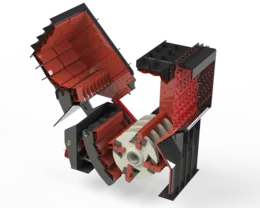
Blow bars (impact hammers) transfer the rotor's kinetic energy to the feed in an impact crusher. They are the highest-turnover wear part of PDK and DMK type crushers, and the material choice decides both wear life and crushing behaviour.
Material options and where each fits
Three families cover most duties. Manganese steel is tough and forgiving of tramp iron — the choice for primary duty with large, uncrushable-risk feed. Martensitic alloy steel balances toughness and abrasion resistance for mixed duty. High-chrome white iron gives the best abrasion resistance for clean, fine secondary feed, but is brittle: it should not meet oversize or tramp metal.
Application-material matching
Limestone and recycling concrete: manganese or martensitic. Gravel and river stone: martensitic. Abrasive but clean fine feed (tertiary sand duty): high-chrome. Feeds with rebar or tramp-iron risk always take the tougher grade — a broken chrome bar costs more than a worn manganese one.
Wear signs and rotor balance
Rotate or replace bars when the working face wears to the holder shoulder, and always change bars in balanced sets: uneven bar weights unbalance the rotor and load the bearings. Inspect holder wedges at every change.
Compatible crushers
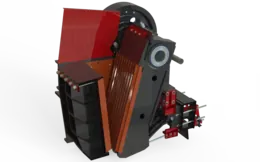
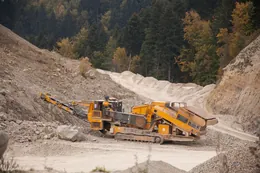
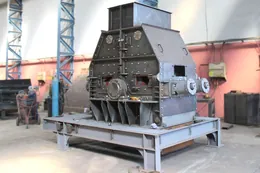
Blow bars are supplied for the PDK primary impact crushers, DMK secondary impact crushers and M-DMK mobile impact crushers — see the spare parts range and state the machine model in your quote request.
Field reference: the PDK 02 + 110-type Cubitizer Stationary Crushing Plant - Hakkari plant was built around a PDK 02 primary impact crusher.
Definitions of technical terms: Glossary