EN — English
 TR — Türkçe
 DE — Deutsch
 RU — Русский
 FR — Français
 ES — Español
 AR — العربية
 SR — Српски

Where Does a 110 Jaw Crusher Fit? Basalt, Chrome and Reinforced Concrete
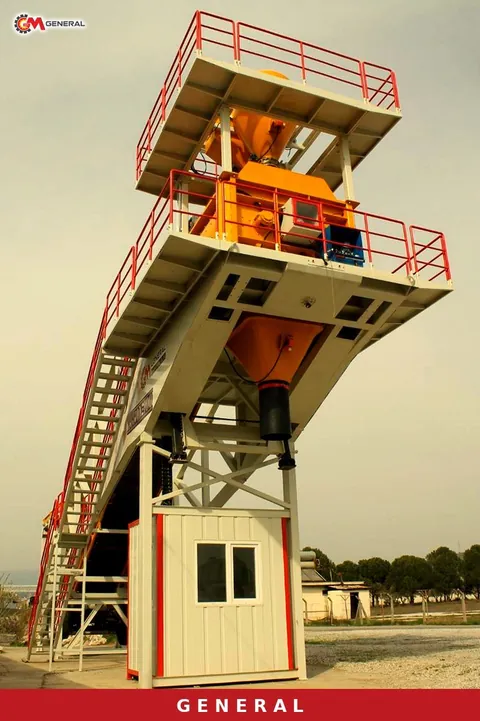
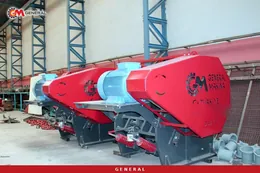
When the rock in a quarry is hard and rich in silica, the 110 jaw crusher becomes the natural choice for the primary stage. Its feed opening measures 1100x850 mm, and the machine is built to take heavy, abrasive material at the very first step of the line. We have been manufacturing crushing, screening and washing plants in Izmir since 1976, and if you are planning a stationary or mobile 110 plant, we recommend working through the project together with our engineering team.
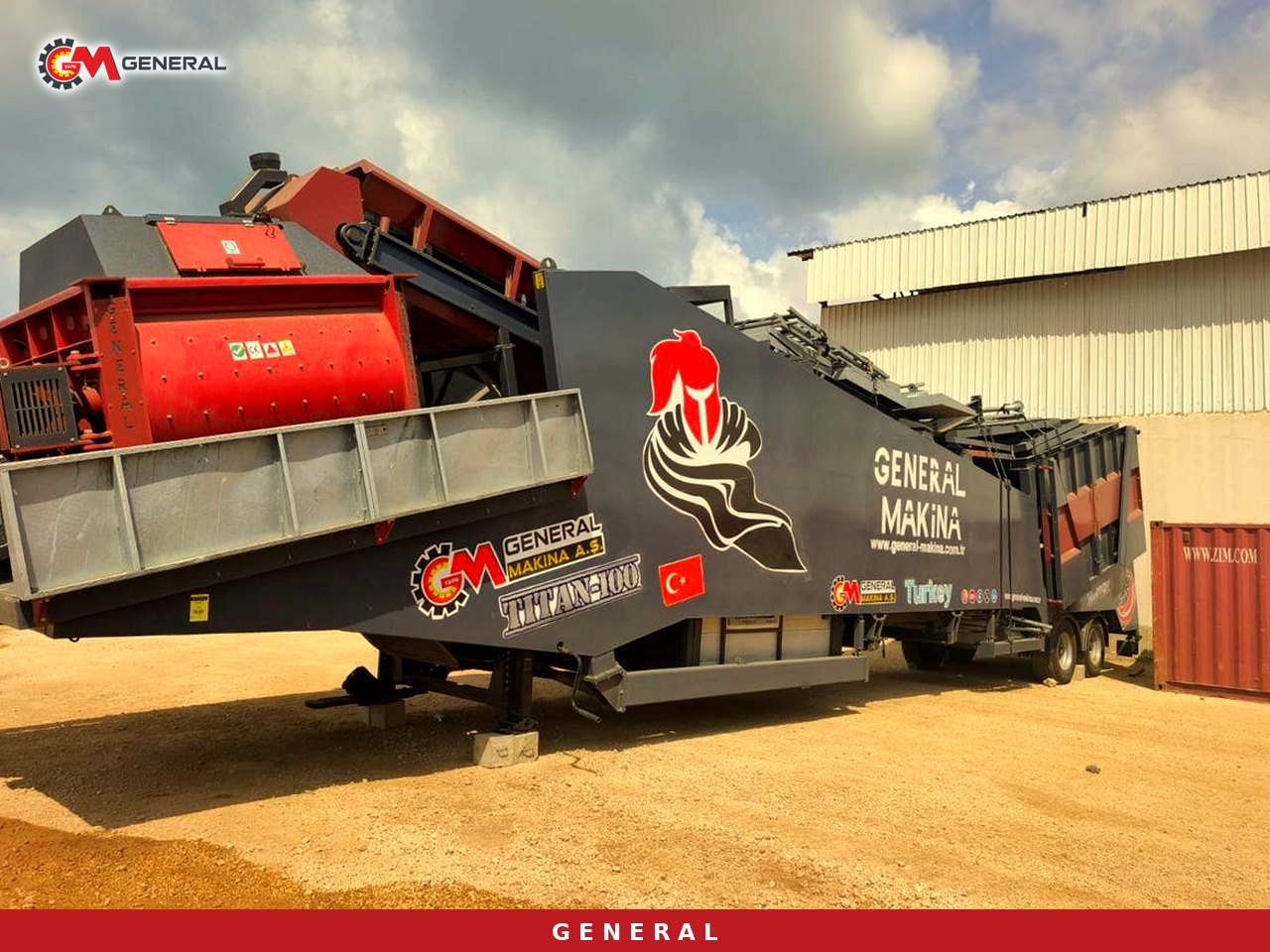
Three applications stand out: crushing basalt, chrome enrichment and recycling sites, which have spread quickly in recent years. In recycling, the goal is to break demolition concrete down again and turn it into sand. The reason reinforced concrete goes into a 110 jaw crusher first is simple: the same material would damage other crusher types.
A primary crusher alone does not make sand. If the material has to be reduced to sand size, the line needs secondary crushers and screens that separate the product by size. The coarse output of the 110 jaw crusher must always be passed on to a secondary crusher.
The end product most requested by concrete producers is the 0-5 mm fraction; when that is the target, the number of stages is planned accordingly, and a third crusher can be added if the required capacity calls for it.
Some limestone quarries also choose the 110 jaw crusher. The reasoning there is to keep spare part demand as low as possible. The fastest-wearing parts in the system are the jaw castings, and these are always kept ready in our stockyard to the required specification. Supplying spare parts and handling maintenance and repair requests quickly is one of the main reasons operators have relied on us for years.
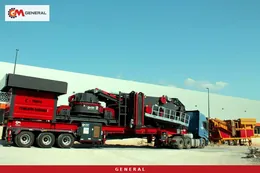
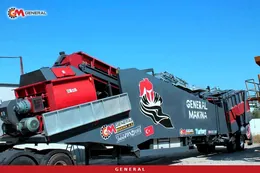
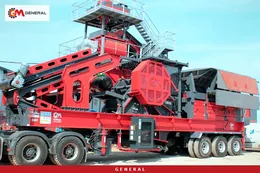
As an alternative to a stationary installation, you can also look at our portable crushing plants, where the entire plant is gathered on a single chassis.
Definitions of technical terms: Glossary