 EN — English
 TR — Türkçe
 DE — Deutsch
 RU — Русский
 FR — Français
 ES — Español
 AR — العربية
 SR — Српски

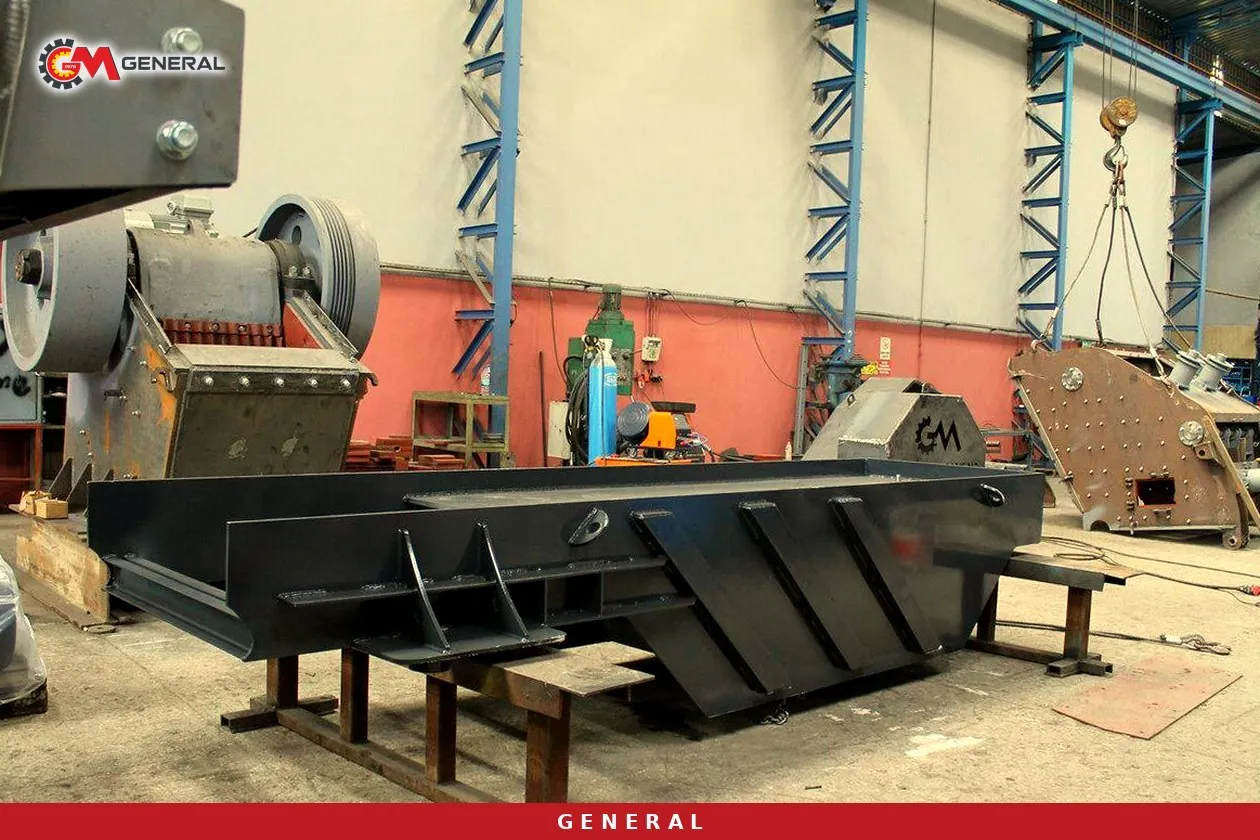
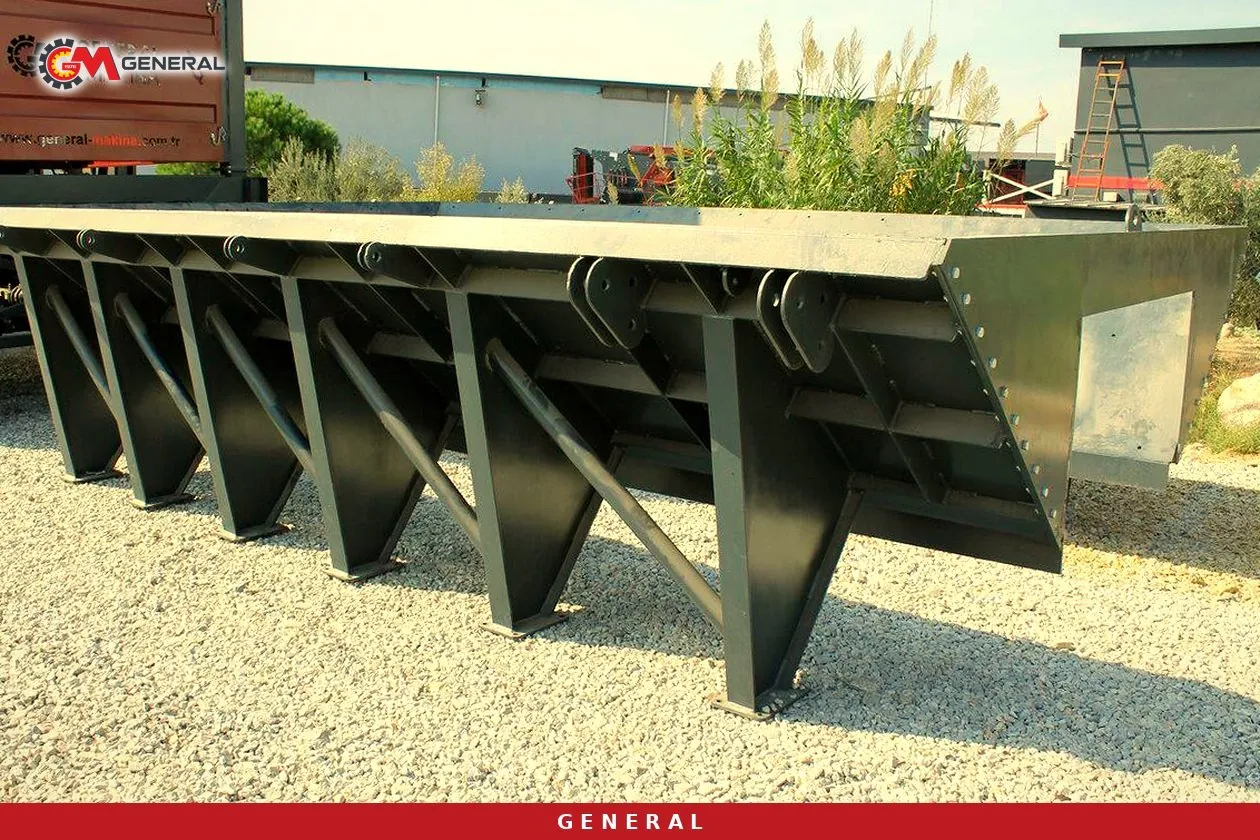
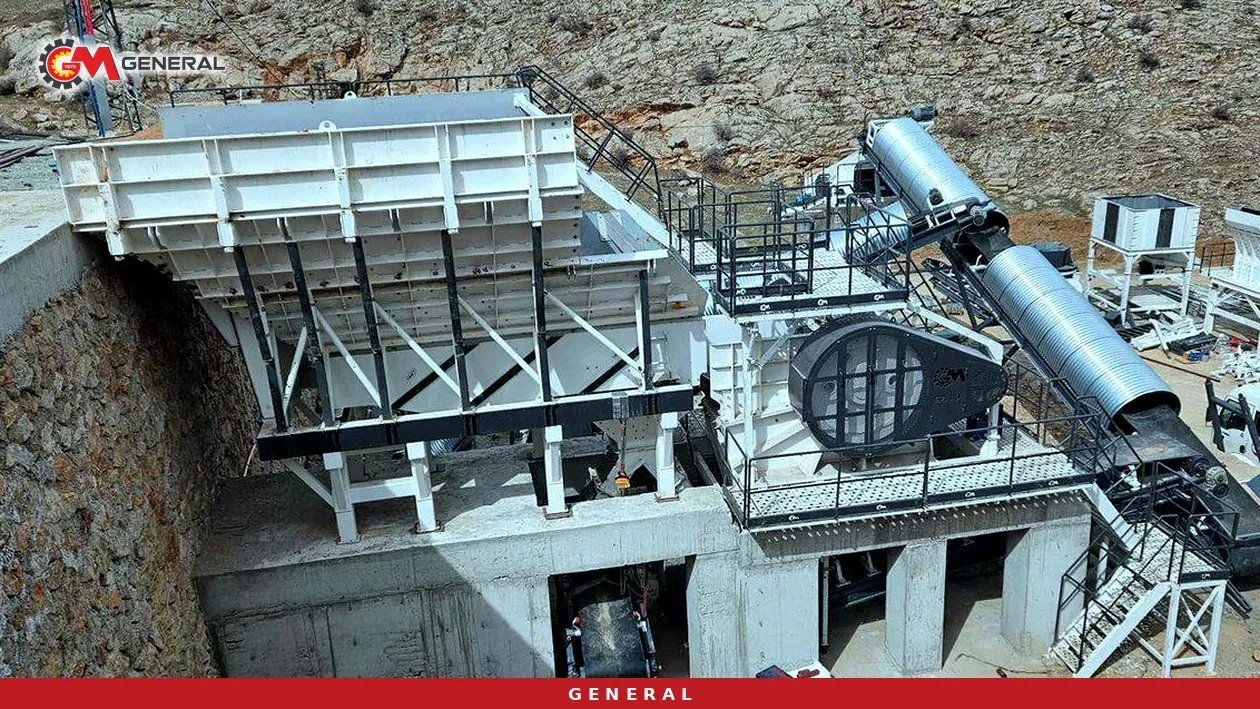
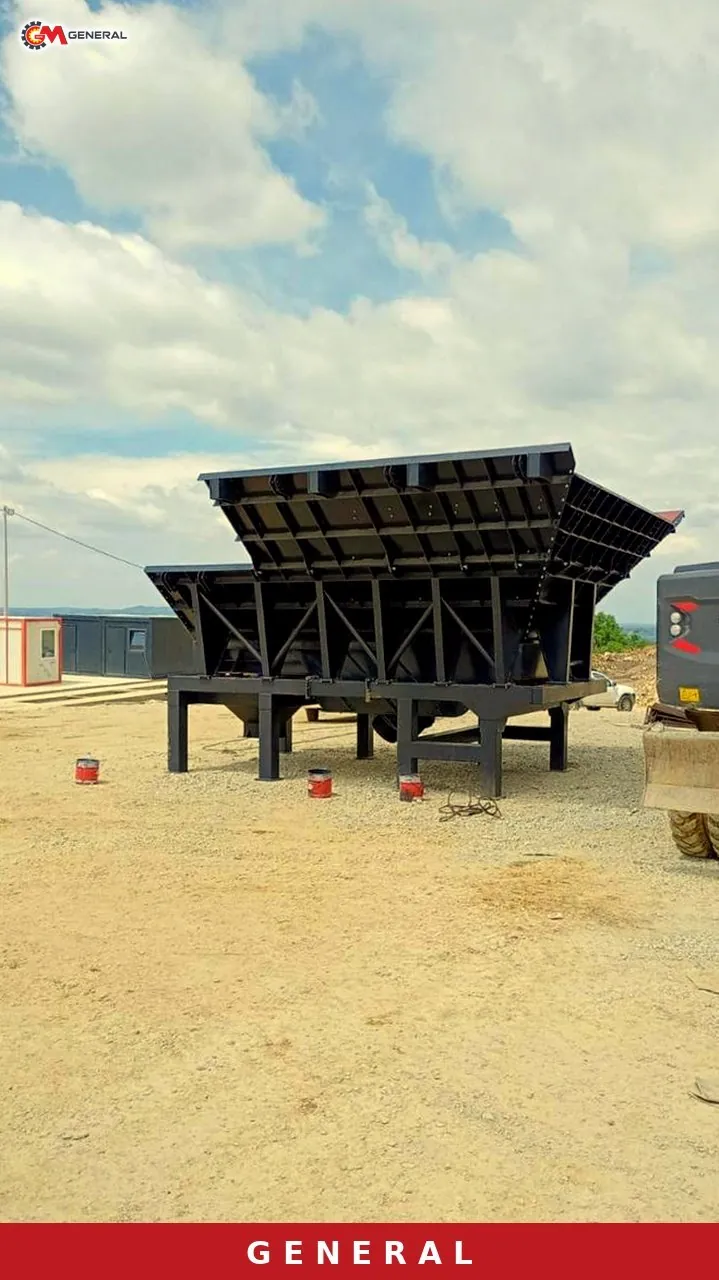
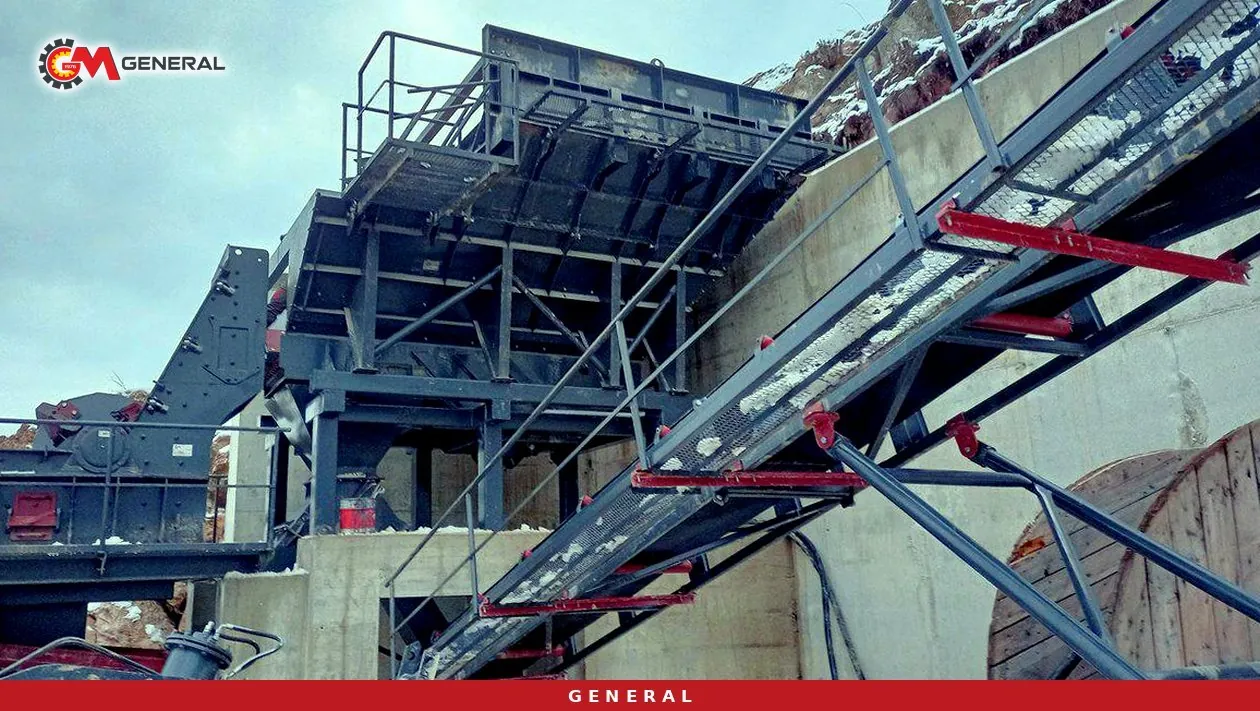
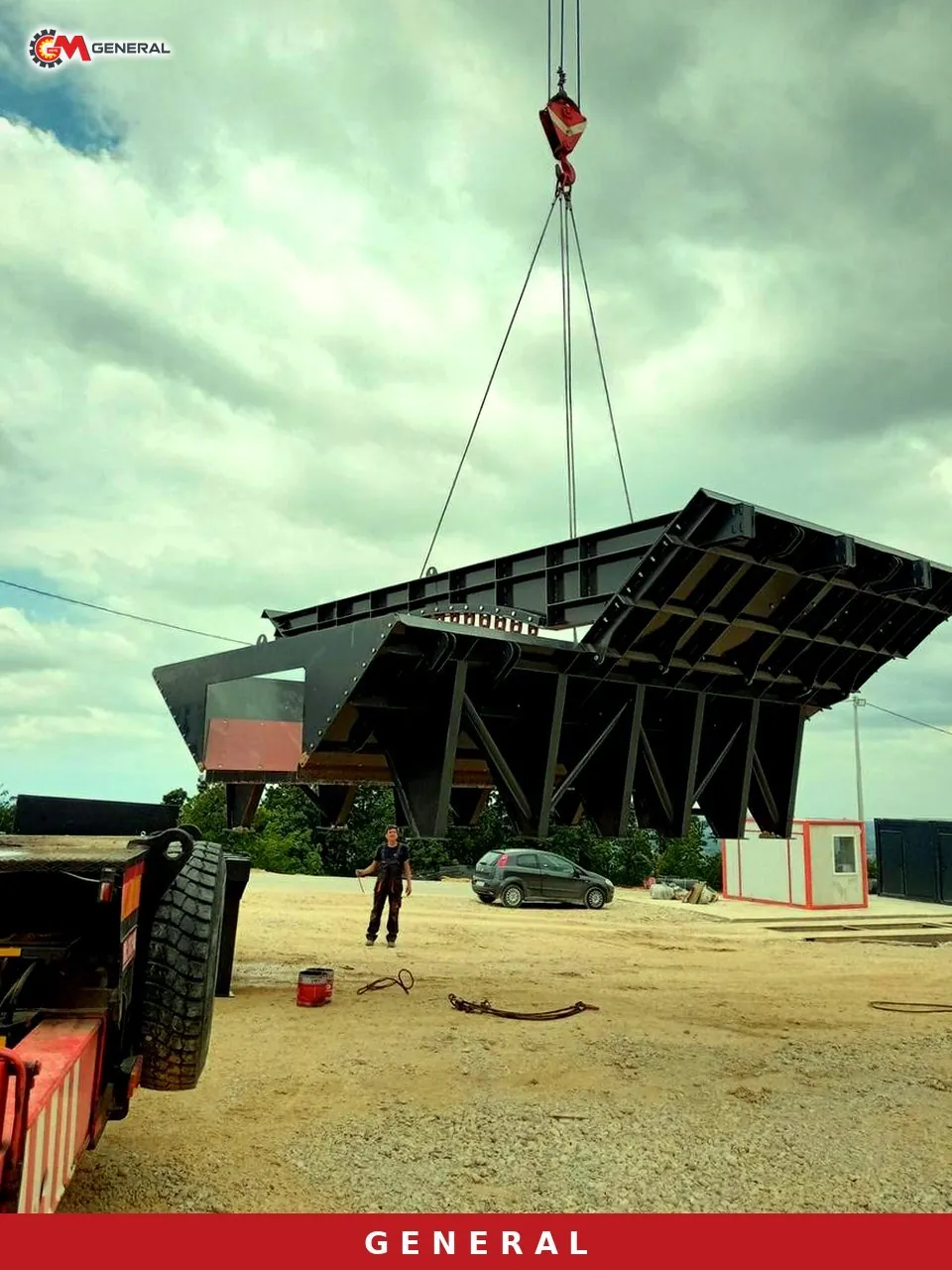
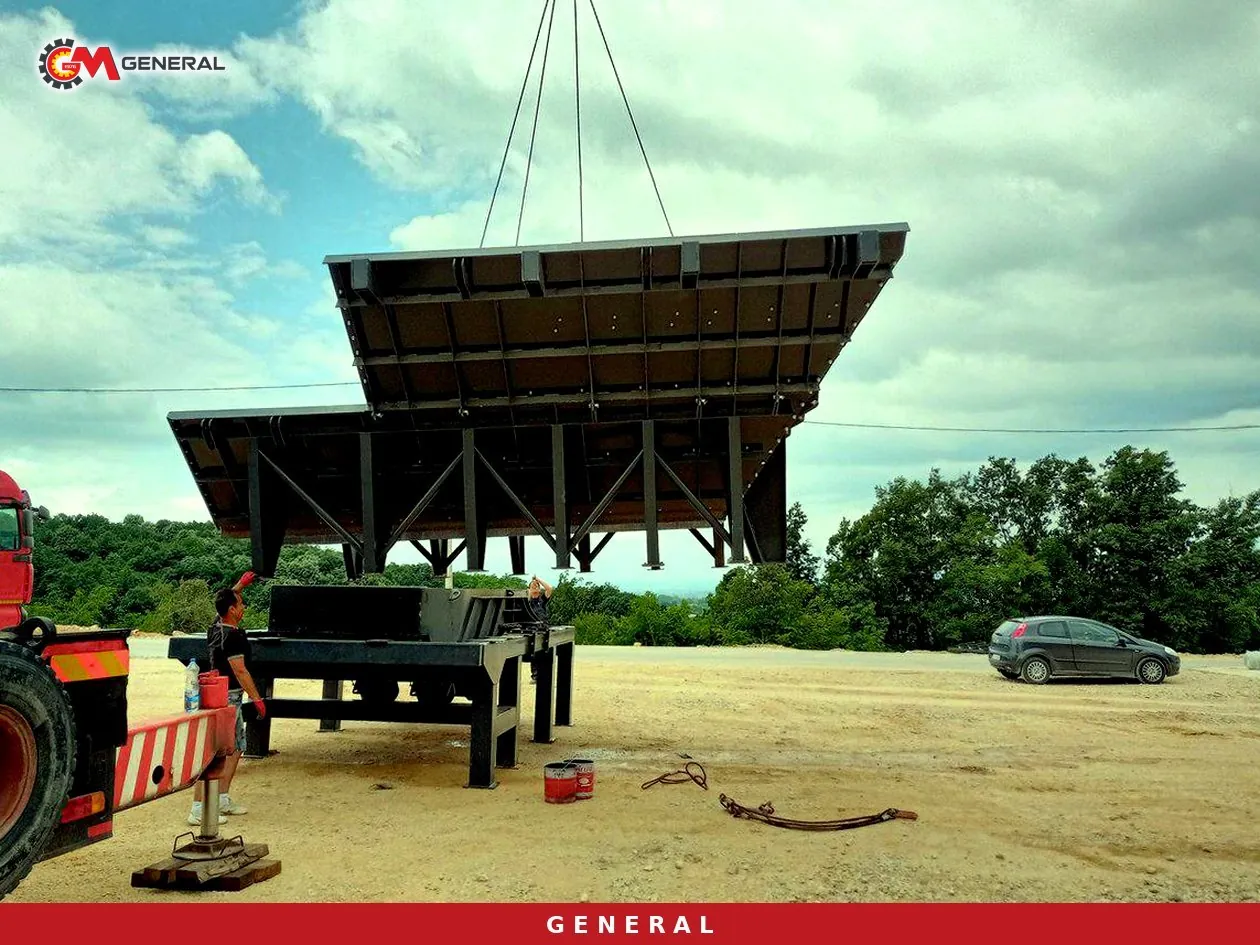
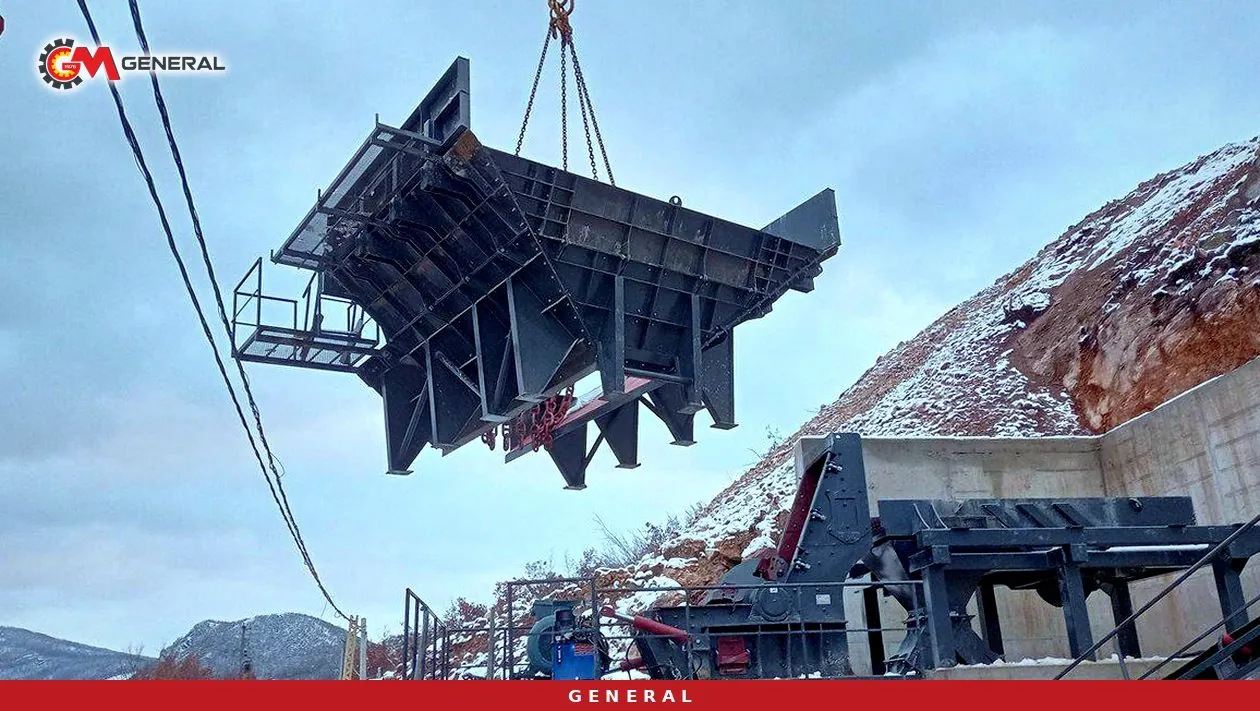
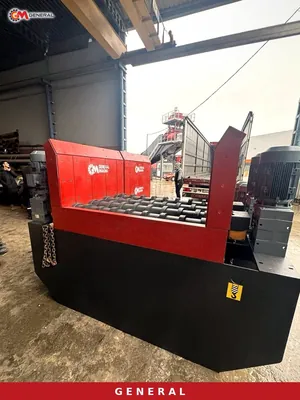
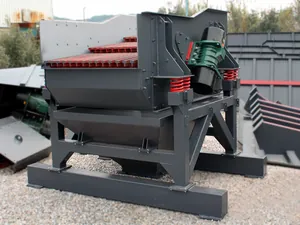
Vibrating Grizzly Feeder: Steady Primary Feeding with By-Pass Pre-Scalping
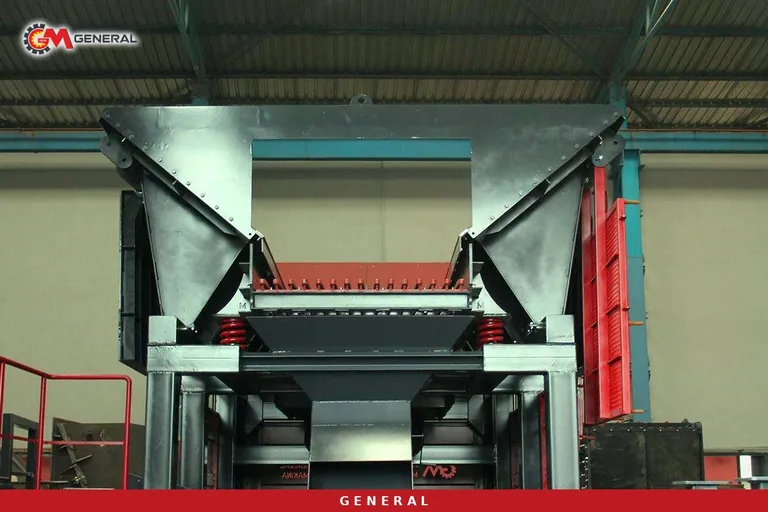
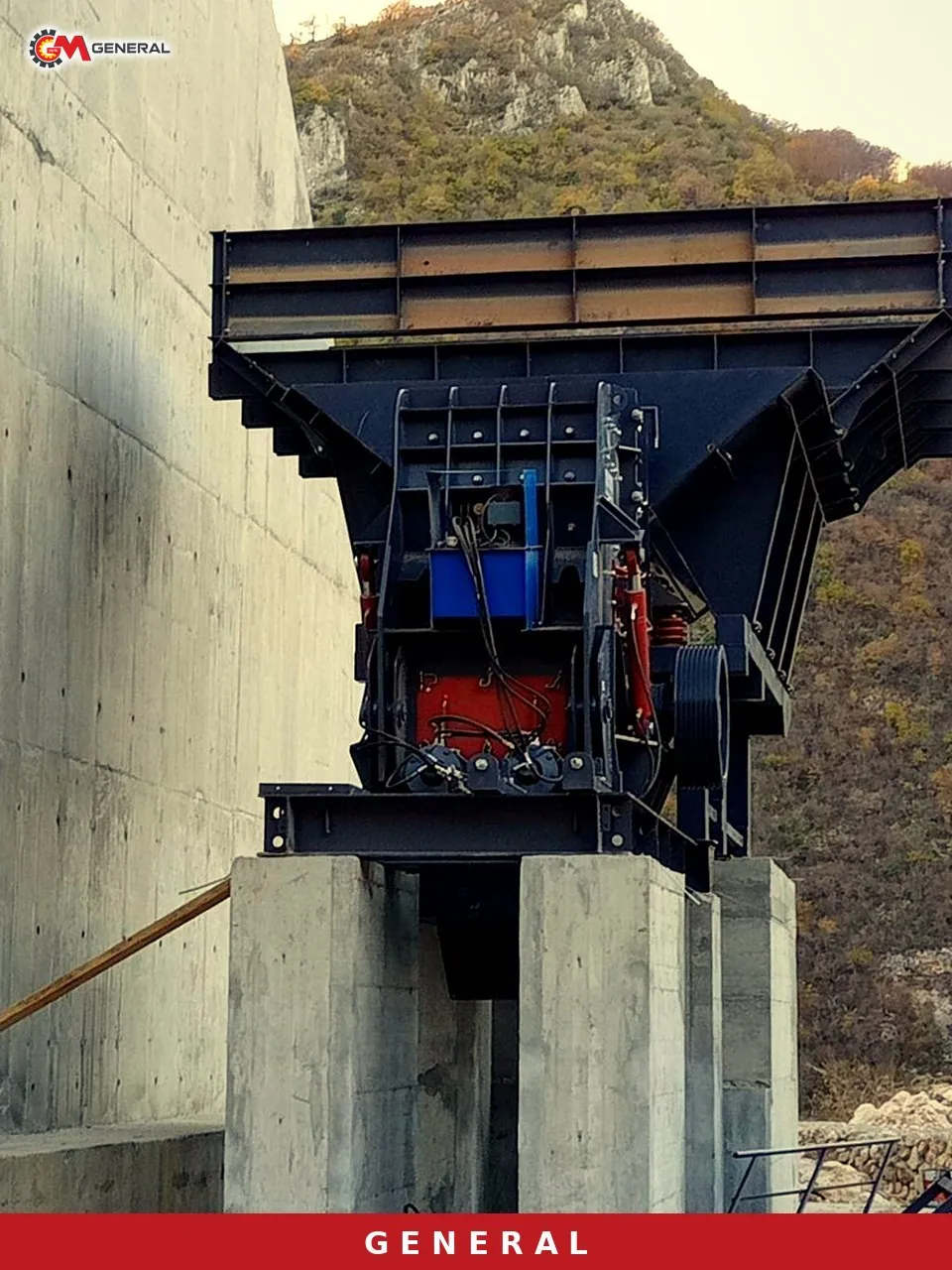
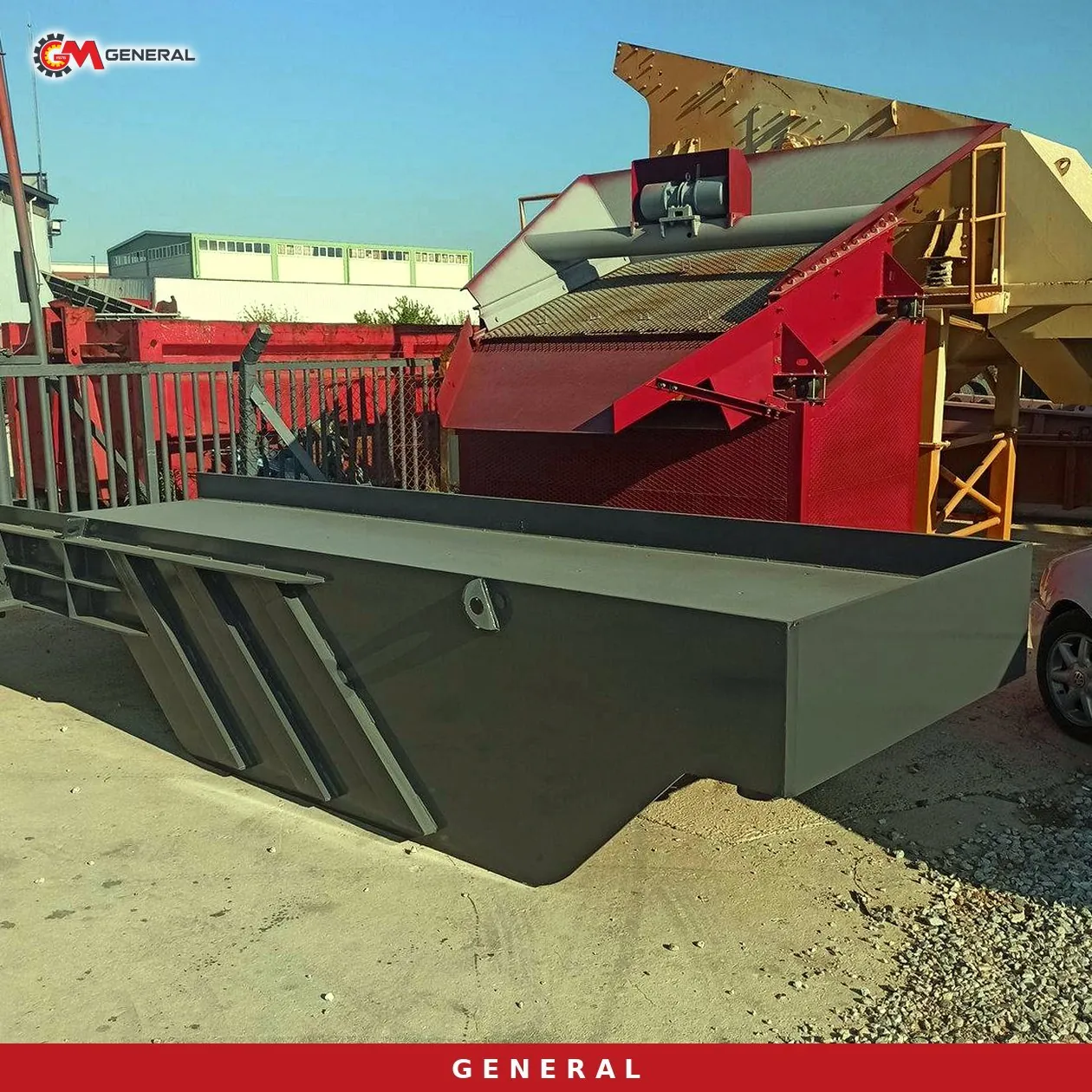
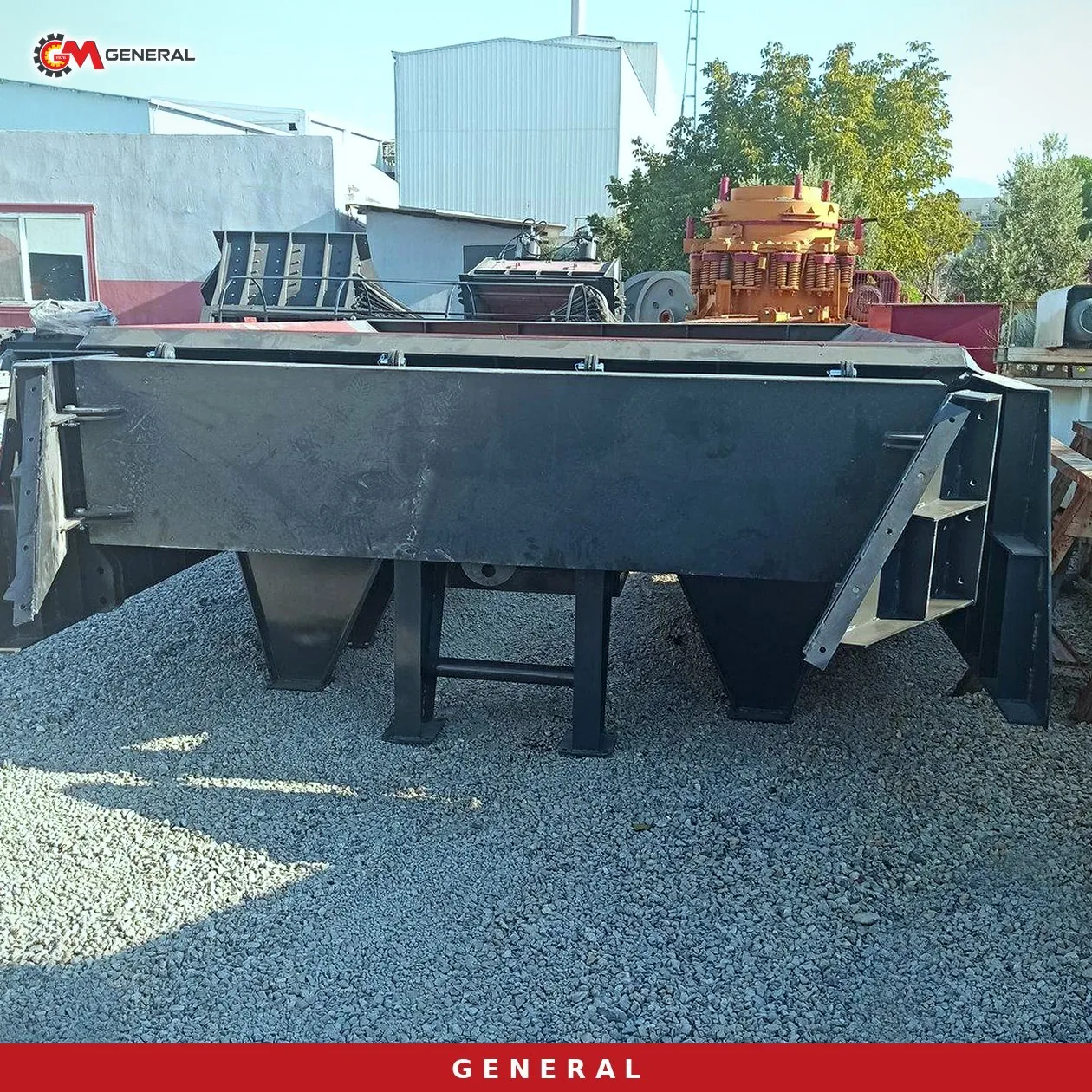
A crushing and screening plant's efficiency starts with how evenly material reaches the crusher. That is the job of the vibrating rock feeder (grizzly feeder): it delivers run-of-mine (ROM) rock to the primary jaw or impact crusher in a controlled, uninterrupted flow and, at the same time, its grizzly by-pass section removes fines and soil before they get to the crusher. Our feeders run on a vibromotor or an eccentric belt-and-pulley drive, accept material up to 1500 mm and offer capacities of 75-600 tph.
How Does the Feeder Work?
ROM material is tipped into the hopper by a loader, truck or excavator. The vibrating trough, resting on helical springs, walks the material forward with a linear or circular vibration. The grizzly section at the end of the trough then has two tasks:
- Pre-scalping via by-pass: fines and soil drop through the gaps between the bars and go to the conveyor or screen without ever entering the crusher, so the crusher carries no needless load.
- Even feeding: oversize rock travels over the bars into the crusher mouth at a constant rate, keeping the mouth full (choke-feed), which improves both crusher efficiency and the cubical shape of the particles.
Its Role in the Plant
The feeder is the first link in the line and does two jobs at once: regulated feeding and pre-scalping/by-pass. Because fines and soil are kept away from the primary crusher, jaw and impact liners wear more slowly (cutting total wear cost directly), capacity rises and crushing energy is no longer wasted. Continuous rather than intermittent feeding also makes the crusher output more stable.
Technical Data
| Model | Width (mm) | Length (mm) | Capacity (tph) | Motor (kW) |
|---|---|---|---|---|
| GNR 60 | 700 | 3000 | 75~100 | 2x3 |
| GNR 90 | 1000 | 3750 | 140~210 | 2x4 |
| GNR 110 | 1100 | 4750 | 200~300 | 2x7.5 |
| GNR 140 | 1400 | 5000 | 350~600 | 2x9.2 |
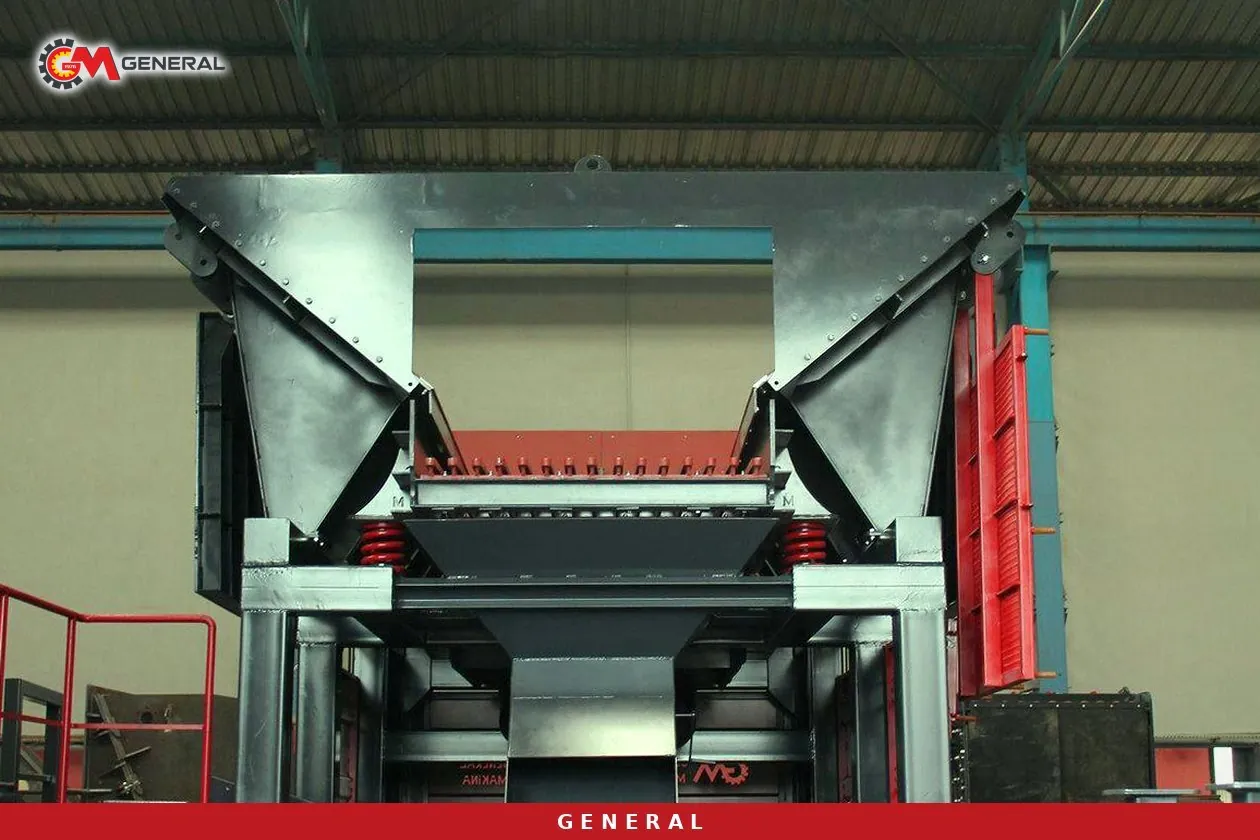
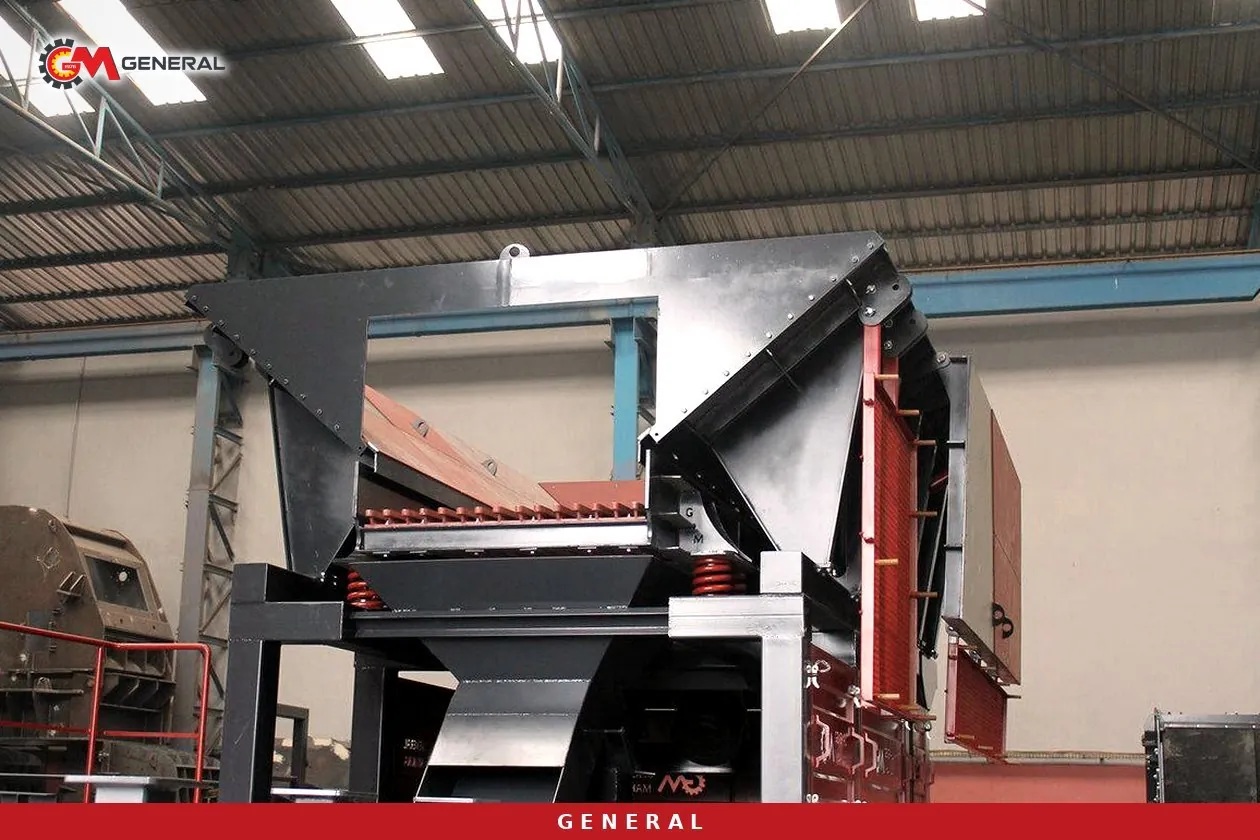
Shared by every model: 15-100 m³ hopper volume, maximum feed size of 1500 mm, a steel body reinforced against vibration, heavy-duty helical springs, bolted and replaceable body wear plates and abrasion-resistant by-pass grizzly bars.
Which Material and Where?
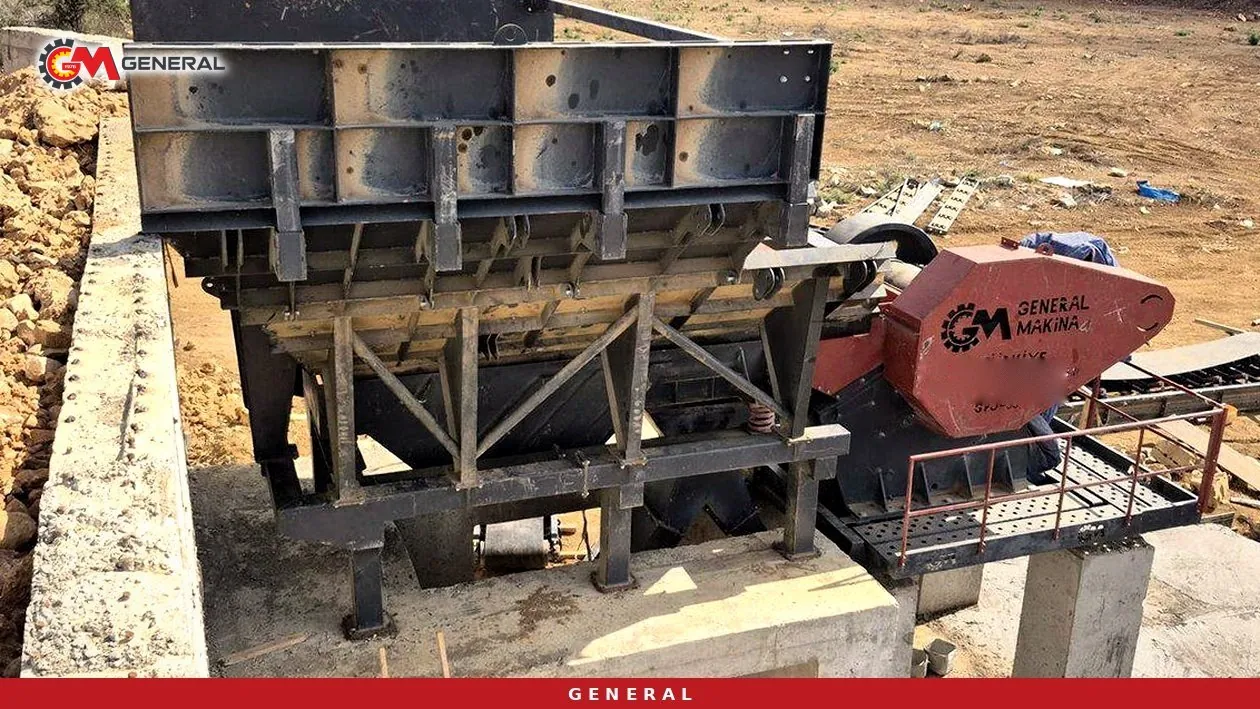
It is the right choice for hard/abrasive quarry rock such as granite and basalt, for limestone and for dry or medium-moisture ROM. With high-moisture, sticky (clayey) material, the gaps between the bars may clog (blinding/pegging); a Wobbler feeder is better suited to such material. Typical uses are stationary and mobile primary plant intakes, mining, aggregate quarries and recycling sites.
An Integrated Plant Solution
We supply the feeder from a single source together with the primary jaw or impact crusher, grizzly screen, belt conveyor and concrete batching plant. The feeder can be designed as one project together with the complete crushing-screening-washing line: one point of contact, one responsible party and a matched spare-parts chain (wear grizzly bars, body plates).
Vibrating Grizzly Feeder – FAQ
What does a vibrating rock feeder do?
It delivers ROM rock to the primary crusher in a regular, controlled way, and its grizzly by-pass section removes fines and soil before they enter the crusher. As a result the crusher works more efficiently and wears less.
Why does the grizzly by-pass matter so much?
By keeping fines and soil away from the crusher, it reduces jaw and impact liner wear, lowers cost per ton, raises capacity and avoids unnecessary crushing energy.
Should I go for a vibromotor or an eccentric drive?
A vibromotor is enough for small and medium capacities; an eccentric-weight belt-and-pulley drive comes to the fore at high capacity and with large lumps. We build both and recommend one to suit your application.
What are the largest feed size and the capacity?
It accepts ROM up to 1500 mm. Depending on the model, capacity ranges from 75 tph (GNR 60) to 600 tph (GNR 140).
Can it be used with sticky or wet material?
It performs best with dry and medium-moisture material. With very wet or clayey material the grizzly can clog, so we recommend a Wobbler feeder in that case. Share your material with us and we will choose the right feeder together.
Wear and spare parts: Spare & Wear Parts
Definitions of technical terms: Glossary
Gallery

Similar Machines
Related Searches
Production capacity may vary depending on the type and hardness of the material, feed size, target product size and operating conditions.
Request a Quote for This Product
Fill in the form and press the button; your request reaches us directly on WhatsApp together with the product details.
ISO 9001:2015 · CE · EAC · Since 1976
What information do we need for a quotation?
- Type and hardness of the material (limestone, basalt, granite, river gravel, etc.)
- Maximum feed size (mm)
- Required product sizes / fractions (e.g. 0-5, 5-12, 12-19 mm)
- Target capacity (t/h) and daily operating hours
- Whether grid electricity is available on site
- Installation country and city